Pei Wei Wins Best Fast-Casual Chain Award
Pei Wei Asian Kitchen named Best Fast-Casual Chain in Reviewed 2026 Awards, reflecting shift from price competition to quality and transparency.
News
Sep 11, 2026
Pei Wei Asian Kitchen named Best Fast-Casual Chain in Reviewed 2026 Awards, reflecting shift from price competition to quality and transparency.
Sep 11, 2026

O'Charley's shuttered all corporate restaurants nationwide on September 9, 2026, ending its 55-year legacy as a casual-dining regional powerhouse.
Sep 11, 2026
Authentic Restaurant Brands lands $325M investment from Trimontium to fuel disciplined regional expansion across five established restaurant concepts.
Sep 11, 2026

Walmart expands restaurant delivery beyond Subway and Dunkin', taking on DoorDash, Uber Eats, and Grubhub with Papa Johns nationwide rollout.
Sep 11, 2026

Complete NFL season restaurant checklist covering licensing, AV setup, menu prep, inventory, staffing, and marketing before kickoff arrives.
Sep 11, 2026

California shifts to public enforcement strategy against Dickey's for deceptive franchise disclosures, signaling stricter state-level franchise oversight.
Sep 10, 2026
Paul Brown temporarily steps away from Inspire Brands as Scott Murphy assumes interim CEO role during confidential IPO filing process targeting late 2026.
Sep 10, 2026
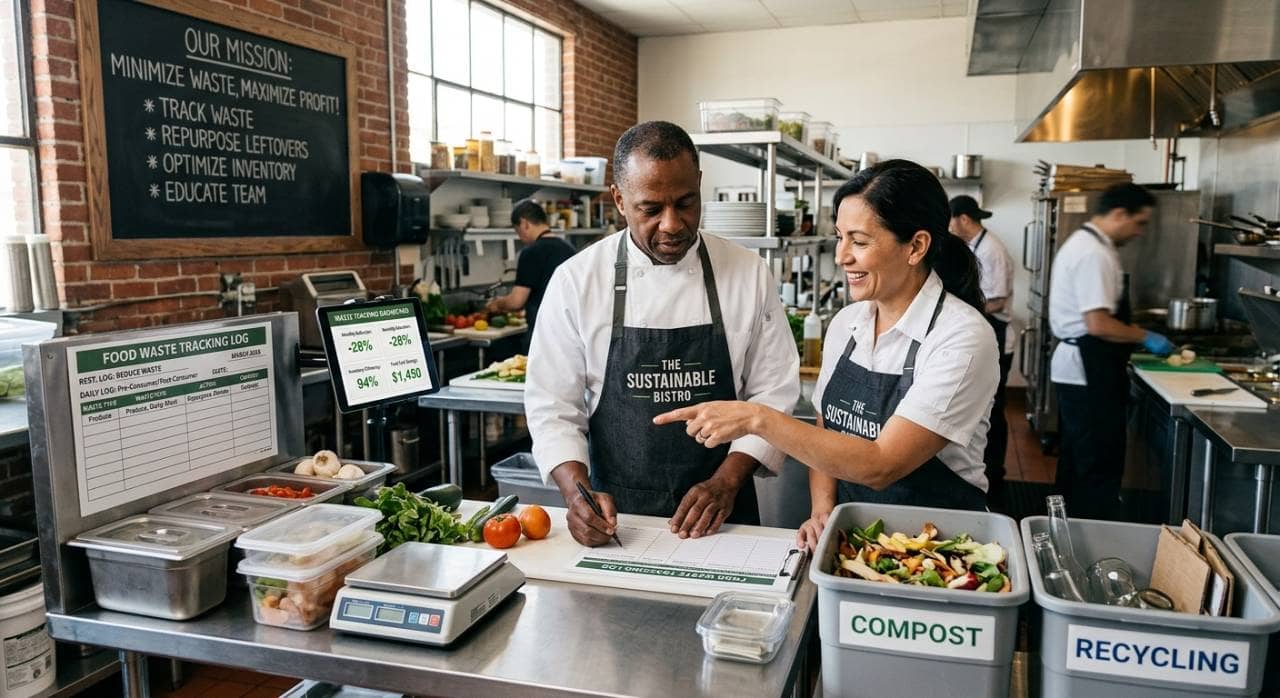
Learn how to reduce food waste in restaurants through smarter purchasing, storage, preparation, and service strategies that cut costs.
Sep 9, 2026
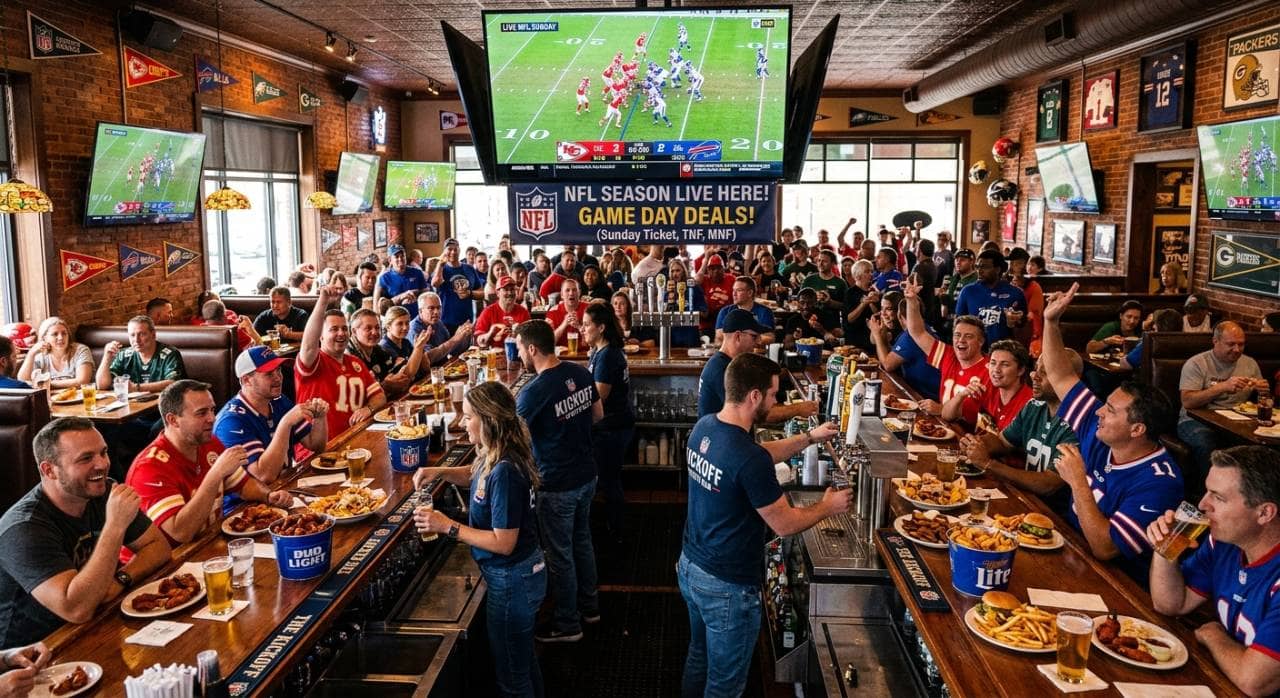
Prepare your restaurant for NFL season with smart menu planning, staffing, marketing, technology, and atmosphere strategies that boost season-long revenue.
Sep 9, 2026
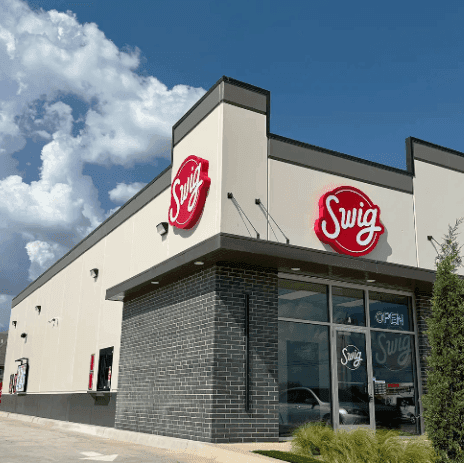
Swig signs franchise agreement for 11 South Denver locations, marking Colorado entry and validating its national expansion strategy.
Sep 8, 2026

Unlock Exclusive Access To Webinars, Events, And The Latest News For Free!
Explore the accelerated adoption of kiosks in the QSR and fast casual chains industry, the benefits they offer, and how they enhance customer experience and drive sales

Photo by Harley-Davidson

Photo by Harley-Davidson
The adoption of kiosks in Quick-Service Restaurants (QSRs) and fast casual chains has witnessed a significant surge in recent years due to the numerous advantages they offer. Primarily, kiosks streamline the ordering process, reducing wait times and enhancing operational efficiency. By automating the ordering and payment procedures, kiosks free up labor resources, enabling staff to focus on more critical tasks, such as food preparation and customer service.

Photo by Harley-Davidson
One of the key drivers behind the accelerated adoption of kiosks is their ability to enhance the overall customer experience. Kiosks provide a personalized and interactive ordering experience, allowing customers to explore the menu at their own pace, customize their orders, and discover new items. This customization feature not only improves customer satisfaction but also leads to higher average ticket sizes. Studies have shown that customers using kiosks are more likely to make additional purchases and upsizes compared to traditional ordering methods.

Photo by Harley-Davidson
Kiosks play a crucial role in enabling upselling opportunities for QSRs and fast casual chains. By leveraging data collected through kiosk interactions, restaurants can customize recommendations based on customer preferences, past orders, and regional trends. This personalized approach not only increases the chances of upselling but also fosters customer loyalty by creating tailored experiences. Moreover, kiosks can promote impulse buying by showcasing relevant add-ons or complementary items during the ordering process.
Photo by Harley-Davidson
Consumer attitudes towards kiosk usage have shown a positive trend, with a growing number of individuals expressing comfort and acceptance towards in-store kiosks. Reports indicate that the majority of consumers find kiosks convenient, efficient, and enjoyable to use. As technology continues to evolve, the integration of features like facial recognition and AI-driven recommendations will further enhance the kiosk experience, driving more digital interactions and transforming the way customers interact with QSRs and fast casual chains.