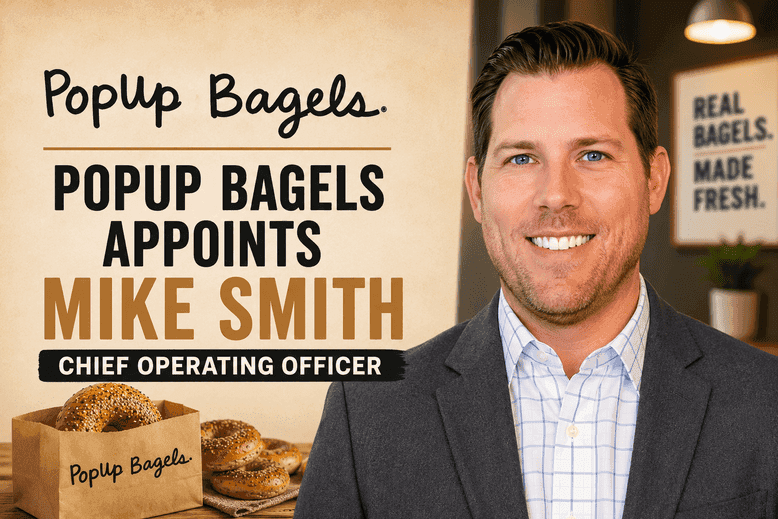
PopUp Bagels Names Mike Smith COO
PopUp Bagels welcomes industry veteran Mike Smith as Chief Operating Officer to lead their next phase of growth, putting quality and guest experience at the forefront.
news
Jul 28, 2026
PopUp Bagels welcomes industry veteran Mike Smith as Chief Operating Officer to lead their next phase of growth, putting quality and guest experience at the forefront.
Jul 28, 2026
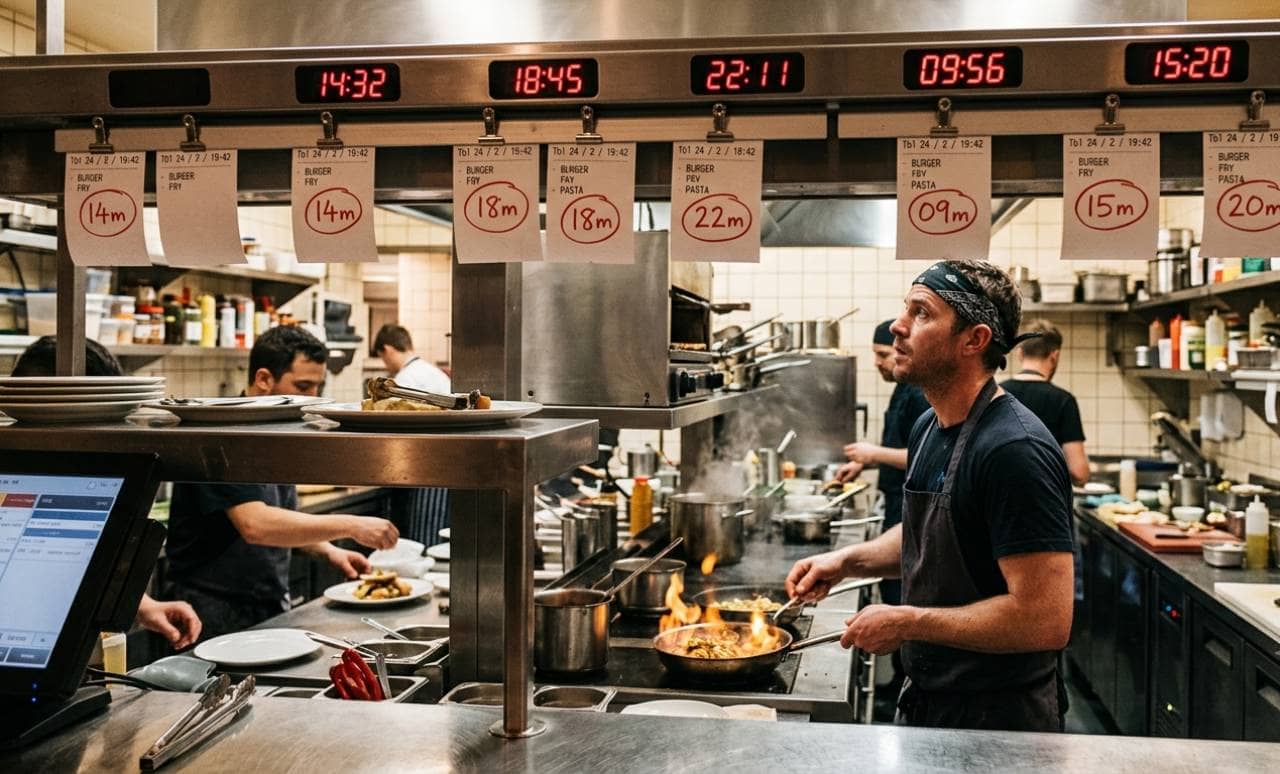
Improve kitchen ticket times with practical strategies for better preparation, smoother workflows, stronger communication, smarter staffing, and effective restaurant technology.
Jul 27, 2026
TGI Fridays emerges from Chapter 11 bankruptcy under new ownership, focused on growth and stability. Discover what's next for the iconic chain and its global operations.
Jul 28, 2026
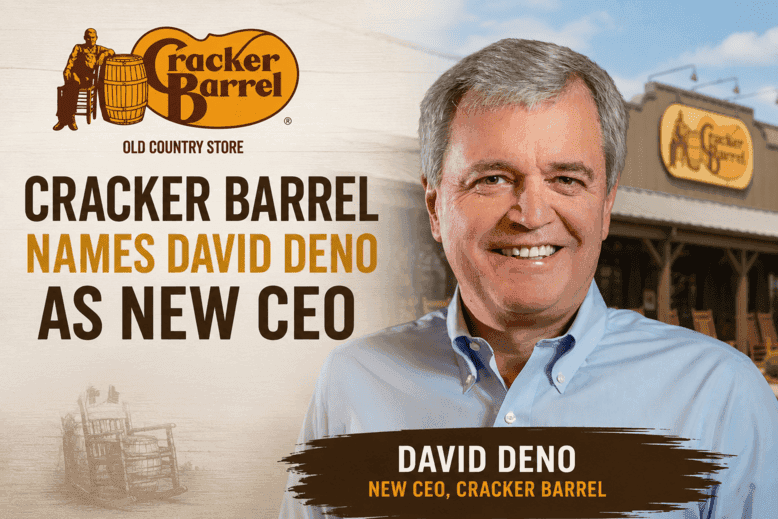
Veteran restaurant executive David Deno assumes the helm at Cracker Barrel, signaling a pivotal moment for the brand’s revitalization. Learn what this means for operators, staff, and industry leaders.
Jul 27, 2026
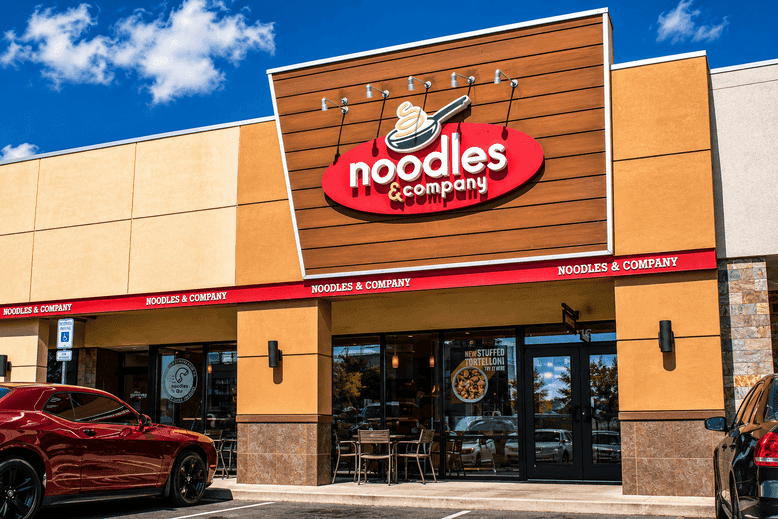
Noodles & Company achieves historic sales growth and operational turnaround in 2026, sharing critical lessons for restaurant owners on boosting traffic, innovation, and team culture.
Jul 27, 2026

Learn how restaurant owners can manage payroll accurately, track labor costs, reduce errors, maintain compliance, and improve workforce profitability efficiently.
Jul 27, 2026
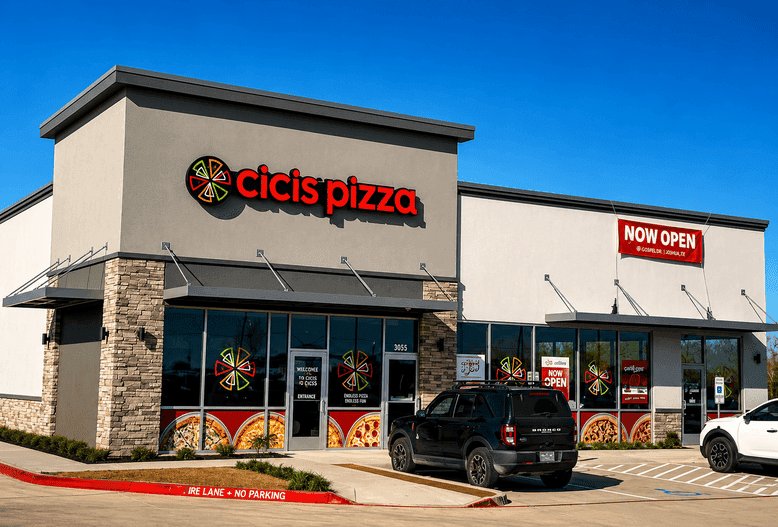
Cicis Pizza’s systemwide sales have surged over 50%, fueled by digital innovation, modern operations, and a revamped franchise strategy. Learn what restaurant owners can take away from Cicis’ transformation.
Jul 24, 2026
Stay compliant with key restaurant labor regulations in Summer 2026, including minimum wage increases, scheduling laws, and retirement requirements.
Jul 24, 2026
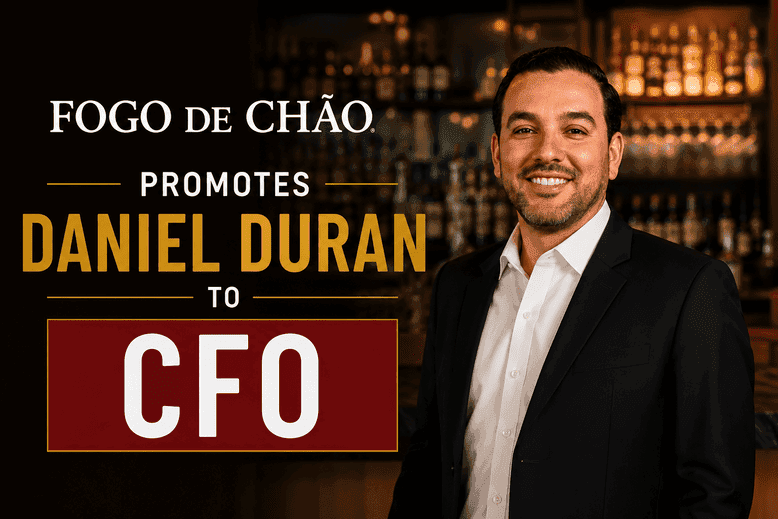
Fogo de Chão has announced Daniel Duran as its new CFO, marking a strategic leadership transition designed to enhance global growth and financial innovation for the renowned restaurant brand.
Jul 24, 2026

Learn how to calculate, benchmark, track, and improve restaurant payroll percentage while balancing staffing costs, sales, service, and profitability effectively.
Jul 24, 2026
Explore the legal dispute between Uber and DoorDash over first-party delivery partnerships and the impact on restaurants in the competitive food delivery market.
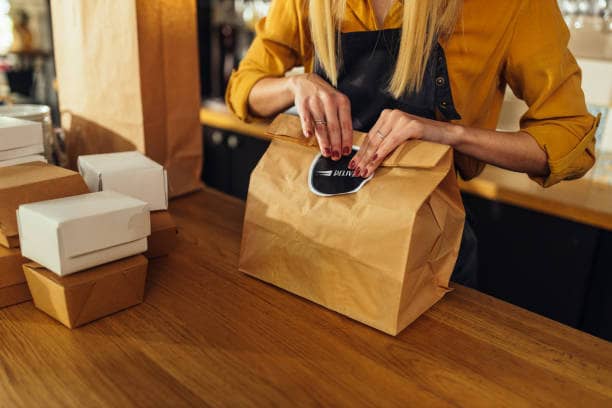
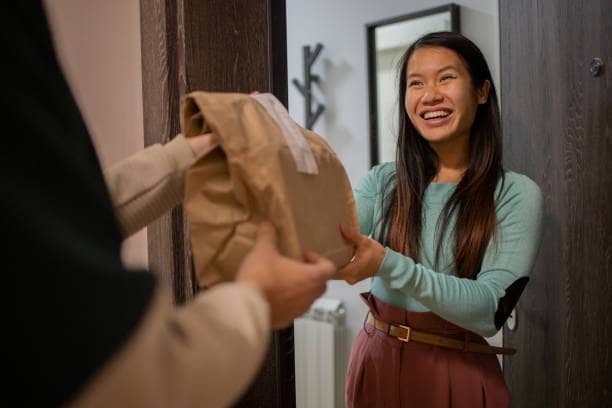
The clash between industry giants Uber and DoorDash has taken a legal turn with Uber accusing DoorDash of unlawfully limiting its growth in the first-party delivery market. The lawsuit sheds light on the intense competition in the food delivery industry and the strategies companies employ to secure partnerships with restaurants.
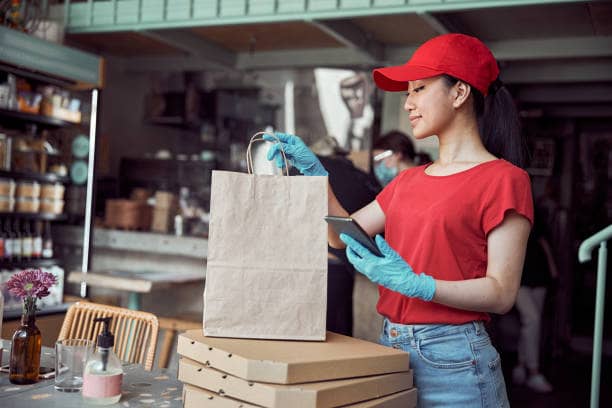
Uber and DoorDash provide white-label solutions that enable restaurants to accept delivery orders directly from their platforms. This capability empowers restaurants to gather valuable customer data, understand ordering patterns, and offer a personalized experience. Many eateries leverage a mix of first-party and third-party delivery services to cater to a wider customer base.

According to Uber's claims, DoorDash dominates over 50% of all third-party deliveries in the U.S. While DoorDash holds a significant market share, Uber asserts itself as the largest first-party delivery provider, partnering with over 90% of major restaurant brands. This fierce competition leads to innovative solutions but also raises concerns about market monopolization.
The lawsuit highlights the challenges faced by restaurants wanting to work with multiple first-party delivery providers. DoorDash's alleged tactics of restricting co-preferred partnerships and threatening higher fees create a dilemma for eateries that strive to enhance customer satisfaction through faster delivery and better service.
The legal dispute between Uber and DoorDash not only affects the companies involved but also impacts the end customers. By restricting restaurants' freedom to choose delivery partners, the lawsuit suggests potential negative consequences on delivery speeds, pricing, and overall customer satisfaction, emphasizing the importance of a balanced competitive landscape in the delivery market.

DoorDash refutes all accusations made by Uber, claiming the case lacks merit and is a result of Uber's inability to provide a competitive alternative. This back-and-forth underscores the complex dynamics and fierce competition within the food delivery ecosystem, with both companies vying for market dominance and restaurant partnerships.