True Food Kitchen Files Bankruptcy, Closes 12 Sites
True Food Kitchen filed for Chapter 11 bankruptcy, closing 12 locations and shrinking to 34 restaurants across 14 states amid $42.1 million in debt.
News
Oct 5, 2026
True Food Kitchen filed for Chapter 11 bankruptcy, closing 12 locations and shrinking to 34 restaurants across 14 states amid $42.1 million in debt.
Oct 5, 2026

Snooze Eatery names industry veteran Amy Hom as COO, starting Sept. 28, to strengthen hospitality and operations ahead of its next growth phase.
Oct 5, 2026

Evaluate restaurant industry performance in Q3 2026 through key trends affecting restaurant sales, traffic, consumer spending, labor, costs, and technology.
Oct 2, 2026
Improve restaurant visibility with local SEO by optimizing Google Business Profile, targeting local keywords, managing reviews, and maintaining accurate online information.
Oct 5, 2026

Opening a second restaurant location requires readiness, clear goals, financial planning, funding, smart strategy, standardized operations, strong teams, and careful launch monitoring for sustainable growth.
Sep 30, 2026
Restaurants can control operating costs by tracking food, labor, rent, utilities, technology, marketing, and other expenses against sales.
Oct 5, 2026
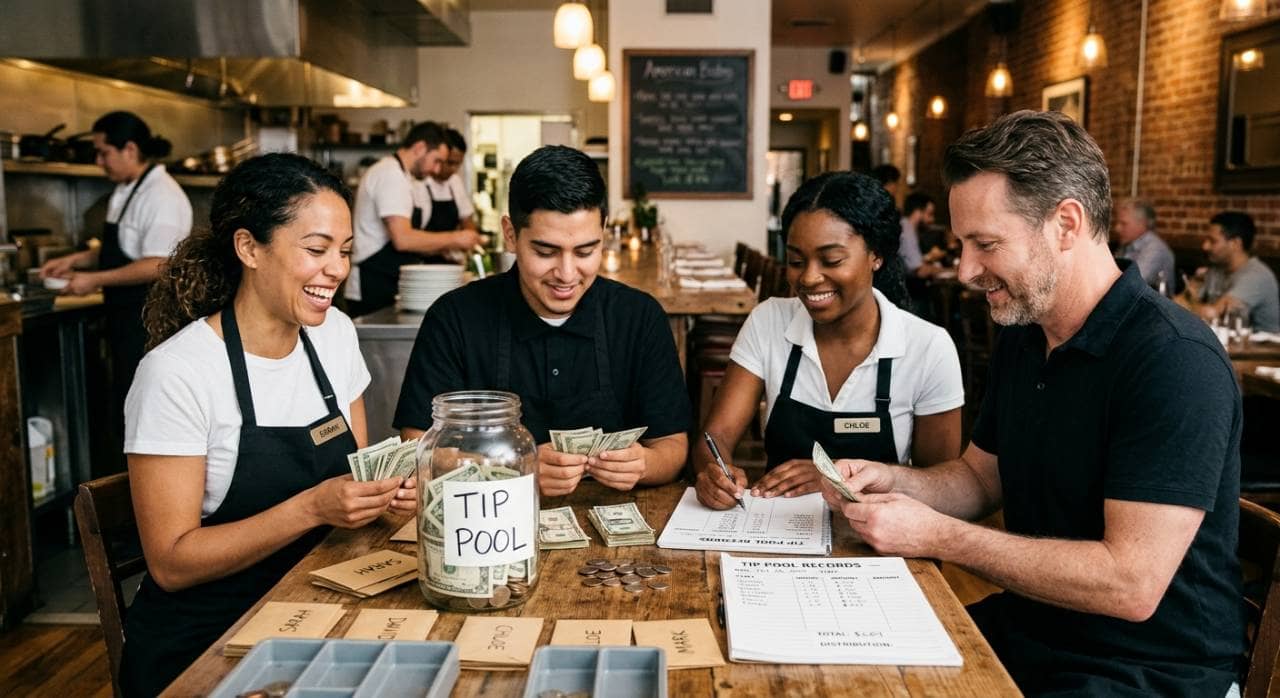
Understand tip pooling rules, employee eligibility, distribution methods, compliance requirements, recordkeeping practices, and policies restaurant owners need for proper tip management.
Oct 2, 2026

Whit's Frozen Custard hires industry veteran Amos Durbin as COO to guide franchise expansion, drawing on two decades of restaurant leadership experience.
Oct 2, 2026
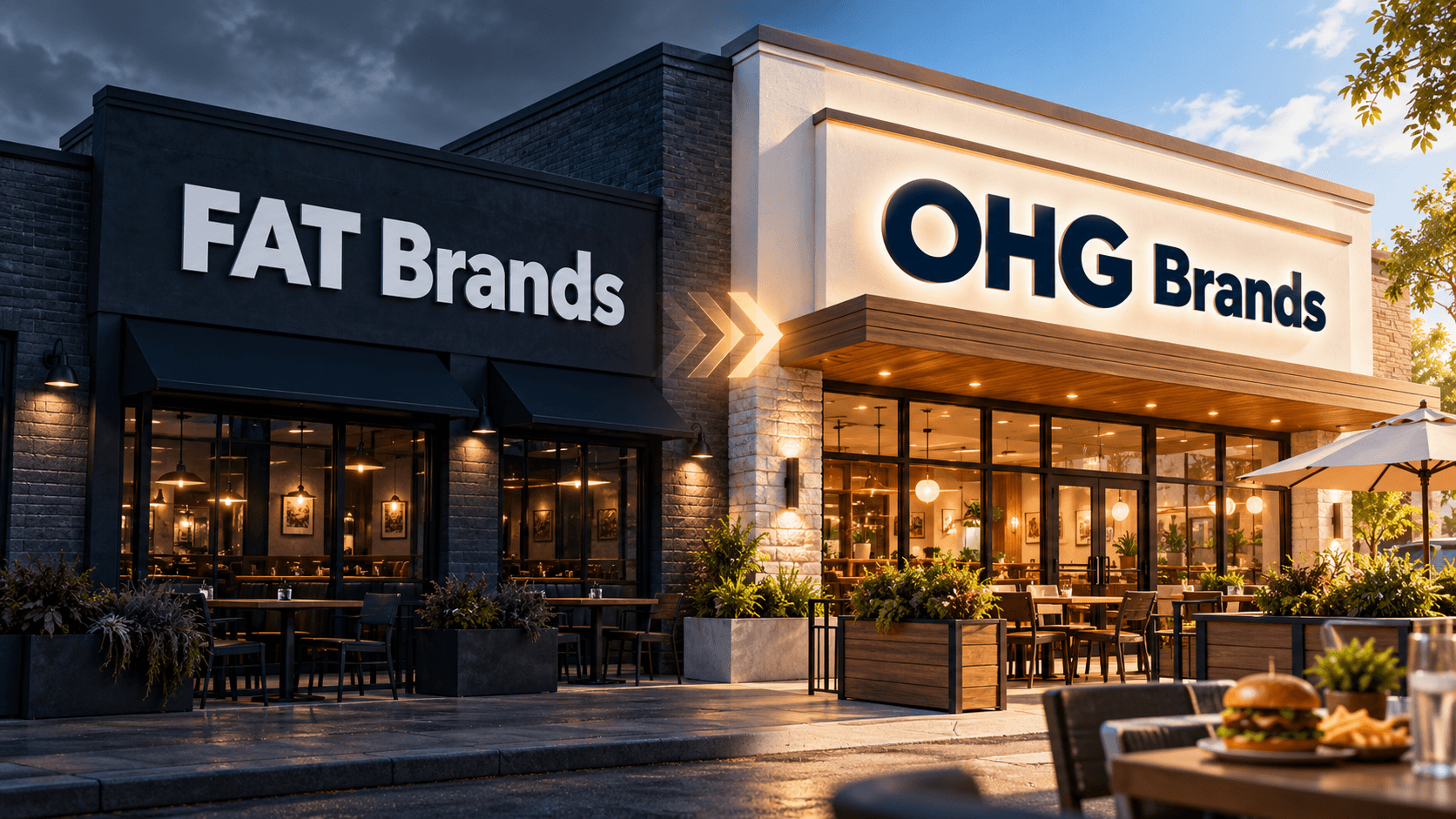
FAT Brands' $1B acquisition empire fell into bankruptcy and sold for $965M, re-emerging as OHG Brands with 1,700 restaurants.
Oct 1, 2026
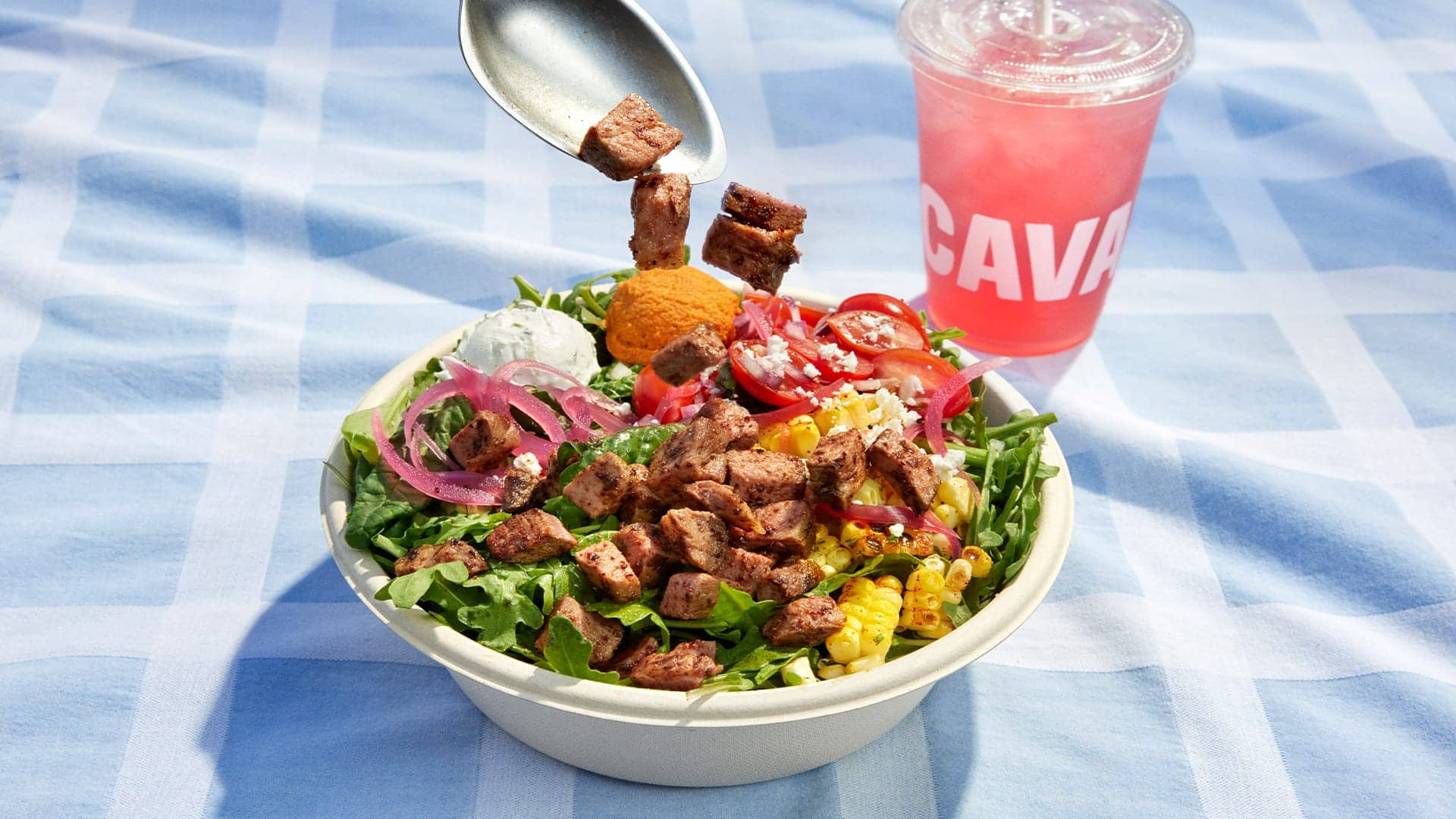
CAVA names John Ludeke, former Dr. Squatch Chief Brand Officer, as its new CMO to drive national growth and guest loyalty.
Oct 1, 2026

Unlock Exclusive Access To Webinars, Events, And The Latest News For Free!
Discover the importance of elevated restaurant service in creating value for customers, enhancing the dining experience, and driving business growth.

Photo by Lefteris kallergis
As dining out continues to be perceived as a luxury due to escalating prices, providing elevated service has become paramount for restaurants to demonstrate value to their customers. According to experts, the perception of dining out is a value proposition wherein customers expect more in return for the increased amount they are spending on meals compared to previous years.
A great restaurant trip is not just about the food; it encompasses the entire customer journey from the moment they step in until they leave. Employees play a pivotal role in enhancing every aspect of the dining experience. From the preparation of meals to ensuring accurate and prompt order fulfillment and addressing any issues that may arise, the staff's performance significantly impacts the overall satisfaction of diners.
The power of a well-trained and dedicated waitstaff cannot be overstated in the realm of customer satisfaction. Leading restaurant chains, such as Texas Roadhouse and LongHorn Steakhouse, have excelled in customer satisfaction due to their heavy investments in employee training. Studies show that employees who are better trained and treated tend to stay with their employers for longer durations and are more likely to provide superior service, resulting in elevated customer experiences.
Employee satisfaction directly correlates with customer satisfaction in the restaurant industry. Happy employees are more engaged, motivated, and likely to deliver exceptional service, leading to increased customer loyalty and positive word-of-mouth recommendations. Investing in employee well-being and training not only benefits the staff but also yields significant returns in terms of customer retention and business growth.

Photo by Lefteris kallergis