California Penalizes Dickey's for Franchise Disclosure Violations
California shifts to public enforcement strategy against Dickey's for deceptive franchise disclosures, signaling stricter state-level franchise oversight.
Sep 10, 2026
California shifts to public enforcement strategy against Dickey's for deceptive franchise disclosures, signaling stricter state-level franchise oversight.
Sep 10, 2026
Paul Brown temporarily steps away from Inspire Brands as Scott Murphy assumes interim CEO role during confidential IPO filing process targeting late 2026.
Sep 10, 2026
Prepare your restaurant for NFL season with smart menu planning, staffing, marketing, technology, and atmosphere strategies that boost season-long revenue.
Sep 9, 2026
Learn how to reduce food waste in restaurants through smarter purchasing, storage, preparation, and service strategies that cut costs.
Sep 9, 2026
Swig signs franchise agreement for 11 South Denver locations, marking Colorado entry and validating its national expansion strategy.
Sep 8, 2026
QR code menus let restaurants replace paper menus digitally, enabling instant updates, contactless browsing, ordering, and payment through simple smartphone scanning.
Sep 7, 2026
Complete guide helping restaurant owners choose essential kitchen equipment - covering cooking, refrigeration, prep, sanitation, ventilation, safety, and long-term maintenance planning.
Sep 7, 2026
Avoiding common restaurant payroll mistakes - misclassification, tip credit errors, overtime miscalculations - protects businesses from costly penalties, back pay, and compliance risks.
Sep 4, 2026
Learn to calculate par levels for restaurant food, beverages, and packaging inventory, preventing stockouts and waste through proper formulas.
Sep 4, 2026
Caribou Coffee appoints Zane Thomas-Rogers as Chief Operations Officer to strengthen execution across its expanding coffeehouse network.
Sep 4, 2026
Unlock Exclusive Access To Webinars, Events, And The Latest News For Free!
Restaurants can prepare for FIFA Quarter Finals by planning menus, staffing, promotions, inventory, and guest retention to increase match-day sales.

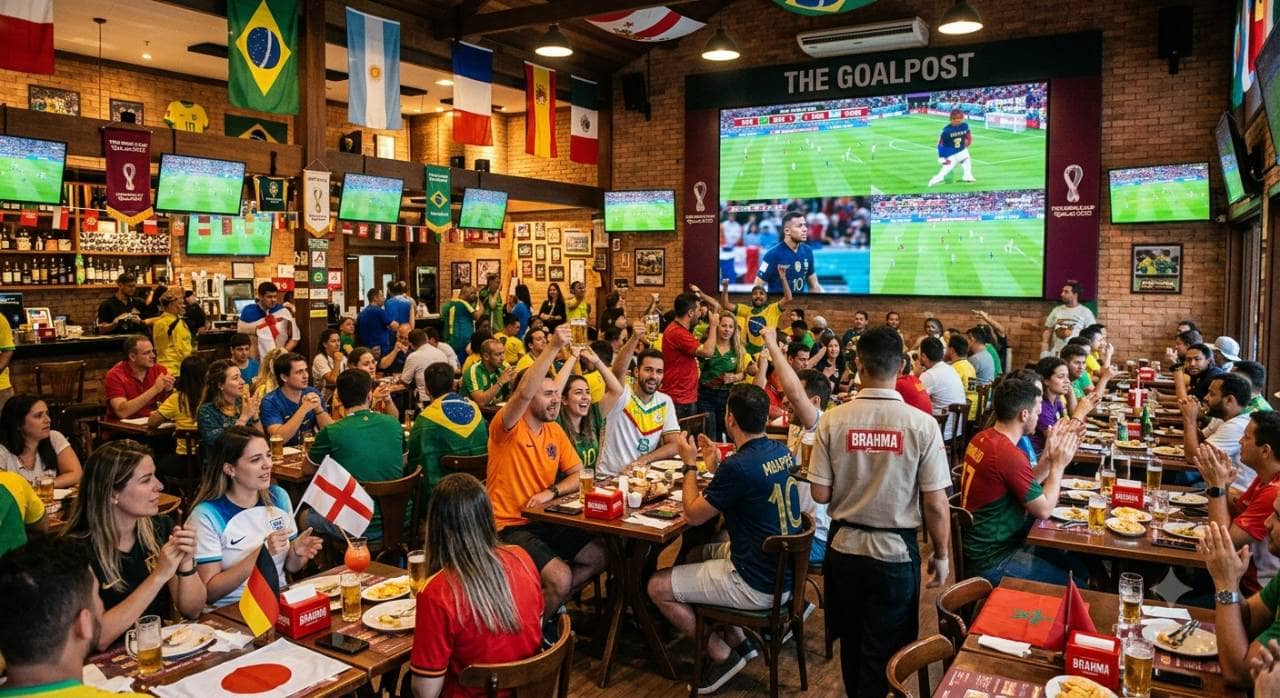
The FIFA Quarter Finals can be a major opportunity for restaurants because the stakes are higher than earlier World Cup matches. Only a few teams remain, every game decides who moves closer to the final, and fans are more likely to watch live with friends, family, or coworkers. That excitement can turn a regular lunch, happy hour, or dinner shift into a busy game-day event. Guests are not only choosing where to eat. They are choosing where to watch, cheer, and enjoy the atmosphere. Restaurants with clear screens, good sound, fast service, group seating, shareable food, and drink specials have a stronger chance of attracting fans. The biggest sales opportunity comes from groups. A table may order wings, fries, burgers, pizza, beer buckets, cocktails, desserts, and extra rounds during halftime or after the match. A strong quarter-final experience can also bring guests back for the semifinals and final.
Restaurants should start quarter-final planning by reviewing the match schedule, kickoff times, expected fan interest, and how each game fits into normal business hours. The FIFA Quarter Finals can create different demand patterns depending on when the matches are played. A match during lunch may increase takeout, delivery, and quick dine-in traffic. A late afternoon match may affect happy hour. An evening match may turn into a full dinner rush with larger groups, longer table times, and higher drink sales. The key is to plan around demand before it happens. If a restaurant waits until match day, it may not have enough staff, inventory, seating, or promotional material ready. Owners should look at each quarter-final match and ask practical questions. Which teams are playing? Does the local community have strong support for either team? Will customers arrive early to get seats? Will there be a halftime rush? Will the kitchen need a smaller game-day menu to keep service fast? For example, if a match starts at 5 p.m., customers may begin arriving at 4 p.m. to secure tables. That means the restaurant needs hosts, servers, bartenders, and kitchen staff ready before kickoff, not after the rush begins. If another match starts later in the evening, the restaurant may need to prepare for a longer guest stay, because fans may remain through extra time, penalties, and post-match celebrations.

A strong game-day menu can help restaurants serve more customers during the FIFA Quarter Finals without overwhelming the kitchen. During major matches, customers often order in groups, arrive close to kickoff, and expect food quickly. If the menu is too large or complicated, ticket times can increase, servers can fall behind, and guests may order less because service feels slow. Owners should review sales data from recent busy shifts, weekends, happy hours, and sports events. Look at which appetizers, entrees, sides, desserts, and drinks sell the most during high-traffic periods. Then compare those items against food cost, prep time, labor needs, and kitchen capacity. A menu item that sells well but slows down the kitchen may not be the best fit for a packed match day. A strong FIFA Quarter Finals menu can focus on four key areas - 1. Shareable appetizers - Wings, fries, nachos, sliders, flatbreads, mozzarella sticks, tacos, chips and dip, and sampler platters can increase table spending because groups can order several items together. 2. High-margin bundles - Combos such as burgers with fries, pizza with drinks, taco trays, wing platters, or family packs can make ordering easier and help increase average check size. 3. Fast-prep items - Items that use existing ingredients, require fewer steps, and can be prepared in batches help the kitchen protect speed during kickoff, halftime, and post-match rushes. 4. Takeout-friendly meals - Party trays, family bundles, boxed meals, and delivery-friendly items can help restaurants capture customers who want to watch the match at home. Every item on the game-day menu should have a clear price, portion size, prep process, and expected margin. Restaurants should also prepare the kitchen with enough prepped ingredients, sauces, packaging, and backup supplies before the match begins. When the menu is built around speed, simplicity, and profitability, the restaurant can serve more guests, reduce mistakes, and turn quarter-final traffic into stronger sales.
Quarter-final promotions should feel like an event, not a random discount. At this stage of the World Cup, fans are not only choosing where to eat. They are choosing where to watch, cheer, celebrate, and spend time with other people. That gives restaurants a chance to package the match-day experience in a way that feels easy, social, and worth planning ahead for. A good promotion starts with one question - what do guests need to enjoy the match without thinking too much? For many groups, the answer is simple seating, fast food, cold drinks, shareable items, and a clear offer they can understand in seconds. Complicated discounts can slow down ordering and confuse staff. Simple offers such as "Game-Day Wing Platter," "Quarter-Final Pizza Bundle," or "Table for Four Match Package" are easier to promote and easier to sell. Restaurants can also use promotions to shape customer behavior. A pre-kickoff offer can encourage guests to arrive early instead of walking in all at once. A halftime bundle can create a second ordering moment. A post-match dessert, drink, or bounce-back offer can keep the table engaged after the final whistle. Instead of discounting everything, owners can use timing to increase sales during the most important parts of the match. The strongest promotion ideas usually fall into a few practical categories - 1. Group packages - Build offers around tables, not individuals. Examples include appetizer boards, wing trays, taco platters, pizza bundles, burger boxes, or family-style meals. 2. Reserved seating offers - Let groups book tables in advance with a minimum spend, food package, or deposit. This helps owners estimate demand before match day. 3. Halftime add-ons - Promote quick items such as fries, sliders, nachos, desserts, or drink refills during halftime when customers are ready to order again. 4. Team-inspired specials - Use team colors, country flavors, or match-themed names to make the menu feel more exciting without creating a complicated new operation. 5. Next-match incentives - Give guests a reason to return for the semifinals or final with a coupon, loyalty reward, QR code signup, or limited-time offer. The key is to make every promotion profitable and easy to execute. Each offer should have a set price, portion size, time window, and clear rules for staff. When promotions are built around how fans actually watch the game, restaurants can bring in bigger groups, increase average checks, and create a quarter-final experience customers remember.
Staffing can make or break a FIFA Quarter Finals match day. A restaurant may have the right menu, strong promotions, and a full dining room, but if the team is not prepared for sudden traffic, the experience can quickly fall apart. Guests may wait too long for tables, drinks may back up at the bar, food may sit in the kitchen window, and servers may struggle to keep up with large groups. The challenge is that match-day traffic does not always behave like a normal shift. Fans may arrive 60 to 90 minutes before kickoff to get good seats. Orders may spike just before the game starts. Halftime can create another rush for drinks, appetizers, desserts, and refills. If the match goes into extra time or penalties, customers may stay longer than expected, which can reduce table turnover and extend labor needs. Restaurant owners should review past sales and labor data before building the schedule. Look at busy sports nights, weekends, happy hours, and special events. Compare guest counts, order volume, labor hours, sales per labor hour, ticket times, and overtime. This helps managers understand how many employees are needed before, during, and after the match. A strong quarter-final staffing plan should cover these key areas - 1. Front-of-house coverage - Schedule enough hosts, servers, runners, bussers, and managers to handle early arrivals, group seating, table resets, and guest questions. 2. Bar support - If drink sales are expected to rise, add bartenders, barbacks, or servers who can help with beer buckets, pitchers, cocktails, mocktails, and refills. 3. Kitchen speed - Prepare cooks, prep staff, and expediters for high-volume items such as wings, fries, burgers, pizza, tacos, sliders, and platters. 4. Takeout and delivery volume - Assign staff to manage online orders, phone orders, packaging, pickup shelves, delivery drivers, and customer communication. 5. Shift timing - Bring employees in before the rush begins. A match that starts at 5 p.m. may need extra coverage by 3.30 or 4 p.m., not after kickoff. Managers should also prepare the team before the match begins. Staff should know the promotions, menu limits, reservation rules, table time expectations, and how to handle large groups. When employees understand the plan, service feels smoother and guests are more likely to stay, order more, and return for the next match.

Inventory planning is one of the most important parts of preparing for the FIFA Quarter Finals because match-day demand can move faster than a normal shift. A restaurant may be able to handle a busy dining room, but if it runs out of wings, fries, beer, sauces, cups, napkins, or takeout packaging, sales can be lost immediately. During a major match, customers are less patient with unavailable items because they want to order quickly and get back to watching the game. Restaurant owners should start by reviewing sales data from similar high-traffic periods. Look at weekends, happy hours, sports events, catering orders, and previous World Cup matches. Compare how many appetizers, drinks, shareable meals, desserts, and takeout bundles were sold during those shifts. This helps owners estimate which items are most likely to spike during the quarter finals. The most important inventory categories usually include - 1. Shareable food items - Wings, fries, nachos, sliders, pizza, tacos, burgers, flatbreads, dips, and appetizer platters often sell well because groups can order them for the table. 2. Beverages - Beer, soda, iced tea, lemonade, cocktails, mocktail ingredients, bottled drinks, mixers, garnishes, and ice should be checked before every match. 3. Sauces and sides - Ranch, ketchup, hot sauce, salsa, cheese sauce, fries, chips, pickles, coleslaw, and other add-ons can run out quickly when appetizer sales increase. 4. Takeout and delivery supplies - Boxes, bags, cups, lids, napkins, utensils, stickers, labels, containers, and delivery packaging are essential if customers order party packs or family bundles. 5. Bar and service supplies - Glassware, straws, coasters, receipt paper, cleaning supplies, and backup POS materials should be ready before traffic builds. Owners should also build a small buffer for the items most connected to match-day promotions. If the restaurant is advertising wing platters, beer buckets, pizza bundles, or taco trays, those ingredients should be prioritized in ordering and prep. Running out of a promoted item can frustrate guests and weaken trust. A strong inventory plan should include par levels, prep counts, vendor delivery timing, backup suppliers, and manager approval for emergency purchases. When inventory is planned before kickoff, restaurants can reduce stockouts, protect revenue, and keep the match-day experience running smoothly.
Promotion should begin before customers start making match-day plans. Many fans decide where to watch important games several days in advance, especially when they are coming with a group. If a restaurant waits until the day of the FIFA Quarter Finals to post about specials, reservations, or watch parties, it may miss customers who already picked another place. The first step is to make the offer clear. Customers should quickly understand the match time, seating options, food specials, drink specials, reservation rules, and whether takeout or delivery bundles are available. A simple message such as "Watch the Quarter Finals Here," "Reserve Your Table for the Match," or "Game-Day Platters Available for Pre-Order" can be more effective than a complicated post with too many details. Social media is one of the easiest ways to build attention before the match. Restaurants can post countdowns, team-themed menu items, behind-the-scenes prep, staff predictions, table availability, drink specials, and short videos of the dining room setup. Stories and reels can work especially well because they create urgency and remind followers that the match is coming soon. Local channels also matter. Restaurant owners should update their Google Business Profile with match-day hours, special events, and photos of the setup. In-store signage can remind current guests to come back for the next game. Email and SMS can be used to reach loyal customers with reservation links, pre-order options, or limited-time offers. Nearby offices, gyms, apartment buildings, hotels, and local groups may also be useful partners for spreading the word. A strong promotion plan should include - 1. Social media posts - Share match times, specials, table availability, and watch party details on Instagram, Facebook, TikTok, and other active channels. 2. Google Business Profile updates - Add event details, photos, hours, and posts so customers searching nearby can see that the restaurant is showing the match. 3. Email and SMS reminders - Send short messages to existing customers with reservation links, pre-order deadlines, and game-day offers. 4. In-store promotion - Use table tents, posters, receipt messages, QR codes, and server reminders to bring current guests back for the quarter finals. 5. Local outreach - Promote group packages to nearby businesses, residential communities, hotels, sports clubs, and fan groups. The message should be repeated more than once. A restaurant might post one week before the match, again two or three days before, and again on match day. Each message should point customers toward a specific action - reserve a table, order a party pack, arrive early, or bring a group. When promotion is clear, timely, and consistent, restaurants can turn World Cup interest into real foot traffic.
The FIFA Quarter Finals can bring new customers into a restaurant, but the bigger opportunity is what happens after the match. A guest may come in because of the World Cup, but a strong experience can bring them back for the semifinals, the final, another sports event, or a regular meal. This is why restaurants should think beyond one busy match day and use quarter-final traffic to build future visits. Repeat traffic starts with the experience itself. Guests are more likely to return when seating is organized, screens are easy to see, sound is clear, food arrives on time, drinks are consistent, and staff can handle the crowd without confusion. A customer may forgive a slightly longer wait during a major event, but they are less likely to return if the restaurant feels unprepared. Restaurant owners should also give guests a clear reason to come back. This can be done before they leave the table, while they are paying, or through a digital follow-up after the match. The goal is to make the next visit easy to understand and worth scheduling. A strong repeat-customer strategy can include - 1. Semifinal and final promotions - Give quarter-final guests a reason to return for the next stage with a limited-time food or drink offer. 2. Bounce-back coupons - Offer a discount, free appetizer, dessert, or loyalty reward that can be used on a future visit. 3. Email and SMS signups - Use QR codes, receipts, table tents, or server prompts to collect customer contact information for future promotions. 4. Loyalty program enrollment - Encourage guests to join a rewards program so the restaurant can keep them engaged after the World Cup. 5. Post-match offers - Promote late-night snacks, dessert specials, celebratory drinks, or take-home bundles after the final whistle. 6. Future event reminders - Let guests know the restaurant will also show the semifinals, final, league matches, rivalry games, and other major sports events. After the match, managers should review what worked. Look at sales, table counts, average check size, labor cost, inventory usage, online orders, reservation volume, and customer feedback. This helps the restaurant improve before the next big match. When restaurants treat the quarter finals as the start of a customer relationship, not just a one-day sales boost, they can turn World Cup excitement into repeat visits, stronger loyalty, and long-term revenue.