Jay Spongberg Named President, COO of WKS Restaurant Group
WKS Restaurant Group promotes Jay Spongberg to president and COO after he helped grow the company from 65 to 382 restaurants over 16 years.
News
Sep 23, 2026
WKS Restaurant Group promotes Jay Spongberg to president and COO after he helped grow the company from 65 to 382 restaurants over 16 years.
Sep 23, 2026

Smokey Mo's BBQ names Von Dawson, a Dine Brands veteran, as VP of Franchise Development to lead its Texas expansion strategy.
Sep 23, 2026
.png&w=3840&q=70)
Meritage Hospitality's Chapter 11 filing pulls 5% of Wendy's U.S. stores into bankruptcy, exposing cracks in franchising's bigger-is-safer bet.
Sep 21, 2026
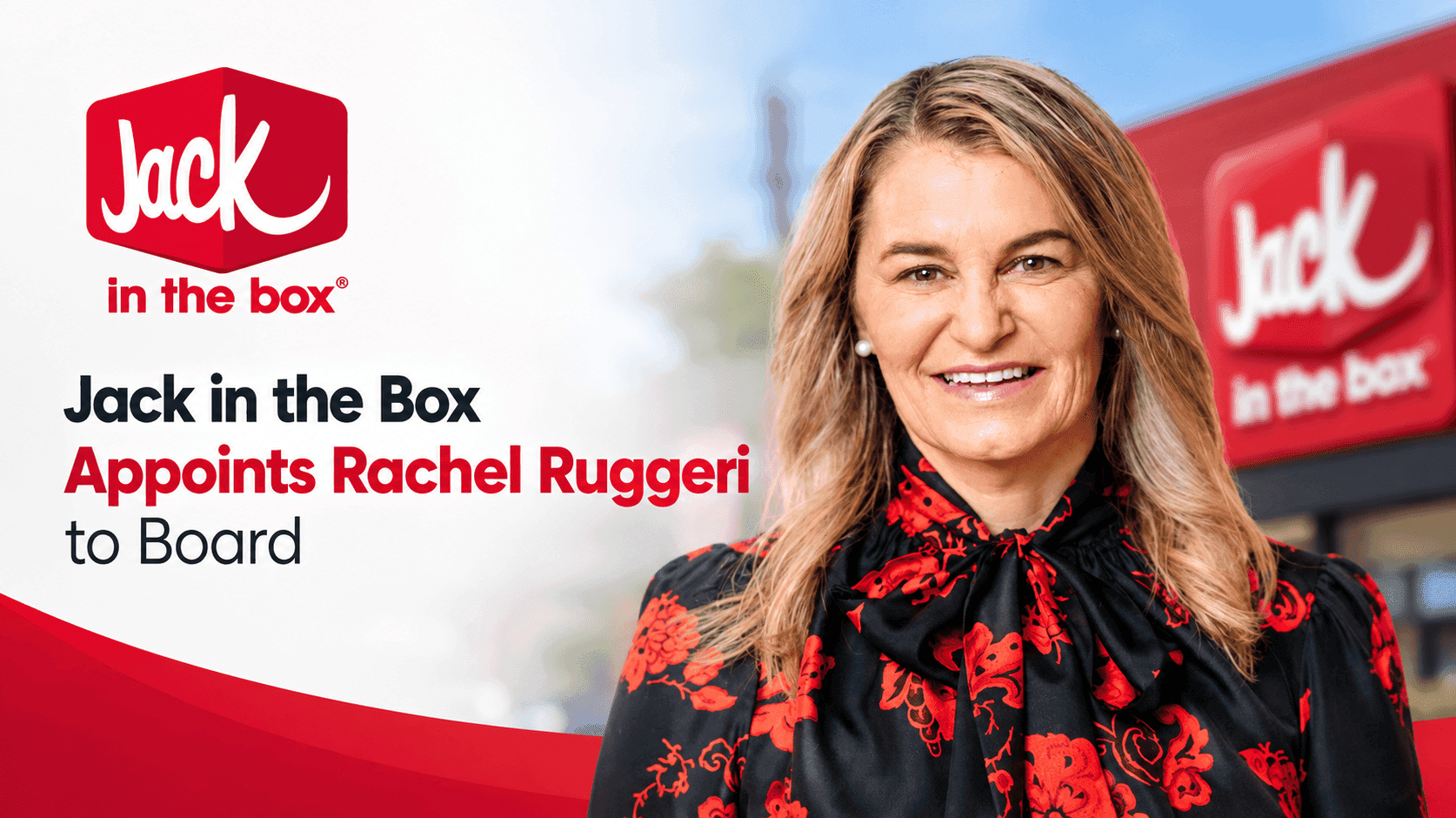
Jack in the Box names Rachel Ruggeri to its board as Michael Murphy retires, amid a CEO transition and deal with investor GreenWood.
Sep 21, 2026
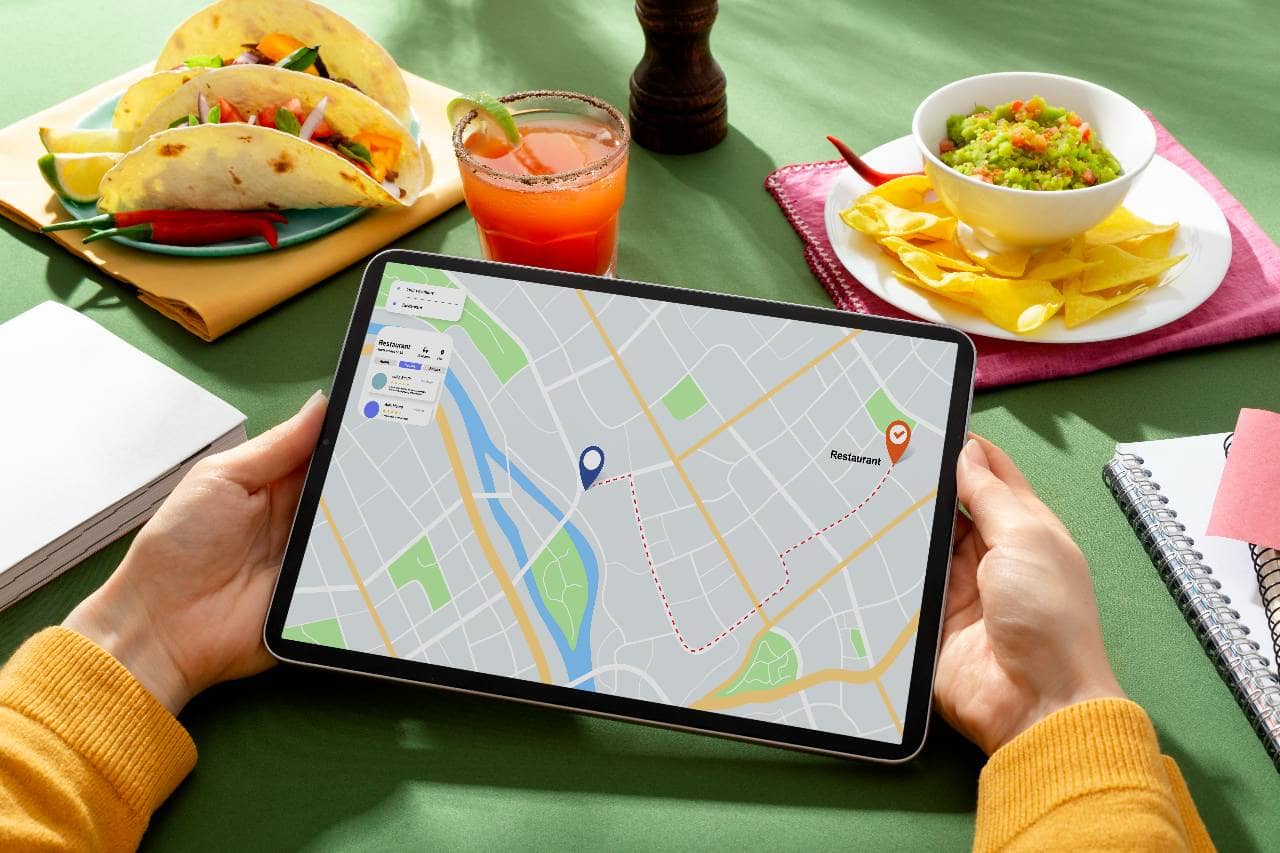
Improve restaurant Google Maps rankings by optimizing your business profile, selecting accurate categories, gathering reviews, adding photos, and strengthening local relevance signals.
Sep 21, 2026

Restaurant inventory tracking helps owners monitor stock, control food costs, reduce waste, improve purchasing, and make informed operational decisions.
Sep 21, 2026
Restaurant owners can significantly reduce restaurant costs by leveraging technology across inventory, labor, procurement, forecasting, and administrative operations for better profit margins.
Sep 18, 2026

Understand how to forecast restaurant revenue and expenses with methods for sales projection, cost scaling, fixed-cost planning, and risk buffering.
Sep 18, 2026

everbowl names Anna Gabele Brand President and Natalie Trzcinski COO, pulling both from Jack in the Box to guide its next growth phase.
Sep 18, 2026

Mountain Mike's Pizza hires Jack in the Box veteran Sheena Dougher as CMO to drive national growth while preserving its regional brand identity.
Sep 17, 2026

Unlock Exclusive Access To Webinars, Events, And The Latest News For Free!
Ranking for "restaurants near me" searches requires local SEO, strong reviews, mobile ordering, accurate profiles, and ongoing performance tracking improvements.

Google does not show restaurants randomly when someone searches restaurants near me. It tries to show the most useful local results based on what the customer is looking for, where they are searching from, and which restaurants appear trustworthy online. For restaurant owners, understanding this helps make SEO more practical. Google local results are mainly influenced by three factors - relevance, distance, and prominence. Relevance means how well your restaurant matches the customer's search. If someone searches for "Mexican restaurant near me," Google looks for restaurants that clearly show they serve Mexican food. This can come from your Google Business Profile category, website content, menu items, business description, reviews, photos, and other online listings. Distance means how close the restaurant is to the person searching. A restaurant does not always need to be the closest option, but location matters. This is why accurate address details, map pins, service areas, and location pages are important. If Google cannot clearly understand where your restaurant is located, it may be harder to appear for nearby searches. Prominence means how well-known and trusted your restaurant appears online. Google may look at review quantity, review quality, ratings, links, local mentions, directory listings, website authority, and overall online activity. A restaurant with many positive reviews, updated information, strong photos, and consistent listings can look more reliable than a competitor with incomplete details. For restaurant owners, the lesson is simple. Ranking for "restaurants near me" requires more than adding keywords to a website. Your restaurant needs accurate local information, a complete Google Business Profile, strong customer reviews, useful website pages, and consistent online visibility. The more confidence Google has in your restaurant, the more likely it is to show your business when nearby customers are ready to eat.
A Google Business Profile is one of the most important tools for ranking in "restaurants near me" searches because it gives Google the information it needs to understand, verify, and display your restaurant. When customers search locally, they often see the map pack before they see regular website results. That means your profile may be the first impression customers get before they visit your website, call, book a table, or place an order. For restaurant owners, an incomplete profile can cost real traffic. If a customer sees missing hours, no menu link, outdated photos, or unclear ordering options, they may choose another restaurant within seconds. Local search decisions are fast, and small details can affect whether a customer clicks or keeps scrolling. Start with the basic information. Your restaurant name, address, phone number, website, hours, cuisine category, menu link, reservation link, and ordering link should be accurate. Even one wrong detail can create friction. For example, if your profile says you close at 9 p.m. but your kitchen closes at 8.30 p.m., customers may arrive frustrated, leave a negative review, or stop trusting your listing. Photos also matter because restaurants are visual businesses. Customers want to see food, seating, atmosphere, parking, exterior signage, drinks, specials, and group dining space before they decide. A restaurant with 30 updated photos will usually look more active and trustworthy than one with only 3 old images. Restaurant owners should also use the business description and category fields carefully. A profile should clearly explain what the restaurant offers, such as dine-in, takeout, delivery, catering, brunch, happy hour, outdoor seating, private dining, or late-night food. These details help Google match the restaurant with more specific searches. A strong Google Business Profile should include - 1. Correct business name, address, and phone number 2. Primary and secondary restaurant categories 3. Updated operating hours and holiday hours 4. Menu, reservation, and online ordering links 5. High-quality food, dining room, exterior, and staff photos 6. Clear restaurant description with local and cuisine keywords 7. Attributes such as outdoor seating, delivery, takeout, or wheelchair access 8. Regular posts about offers, events, specials, and seasonal menu items The goal is to make the profile complete, accurate, and active. The more useful information Google and customers can see, the easier it becomes for your restaurant to appear, earn trust, and convert "near me" searches into visits, calls, reservations, and online orders.
Using the right local restaurant keywords helps Google understand what your restaurant serves, where it is located, and which searches it should appear for. When customers search "restaurants near me," Google does not only look at distance. It also looks for signals that show your restaurant is relevant to the customer's intent. For restaurant owners, this means your website and online listings should clearly describe your cuisine, location, services, and popular menu items. A restaurant that only says "great food and friendly service" gives Google less useful information than a restaurant that mentions "Italian restaurant in downtown Chicago," "wood-fired pizza," "fresh pasta," "private dining," and "online ordering." Local keywords should match how real customers search. Some customers use broad searches like "restaurants near me" or "best restaurants near me." Others search with more detail, such as "Mexican restaurant near me," "brunch near me," "pizza delivery near me," "family restaurant in [city]," or "seafood restaurant near [neighborhood]." These longer searches may have lower search volume, but they often show stronger intent because the customer knows what they want. Restaurant owners should place local keywords naturally in important areas of the website, including page titles, headings, homepage copy, menu pages, location pages, image alt text, and meta descriptions. For example, instead of writing "We serve delicious food," a restaurant could write, "We serve fresh Mediterranean food in [city], with dine-in, takeout, catering, and online ordering." This gives both customers and Google more context. Strong local keyword examples include - 1. "Restaurants near me" 2. "Best restaurants in [city]" 3. "[Cuisine] restaurant near me" 4. "[Cuisine] restaurant in [neighborhood]" 5. "Lunch near [landmark]" 6. "Dinner restaurant in [city]" 7. "Takeout near me" 8. "Online ordering restaurant in [city]" The best keyword strategy is built around accuracy. If your restaurant serves brunch, mention brunch. If you offer catering, mention catering. If you are near a stadium, office district, hotel area, college campus, or shopping center, include that location context where it makes sense. Local SEO works best when Google can clearly connect your restaurant to the right customers. The more specific your keywords are, the easier it becomes to appear for searches that match your menu, location, and services.

Location pages help restaurants rank for local searches because they give Google and customers clear information about each physical restaurant location. A Google Business Profile is important, but your website also needs a dedicated page that explains where the restaurant is, what it offers, and why nearby customers should visit. For restaurant owners, this is especially important because many customers search with local intent. They may type phrases like "restaurants near me," "pizza in [city]," "brunch near [neighborhood]," or "best lunch near [landmark]." A strong location page helps your restaurant connect to these searches by including useful local details in one place. Each location page should include the restaurant's name, address, phone number, hours, menu link, ordering link, reservation option, photos, parking details, and directions. It should also mention nearby landmarks, neighborhoods, office areas, hotels, schools, shopping centers, or entertainment venues when they are relevant. These details help Google understand the restaurant's local area and help customers decide faster. For multi-location restaurants, each location should have its own page. Using one general page for every location can make it harder for Google to understand which restaurant should appear for each local search. Each page should have unique content, including location-specific photos, services, menu highlights, staff notes, local offers, and directions. A strong restaurant location page should include - 1. Restaurant name, address, and phone number 2. Updated hours and holiday hours 3. Menu, reservation, and online ordering links 4. Embedded Google Map 5. Driving, walking, and parking details 6. Nearby landmarks or neighborhoods 7. Location-specific photos 8. Customer reviews or testimonials 9. Local keywords in headings and page copy 10. Clear calls to action, such as "Order Online," "Book a Table," or "Get Directions" When customers land on the page, they should immediately know where the restaurant is, what they can order, when it is open, and how to take the next step. Good location pages also support conversions. A customer who finds the page through Google should not have to search again for the menu, phone number, directions, or ordering button. The easier the page is to use, the more likely local SEO traffic can turn into calls, reservations, online orders, and in-person visits.
Customer reviews play a major role in "restaurants near me" searches because they influence both visibility and trust. When someone is deciding where to eat, reviews are often one of the first things they check. A restaurant with strong ratings, recent reviews, and thoughtful responses can look more reliable than a nearby competitor with outdated or limited feedback. For restaurant owners, reviews matter because local search is built around quick decisions. A customer may compare three restaurants in less than a minute. They may look at the star rating, number of reviews, recent comments, food photos, and owner responses before choosing where to go. If your restaurant has strong review signals, it can increase the chance that the customer clicks, calls, gets directions, or places an order. Review volume is important because it shows activity. A restaurant with hundreds of reviews usually feels more established than one with only a few. Review freshness also matters. A restaurant that received several positive reviews this month may appear more active and trustworthy than one whose last review was from a year ago. The words customers use in reviews can also support local SEO. If guests mention phrases like "best pizza," "brunch spot," "family restaurant," "great tacos," "outdoor seating," or "fast takeout," those details help describe what the restaurant is known for. Restaurant owners should not force keywords into reviews, but they can encourage guests to leave honest, specific feedback. A simple review strategy should include - 1. Ask satisfied customers shortly after a good experience 2. Make the review link easy to access through receipts, emails, texts, or QR codes\ 3. Train staff to ask politely without pressuring guests 4. Respond to positive reviews with appreciation 5. Respond to negative reviews calmly and professionally 6. Look for repeated complaints that signal operational issues 7. Encourage specific feedback about food, service, atmosphere, and ordering 8. Keep review requests consistent instead of only asking during slow periods Negative reviews should not be ignored. A professional response can show future customers that the restaurant takes feedback seriously. The best response is brief, respectful, and focused on fixing the issue. Avoid arguing with the guest online, even if the review feels unfair. More positive, recent, and specific reviews can help your restaurant appear more trustworthy in local search results and make nearby customers more confident about choosing you.
Website speed and mobile experience matter because many "restaurants near me" searches happen when customers are already on their phones and ready to make a decision. They may be walking nearby, sitting in a car, comparing lunch options at work, or looking for a quick dinner choice. If your website loads slowly or makes it hard to find the menu, directions, phone number, or ordering button, that customer may leave and choose another restaurant. For restaurant owners, local SEO should not stop at getting clicks. The website also needs to turn those clicks into action. A customer who finds your restaurant on Google should be able to quickly answer four questions - What do you serve? Are you open? How do I get there? Can I order, call, or reserve now? Mobile design is especially important. A restaurant website may look good on a desktop computer, but most nearby customers are not searching from a desktop. They are using a mobile screen, which means the page should be simple, fast, and easy to tap. Menus should be readable without zooming. Buttons should be large enough to click. The phone number, address, hours, and order link should be easy to find. Online ordering also plays a major role. If a customer wants takeout or delivery, they should not have to search through several pages to place an order. A clear "Order Online" button can help turn local search traffic into direct revenue. This is especially valuable for restaurants that want to reduce dependence on third-party delivery platforms and keep more orders through their own website. A strong restaurant website should include - 1. Fast-loading pages 2. Mobile-friendly design 3. Easy-to-read digital menu 4. Click-to-call phone number 5. Clear address and directions 6. Visible "Order Online" button 7. Reservation or waitlist option 8. Updated hours and holiday hours 9. Simple navigation 10. Photos that load quickly without slowing the site Every extra step can lower the chance of getting the customer. When your website is fast, mobile-friendly, and easy to use, more "restaurants near me" searches can turn into calls, visits, reservations, and direct online orders.

Ranking for "restaurants near me" searches is not a one-time task. Local SEO needs regular tracking because customer behavior, competitors, reviews, search results, and restaurant information can change over time. A restaurant may rank well one month and lose visibility the next if competitors add new reviews, update photos, improve their websites, or become more active online. For restaurant owners, tracking performance helps turn SEO from guesswork into a business system. Instead of only asking, "Are we ranking on Google?" owners should look at what local search is actually producing. The most useful numbers are not just impressions or website visits. The real goal is to understand whether SEO is leading to calls, direction requests, reservations, online orders, and in-person traffic. Start with Google Business Profile insights. These can show how many people viewed the profile, clicked the website, requested directions, called the restaurant, or interacted with menu and ordering links. If direction requests are increasing, local visibility may be improving. If website clicks are high but orders are low, the website or ordering process may need work. Restaurant owners should also track website performance. Useful metrics include local keyword rankings, organic traffic, mobile traffic, menu page visits, location page visits, online orders, reservation clicks, and conversion rates. For example, if 1,000 people visit the website from local search and only 10 place an order, the conversion rate is 1%. Improving the menu layout, order button, page speed, or offer could help turn more traffic into revenue. Reviews should also be monitored every week. Track total reviews, average rating, review freshness, common complaints, and repeated positive comments. These patterns can show what customers value and where operations need improvement. A simple local SEO tracking plan should include - 1. Google Business Profile views 2. Website clicks from the profile 3. Phone calls 4. Direction requests 5. Online orders 6. Reservation clicks 7. Local keyword rankings 8. Menu and location page traffic 9. Review count and average rating 10. Top customer feedback themes Update hours, add new photos, publish menu changes, respond to reviews, refresh location pages, and improve the mobile ordering experience. The more consistently a restaurant improves its local presence, the better chance it has to stay visible when nearby customers search for a place to eat.