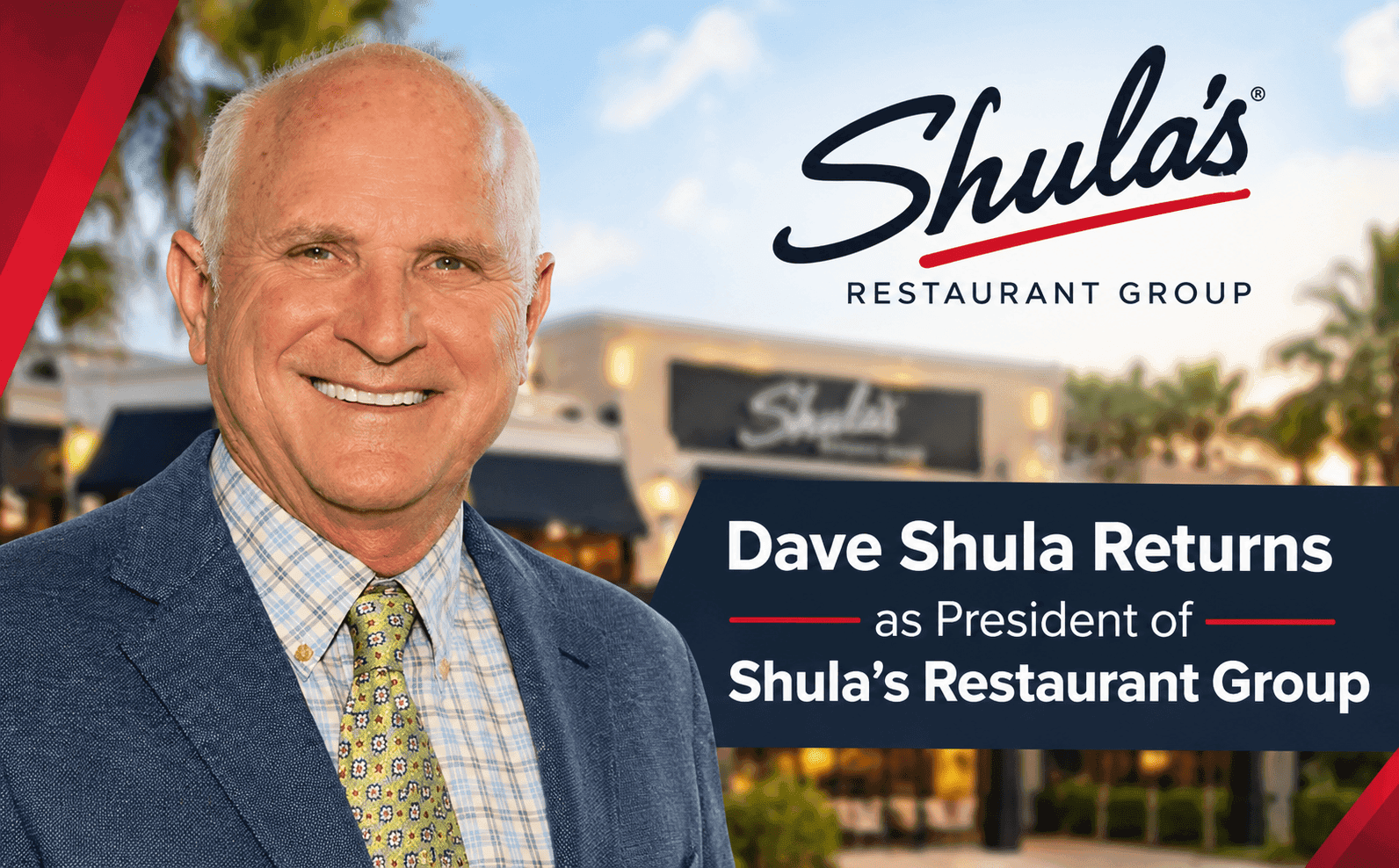
Dave Shula Returns as President of Shula's Restaurant Group
Dave Shula rejoins Shula's Restaurant Group as president, leading growth into Palm Beach Gardens and a 2027 Thomasville, Georgia expansion.
News
Sep 23, 2026
Dave Shula rejoins Shula's Restaurant Group as president, leading growth into Palm Beach Gardens and a 2027 Thomasville, Georgia expansion.
Sep 23, 2026
McDonald's commits $8.5 billion through 2036 to modernize restaurants, boost cash flow by $100,000 per store, and grow chicken and beverage sales.
Sep 23, 2026
WKS Restaurant Group promotes Jay Spongberg to president and COO after he helped grow the company from 65 to 382 restaurants over 16 years.
Sep 23, 2026

Smokey Mo's BBQ names Von Dawson, a Dine Brands veteran, as VP of Franchise Development to lead its Texas expansion strategy.
Sep 23, 2026
.png&w=3840&q=70)
Meritage Hospitality's Chapter 11 filing pulls 5% of Wendy's U.S. stores into bankruptcy, exposing cracks in franchising's bigger-is-safer bet.
Sep 21, 2026
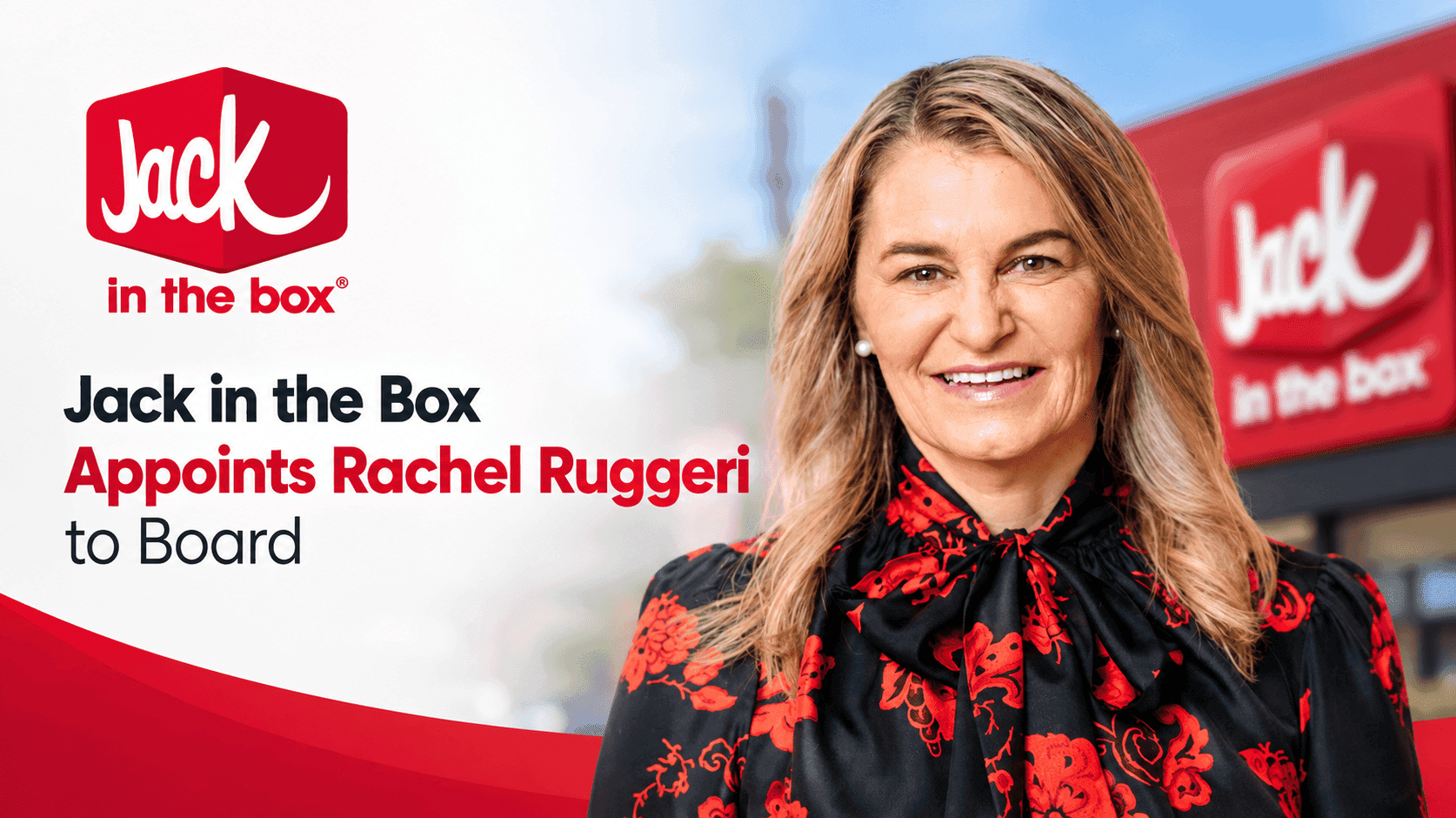
Jack in the Box names Rachel Ruggeri to its board as Michael Murphy retires, amid a CEO transition and deal with investor GreenWood.
Sep 21, 2026

Restaurant inventory tracking helps owners monitor stock, control food costs, reduce waste, improve purchasing, and make informed operational decisions.
Sep 21, 2026

Improve restaurant Google Maps rankings by optimizing your business profile, selecting accurate categories, gathering reviews, adding photos, and strengthening local relevance signals.
Sep 21, 2026

Restaurant owners can significantly reduce restaurant costs by leveraging technology across inventory, labor, procurement, forecasting, and administrative operations for better profit margins.
Sep 18, 2026

Understand how to forecast restaurant revenue and expenses with methods for sales projection, cost scaling, fixed-cost planning, and risk buffering.
Sep 18, 2026

Unlock Exclusive Access To Webinars, Events, And The Latest News For Free!
Learn how to write effective restaurant SOPs that staff truly follow. Master step-by-step frameworks, avoid common mistakes, and ensure consistent excellence in your operations.
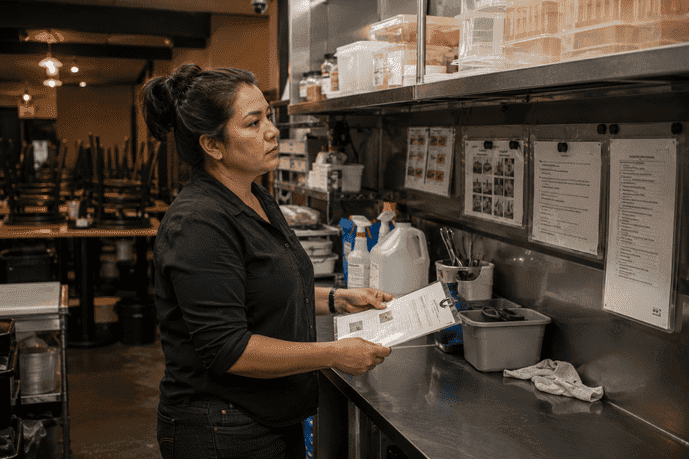
Imagine this scenario - It is 11 PM on a Friday. You are a multi-unit operator currently enjoying a rare evening off at home. Suddenly, your phone lights up. It is the junior manager at your second location. The veteran closing bartender called out sick, and the junior manager is frantically trying to close the bar. They don't know the proper ratio for the draft line cleaning solution, the cash drawer is short $45, and they forgot the alarm code for the liquor cage. You spend the next forty-five minutes walking them through basic closing procedures over FaceTime, watching your own labor costs tick upward while your stress levels compound. Why did this happen? It is not because your junior manager is incompetent. It is because your restaurant relies on tribal knowledge instead of documented systems. When the veteran employee leaves the building, the knowledge leaves with them. If you want to reclaim your time and protect your margins, you must master how to write a restaurant standard operating procedure (SOP) that staff actually follow. “Restaurant employee turnover consistently hovers around 70% to 75%. Relying entirely on verbal training means you are trapped in a never-ending, exhausting cycle of repeating yourself to new hires.” Let’s step away from the daily grind and look at this like the seasoned business operator you are. Here is the unvarnished truth about building operational systems, protecting your cash flow, and ensuring your restaurants run flawlessly whether you are in the building or taking a much-needed vacation.
The traditional restaurant model of training where a new hire shadows a veteran employee for three shifts and is then thrown to the wolves is a recipe for operational collapse. In an industry where turnover consistently hovers around 70% to 75%, relying entirely on verbal training means you are trapped in a never-ending, exhausting cycle of repeating yourself. For operators looking to stabilize their current business or expand into multiple units, SOPs are the bridge between a high-stress job and a scalable enterprise. First, restaurants scale on consistency and die on variability. If a guest orders your signature spicy chicken sandwich at Location A on a Tuesday, and it comes out perfectly crispy, they will return. If they visit Location B on a Saturday and the same sandwich is soggy because the weekend fry cook doesn't drain the chicken properly, you haven't just lost one guest you’ve lost the lifetime value of that customer. Documented systems ensure the baseline standard of quality is met, regardless of who clocked in for the shift. Second, SOPs are your ultimate defense against margin erosion. A health inspector does not care if your prep cook was hired yesterday; if they don't know the proper FIFO (First In, First Out) rotation for raw poultry, you are getting docked points and potentially throwing away hundreds of dollars in spoiled product.
Writing an SOP does not mean sitting in your office for three weeks drafting a 150-page corporate textbook that no one will ever read. It is about creating highly functional, accessible, and easily digestible cheat sheets for your staff. Here is the step-by-step framework consultants use to systematize multi-unit operations.
Consider the case of a three-unit gourmet burger concept. The ownership group was bleeding thousands of dollars a month in excess labor because the closing shifts were highly inconsistent. Some nights, the crew was out 45 minutes after the doors locked. Other nights, it took two hours, and the opening crew would still find unemptied trash cans and improperly dated prep items the next morning. The operators recognized they had a systems failure, not a personnel failure. They applied the framework for how to write a restaurant standard operating procedure (SOP) that staff actually follow. They tackled the "Closing the Line" vulnerability. The Director of Operations worked directly with the two fastest closing managers to map out the exact sequence of events. They realized staff were sweeping before wiping down the stations, causing crumbs to fall on the clean floor and forcing them to sweep twice. They created a heavily visual, bulleted SOP titled "The 45-Minute Line Close." It dictated the exact order of operations -
Even well-intentioned owners stumble when rolling out operational manuals. Avoid these notorious industry traps to ensure your staff actually embraces the tools you create, rather than resenting them. The "Binder of Death" Many operators, desperate for control, print out 80 pages of dense, text-heavy procedures, cram them into a massive D-ring binder, hand it to a new hire on their first day, and say, "Read this." The employee will nod, pretend to read it, and remember absolutely none of it. SOPs are operational reference tools, not a novel. If an SOP is longer than one page, it is too long. Break complex tasks down into smaller, station-specific checklists. Ignoring Language Barriers in the Back of House In the United States, the operational backbone of the kitchen relies heavily on staff whose primary language is not English. If you write an intricate, text-heavy SOP exclusively in English, you are setting your Spanish-speaking (or other language-speaking) prep cooks and dishwashers up for guaranteed failure. Always translate your critical kitchen, safety, and sanitization SOPs into the primary languages spoken by your staff. If you skip this step, your SOPs are just expensive wall decorations. Using SOPs as a Weapon Instead of a Training Tool SOPs should never be used purely to micromanage, threaten, or punish staff. If a line cook makes a mistake, your first response as a leader should not be to instantly write them up. Instead, walk them over to the laminated SOP on the wall and use it to guide the correction. Say, "Hey, I noticed the temp logs weren't filled out right for the walk-in this morning. Let's look at the sheet together. Is there something missing from the instructions, or did we just miss a step today?" This approach shifts the blame from the person to the process, opening the door for constructive coaching rather than defensive arguments. Failing to Train the Standard Just because you wrote it down and laminated it does not mean your staff miraculously absorbed the information. Writing the procedure is only step one. Step two is physically walking your team through the procedure during a pre-shift meeting or a dedicated training shift. You must demonstrate the standard before you can hold anyone accountable to it.
Growing from a single-unit operator surviving on hustle to a multi-unit restaurateur thriving on systems is one of the most rewarding transitions in the hospitality industry. It creates generational wealth, provides incredible career opportunities for your loyal staff, and cements your legacy in your community. But it requires abandoning the "fly by the seat of your pants" mentality. Stop firefighting the same issues every single week. Use this action checklist to begin formalizing your operations within the next seven days -

