True Food Kitchen Files Bankruptcy, Closes 12 Sites
True Food Kitchen filed for Chapter 11 bankruptcy, closing 12 locations and shrinking to 34 restaurants across 14 states amid $42.1 million in debt.
News
Oct 5, 2026
True Food Kitchen filed for Chapter 11 bankruptcy, closing 12 locations and shrinking to 34 restaurants across 14 states amid $42.1 million in debt.
Oct 5, 2026

Snooze Eatery names industry veteran Amy Hom as COO, starting Sept. 28, to strengthen hospitality and operations ahead of its next growth phase.
Oct 5, 2026

Evaluate restaurant industry performance in Q3 2026 through key trends affecting restaurant sales, traffic, consumer spending, labor, costs, and technology.
Oct 2, 2026

Opening a second restaurant location requires readiness, clear goals, financial planning, funding, smart strategy, standardized operations, strong teams, and careful launch monitoring for sustainable growth.
Sep 30, 2026
Restaurants can control operating costs by tracking food, labor, rent, utilities, technology, marketing, and other expenses against sales.
Oct 5, 2026
Improve restaurant visibility with local SEO by optimizing Google Business Profile, targeting local keywords, managing reviews, and maintaining accurate online information.
Oct 5, 2026
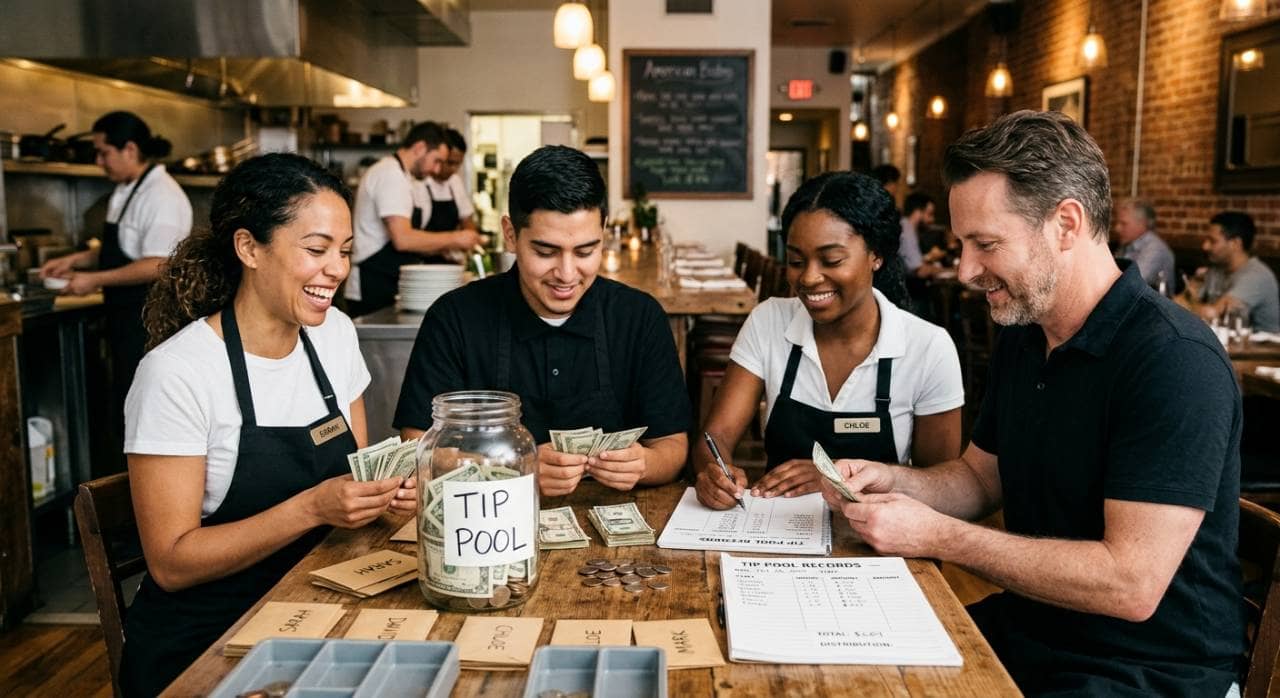
Understand tip pooling rules, employee eligibility, distribution methods, compliance requirements, recordkeeping practices, and policies restaurant owners need for proper tip management.
Oct 2, 2026

Whit's Frozen Custard hires industry veteran Amos Durbin as COO to guide franchise expansion, drawing on two decades of restaurant leadership experience.
Oct 2, 2026
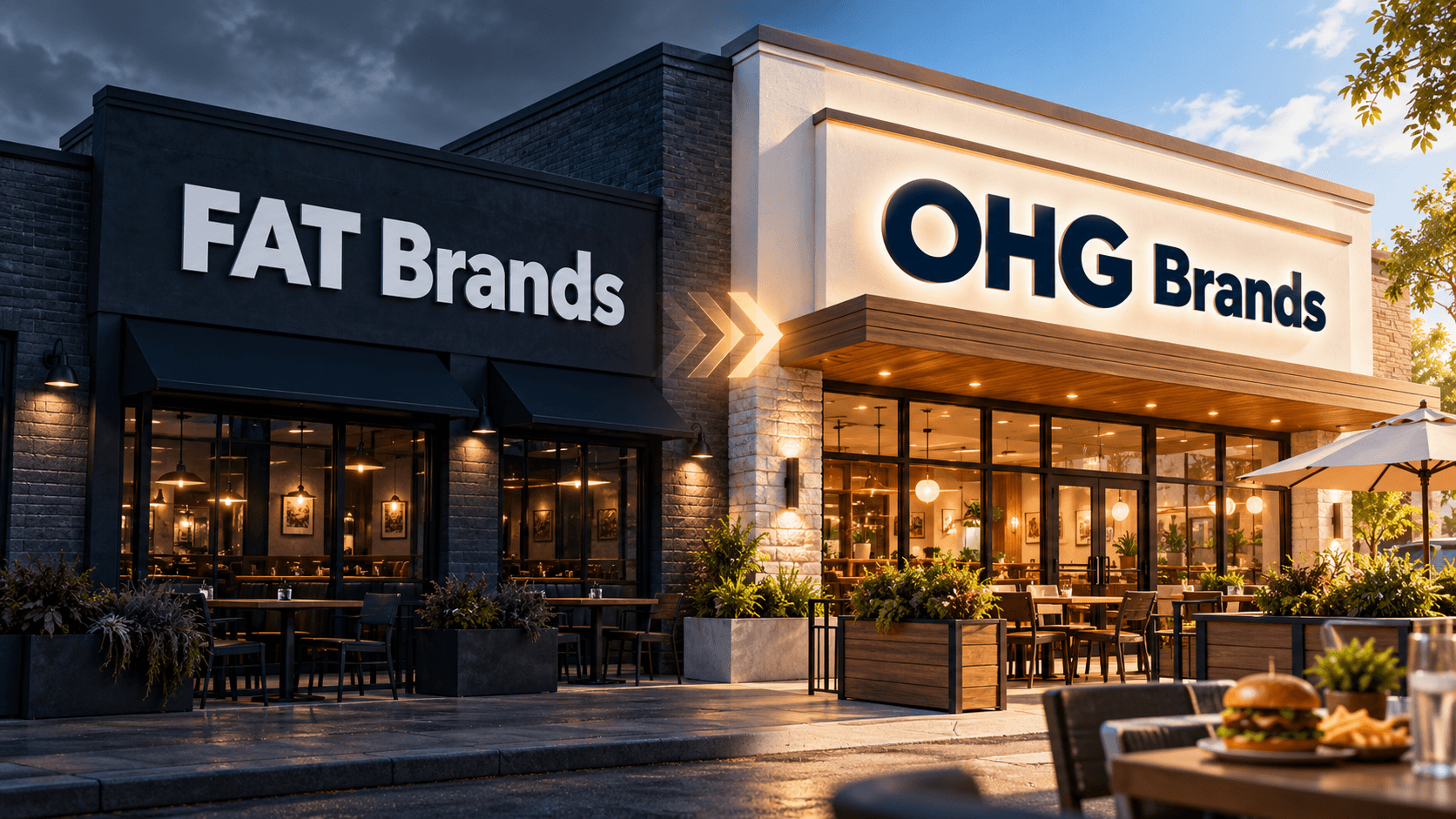
FAT Brands' $1B acquisition empire fell into bankruptcy and sold for $965M, re-emerging as OHG Brands with 1,700 restaurants.
Oct 1, 2026
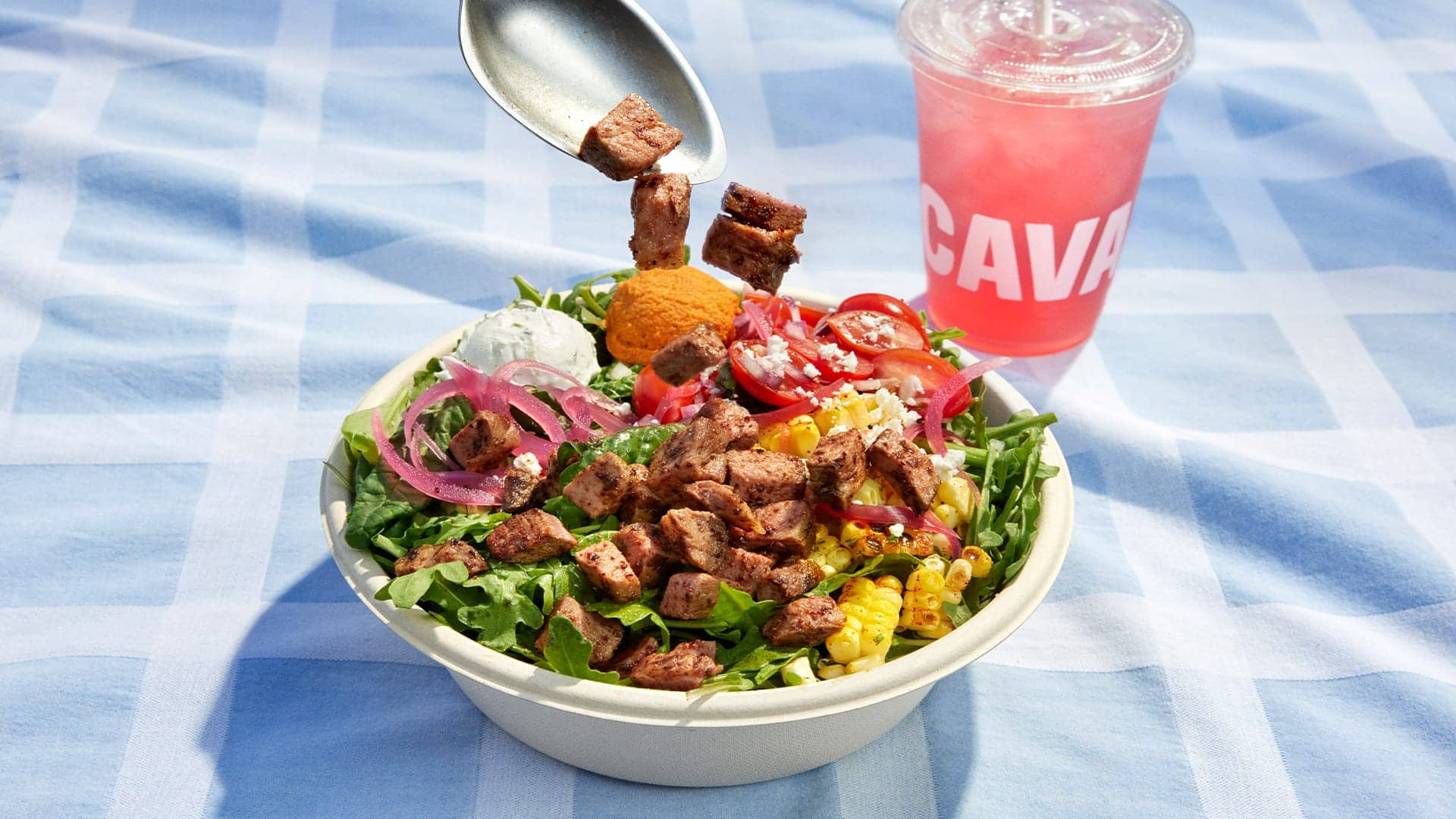
CAVA names John Ludeke, former Dr. Squatch Chief Brand Officer, as its new CMO to drive national growth and guest loyalty.
Oct 1, 2026

Unlock Exclusive Access To Webinars, Events, And The Latest News For Free!
Explore the recent cases and legal actions by EEOC regarding pregnancy discrimination and violations of Title VII and the Americans with Disabilities Act.

Photo by Logan Voss
The Equal Employment Opportunity Commission (EEOC) has been actively pursuing cases of pregnancy discrimination, alleging violations of Title VII of the Civil Rights Act and the Americans with Disabilities Act. One notable case involves a Texas bar that was ordered to pay $42,000 in relief to a fired bartender who faced pregnancy discrimination. Similarly, an assisted living facility in Minnesota settled for $73,000 after a manager initiated a retaliation campaign upon discovering an employee's pregnancy.

Photo by Logan Voss
The EEOC has underscored the importance of upholding the rights of pregnant workers under Title VII and the Americans with Disabilities Act. The agency's actions aim to enforce anti-discrimination laws and ensure that employees are not subjected to adverse treatment based on pregnancy. Additionally, the Pregnant Workers' Fairness Act prohibits placing employees on leave when reasonable accommodations can be provided and mandates maintaining employment if feasible. These legal protections are crucial in safeguarding the rights of pregnant employees in the workplace.

Photo by Logan Voss
In a significant move, the EEOC issued its first subpoena under the Pregnant Workers' Fairness Act to a Chicago freight and logistics company, emphasizing the act's provisions against unjust leave placement and the requirement to explore alternative accommodations for pregnant employees. While the lawsuit against Pita Pit did not allege PWFA violations, the EEOC's actions signal a commitment to enforcing laws that protect pregnant workers from discrimination.

Photo by Logan Voss