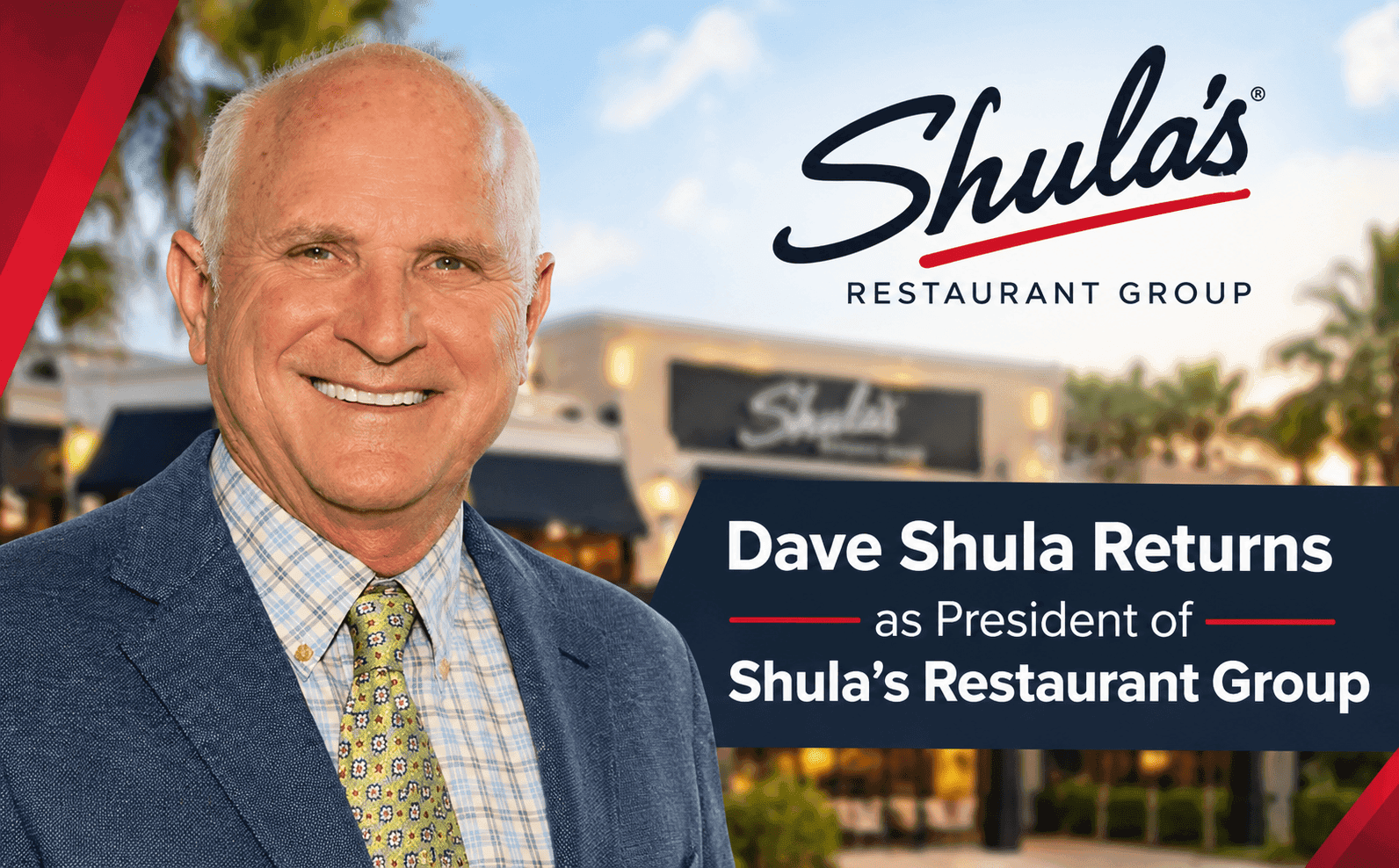
Dave Shula Returns as President of Shula's Restaurant Group
Dave Shula rejoins Shula's Restaurant Group as president, leading growth into Palm Beach Gardens and a 2027 Thomasville, Georgia expansion.
News
Sep 23, 2026
Dave Shula rejoins Shula's Restaurant Group as president, leading growth into Palm Beach Gardens and a 2027 Thomasville, Georgia expansion.
Sep 23, 2026
McDonald's commits $8.5 billion through 2036 to modernize restaurants, boost cash flow by $100,000 per store, and grow chicken and beverage sales.
Sep 23, 2026
WKS Restaurant Group promotes Jay Spongberg to president and COO after he helped grow the company from 65 to 382 restaurants over 16 years.
Sep 23, 2026

Smokey Mo's BBQ names Von Dawson, a Dine Brands veteran, as VP of Franchise Development to lead its Texas expansion strategy.
Sep 23, 2026
.png&w=3840&q=70)
Meritage Hospitality's Chapter 11 filing pulls 5% of Wendy's U.S. stores into bankruptcy, exposing cracks in franchising's bigger-is-safer bet.
Sep 21, 2026
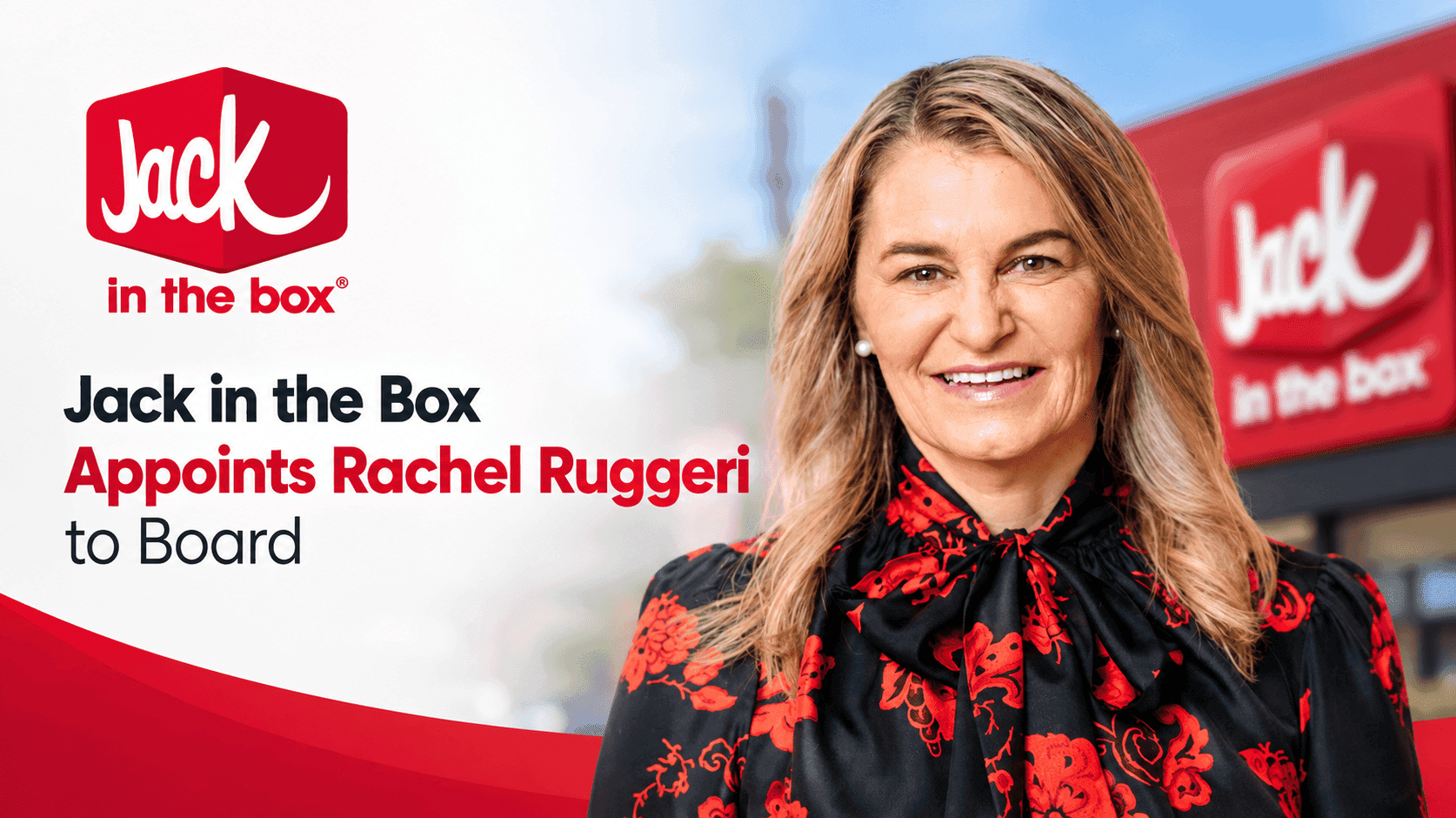
Jack in the Box names Rachel Ruggeri to its board as Michael Murphy retires, amid a CEO transition and deal with investor GreenWood.
Sep 21, 2026
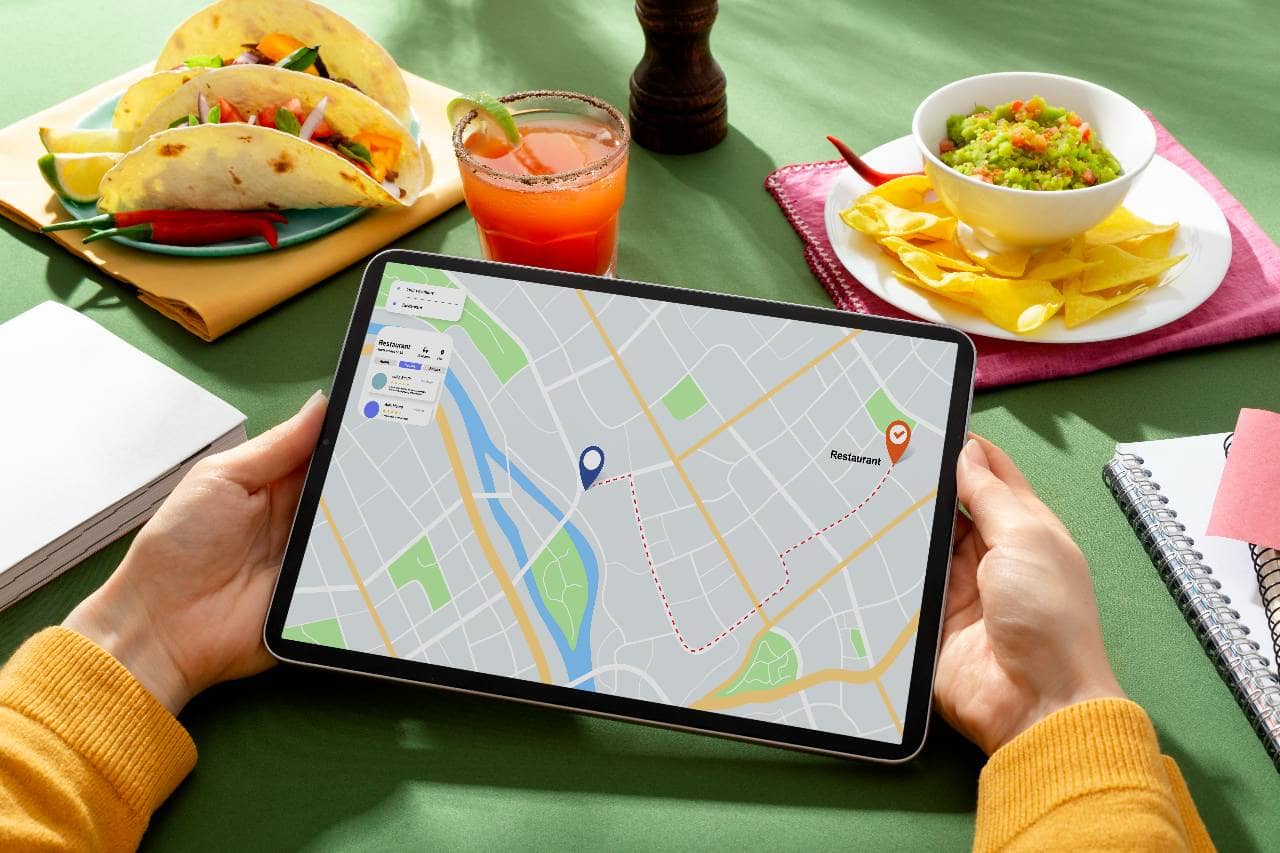
Improve restaurant Google Maps rankings by optimizing your business profile, selecting accurate categories, gathering reviews, adding photos, and strengthening local relevance signals.
Sep 21, 2026

Restaurant inventory tracking helps owners monitor stock, control food costs, reduce waste, improve purchasing, and make informed operational decisions.
Sep 21, 2026

Restaurant owners can significantly reduce restaurant costs by leveraging technology across inventory, labor, procurement, forecasting, and administrative operations for better profit margins.
Sep 18, 2026

Understand how to forecast restaurant revenue and expenses with methods for sales projection, cost scaling, fixed-cost planning, and risk buffering.
Sep 18, 2026

Unlock Exclusive Access To Webinars, Events, And The Latest News For Free!
Plant-based chain Clover Food Lab will close all 11 restaurants on May 28, 2026, citing 30–50% ingredient inflation and mounting operating costs.

Photo by Louis Hansel
Clover Food Lab will close all 11 restaurants on Thursday, May 28, 2026, ending an 18-year run for a plant-based fast casual pioneer that helped nudge carrots and chickpeas into the lunch rush. CEO Julia Wrin Piper told customers that ingredient costs have risen 30 to 50 percent over the past two years, with cardboard, fry oil, and other basics climbing too.
Consumer prices for food-away-from-home rose 4 percent between January 2025 and January 2026, according to S&P Global Market Intelligence, while the National Restaurant Association reports the Producer Price Index for All Foods is 35 percent above its February 2020 level. Clover raised menu prices modestly and held tight to local farm partnerships, yet the brand concluded the macroeconomic headwinds proved insurmountable.
The company’s story began in 2008 when MIT graduate Ayr Muir rolled out a single food truck to make plant-forward food feel fun and accessible to mainstream diners. Brick-and-mortar followed in 2011, then a small constellation of neighborhood restaurants built around seasonal vegetable dishes and compostable packaging.
The glow met hard realities after the pandemic: landlord disputes and expired rent relief pushed Clover into Chapter 11 in late 2023. Wrin Piper described the restructuring as an accelerated transformation that forced rapid operational reassessment and cuts across corporate staffing and facilities. The Good Food Institute pegs the U.S. retail plant-based food market at $7.9 billion in 2025, a sign of steady demand even as many brands wrestle with profitability.
Inside the business, rising input prices did not let up. Clover’s team cited a 30 to 50 percent jump in produce costs and double-digit inflation in packaging supplies like cardboard, with fry oil and cleaning chemicals also surging.
Bureau of Labor Statistics data show wholesale food prices remain elevated, keeping pressure on operators already juggling thin margins. Four in ten diners curtailed restaurant visits in 2025, according to the National Restaurant Association, which left little room for aggressive price moves without scaring off guests. Clover tried to protect quality and its sustainability commitments by raising prices some, but there was a limit.

The human cost is coming into focus. In early April, Clover submitted a WARN notice in Massachusetts that signaled potential layoffs for nearly 200 employees, later confirming 170 job losses.
The closure of remaining sites takes effect Thursday, May 28, 2026, with final payroll and severance details still pending formal notice to staff. Wrin Piper acknowledged how widespread the strain has become, pointing to rising food, delivery, and behind-the-scenes costs like cardboard and fry oil, and added, “We’re deeply saddened about the circumstances.” Customers and local producers shared regret on social media, as local producers lose a committed buyer and neighborhoods lose easy access to plant-based options that felt neighborly and fresh.
Clover’s exit is part of a wider retrenchment in plant-based dining. Amy’s Drive Thru closed its final freestanding outlet at San Francisco International Airport on March 25, 2026, following the shuttering of its Rohnert Park location on March 8 2026.
Next Level Burger acquired rival Veggie Grill in January 2024, consolidating 27 outlets under new management. Full-service chain PLANTA filed for Chapter 11 in May 2025 after major footprint reductions. Operators across the category cite familiar culprits, including supply chain inflation, rent hikes, and compressed consumer spending, which together have forced a rethink of scale and pricing.

Unanswered questions remain around Clover’s final accounting with creditors and the status of its commissary facility project, along with the long-term fate of its local farm partners. Public statements have outlined cost drivers but not severance terms, settled vendor claims, or landlord negotiations.
It is also unclear whether any asset sale or intellectual property license could return funds to creditors or preserve the brand’s sustainable sourcing model. The lesson for operators is sobering yet useful: sustainability commitments and a strong brand ethos cannot carry the weight of structural cost inflation and tight financing alone. The next wave of plant-based concepts may need deeper capital reserves, more flexible real estate, and inventive pricing to keep the doors open when the bills climb and guests pull back.

