What Should a Restaurant Payroll Advance Policy Include?
A payroll advance policy helps restaurant owners define eligibility, limits, repayment, documentation, approval procedures, and compliance requirements for employee advances.
Aug 24, 2026
A payroll advance policy helps restaurant owners define eligibility, limits, repayment, documentation, approval procedures, and compliance requirements for employee advances.
Aug 24, 2026
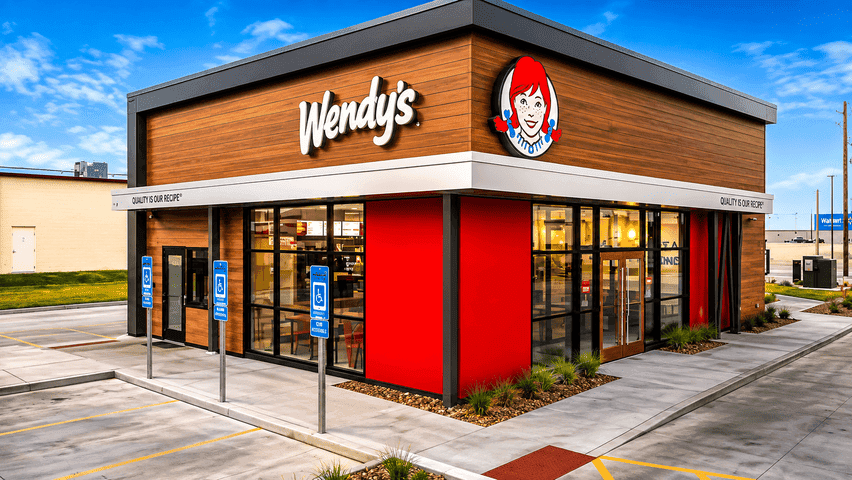
Wendy’s announces Tariq Hassan as Chief Marketing and Customer Growth Officer, charting a new course for brand and digital innovation. What restaurant owners can learn.
Aug 24, 2026
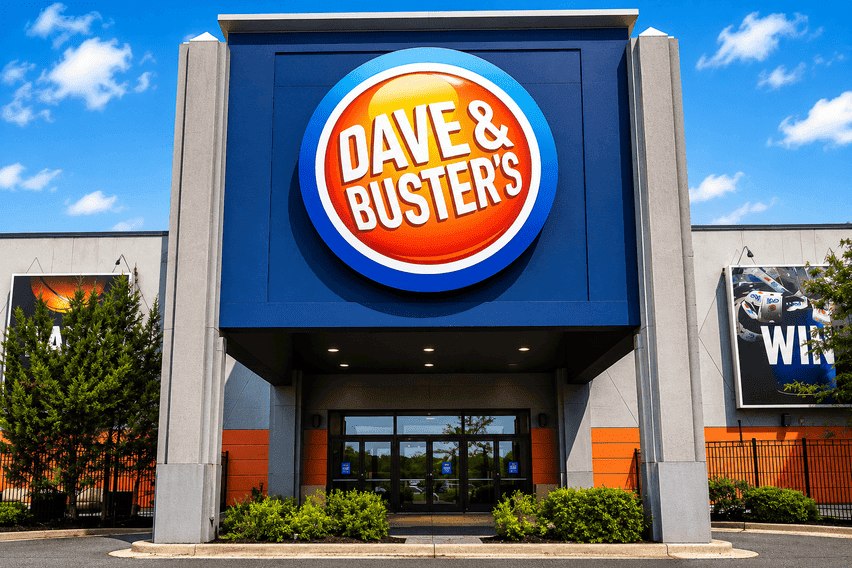
Dave & Buster's refreshes its executive lineup with seasoned leaders in operations, marketing, tech, and finance - signaling a growth-driven future for restaurant operators to watch.
Aug 24, 2026
Clear operating procedures help restaurants manage opening, closing, food preparation, sanitation, guest service, inventory, staffing, and routine operational reviews effectively.
Aug 21, 2026
Learn how to build a restaurant back office software stack that improves efficiency, integrations, reporting, cost control, and scalability overall.
Aug 21, 2026
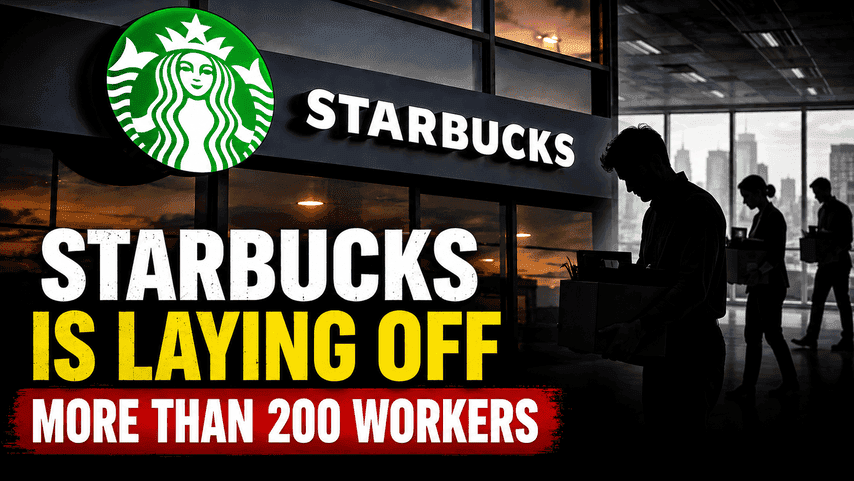
Starbucks is making strategic staffing changes, laying off 200+ workers as it restructures operations and prepares for future growth in southern and eastern regions.
Aug 21, 2026
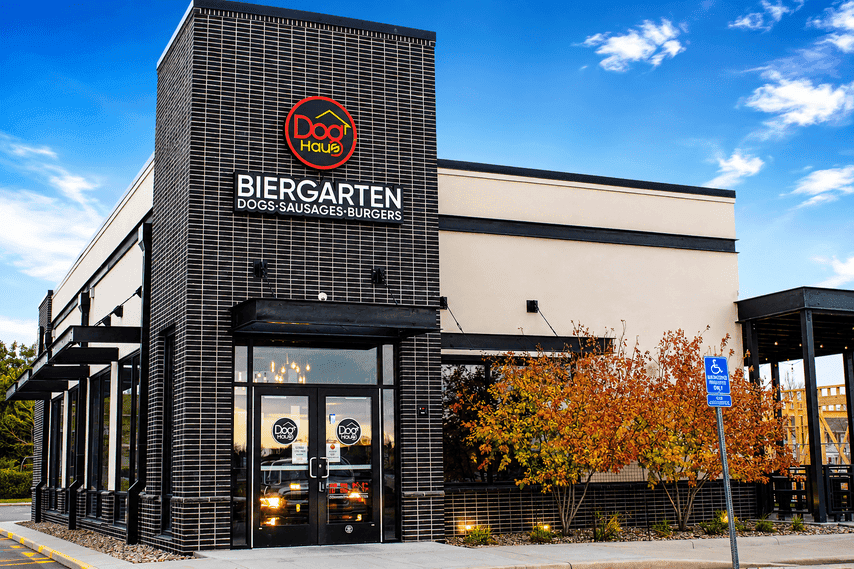
Dog Haus appoints James Field as chief marketing officer and promotes CJ Ramirez to chief experience officer, setting the stage for innovative brand growth and franchisee success in the national restaurant scene.
Aug 21, 2026
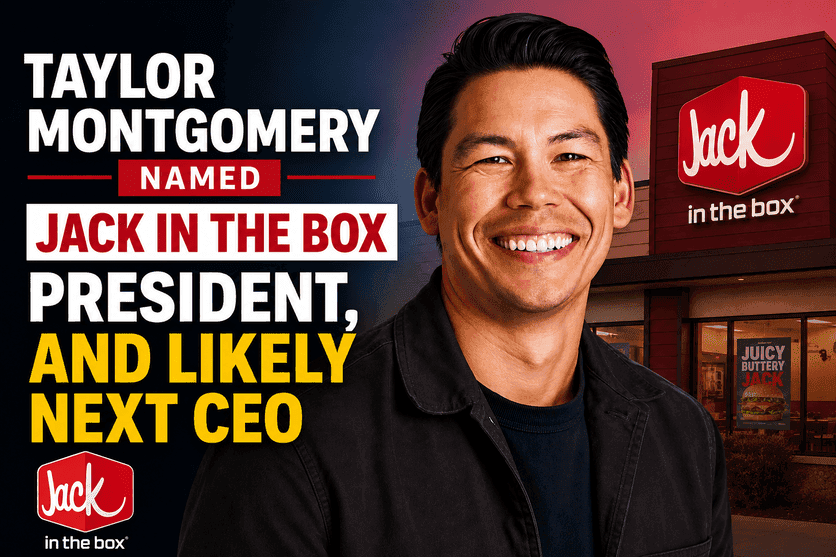
Taco Bell’s Taylor Montgomery has been appointed as President of Jack in the Box, positioning him to take over as CEO within a year - signaling major shifts for the QSR brand's future.
Aug 20, 2026
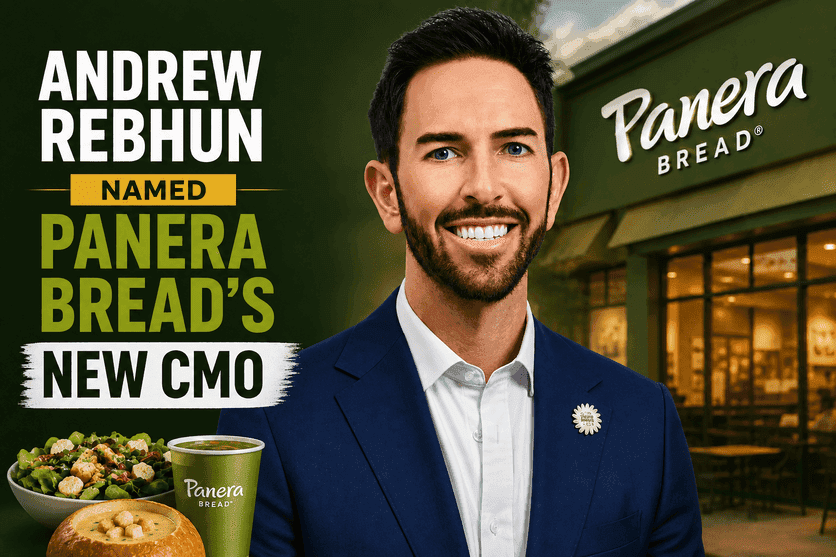
Panera Bread welcomes Andrew Rebhun as Chief Marketing Officer, succeeding Mark Shambura. Learn about his background at CAVA, El Pollo Loco, and McDonald's.
Aug 20, 2026
Learn how to open a restaurant with no experience by planning your concept, budget, location, team, operations, and successful launch.
Aug 19, 2026
Unlock Exclusive Access To Webinars, Events, And The Latest News For Free!
Indiana bans I Heart Mac & Cheese franchise sales after FDD omissions; court orders refunds and penalties as regulators escalate disclosure enforcement.
Photo by Inna Safa
Indiana just shut the door on new I Heart Mac & Cheese franchises. A court ruling in April 2026 bars Mac and Cheese Franchise Operations, the franchisor behind I Heart Mac & Cheese, from selling any new franchises in the state after the Indiana Securities Division found that the company violated the Franchise Rule by omitting material litigation and executive employment history from its FDD.
The state’s 2024 complaint said MACFO pushed a fraudulent model that sold 16 franchises to seven Hoosier investors, none of which succeeded or even launched. I Heart Mac & Cheese first debuted in Fort Lauderdale in 2016 and began franchising in 2017. The brand that once peaked at roughly 80 stores now counts only six locations across five states.
Franchise law sets a clear baseline. The federal Franchise Rule mandates disclosure of past and pending litigation, Item 3, and a five-year business history for key executives, Item 2, in every FDD. Indiana had already issued a cease-and-desist order in May 2023, revoking MACFO’s franchise registration for sale of additional units, and renewed that directive later in the year. The April 2024 administrative complaint said the company pitched low startup costs and minimal staffing and downplayed its legal risks, in breach of state and federal franchise laws.
What the investigation found paints a different picture. State reviewers said MACFO’s FDDs omitted a 2017 lawsuit against CEO Stephen Giordanella and Cabo Flats Jupiter for unpaid rent and taxes, eviction actions at Cabo Flats Delray Beach and a 2017 eviction suit at an IHMAC location in Fort Lauderdale. The filings also failed to list Giordanella’s and other executives’ roles at The Inn at New Hyde Park, where cofounders of the Long Island venue later sued him over misused funds. Those omissions deprived prospects of risks the FTC treats as central to Items 2 and 3.
Operators say the sales pitch did not match the reality on the ground. Joe Amodio, vice president of franchise development, allegedly told franchisees they needed only two to four employees and that “food and labor costs were very low,” according to court documents. At least two Indiana operators reported needing more staff and facing higher labor expenses than advertised. Former Oklahoma franchisee Genevieve Prieto, who closed her unit after eight months, warned, “Other people have fallen into the trap,” noting the risk of repeated sales to unwitting investors. Utah franchisee Cody Molyneaux described his experience as “the world’s biggest nightmare imaginable” after suing IHMAC for building its model on “a foundation of deception and broken promises.”
The court’s sanctions landed hard. In the April 2026 ruling, MACFO was ordered to return $297,500 in franchise fees to three Indiana operators and pay $80,000 in civil penalties. The state also terminated those operators’ franchise agreements and permanently barred the company from selling new franchises in Indiana. These sanctions parallel California’s enforcement, where the Department of Financial Protection and Innovation issued a consent order on March 28, 2024, imposing a $43,000 fine and requiring independent monitoring over three years for similar disclosure breaches.
Pressure is mounting beyond Indiana. In California, regulators required MACFO to halt sales after its franchise registration expired in 2022 and later entered into a consent order for nondisclosure violations. The Federal Trade Commission and state authorities are increasingly targeting deceptive franchisors: in early 2024, a federal court granted a nearly $49 million default judgment against Burgerim for misleading sales tactics under the Franchise Rule, underscoring a broader trend of enforcement against misrepresentations in franchise offerings.
The story is still moving. Stephen Giordanella, who testified that MACFO owed him $3 million in personal loans, remains the brand’s largest creditor, a fact undisclosed to potential franchisees. He has since shifted focus to Pilar Coffee Bar, a boutique café concept founded in December 2024 in Deerfield Beach, Florida.
Pilar announced plans on May 6, 2026, to open 11 new franchised locations by the end of 2027 across Florida, New York and Colorado, yet it has only one flagship café. Prospective operators should note the gap between Pilar’s eight projected openings in its 2025 FDD and actual performance, and track upcoming openings in Roslyn (NY), Coral Springs (FL) and Aurora (CO) this year.
This case highlights the critical importance of transparent disclosure and rigorous due diligence for franchising. Prospective franchisees should scrutinize FDD Items 2 and 3, verify litigation histories and employment backgrounds, and compare actual startup costs with projected estimates. Regulators’ willingness to impose refunds, penalties and sale bans signals a shift toward greater accountability in franchise offerings, offering a cautionary example for both franchisors developing new concepts and entrepreneurs evaluating investment opportunities.