
.png&w=3840&q=70)





The Evolution of Consumer Behavior in the Restaurant Industry: Insights from Cava's Marketing Strategies
Explore how Cava is navigating macroeconomic challenges and driving growth through a focus on in-restaurant experience and consumer preferences.

Understanding Macro Challenges in the Restaurant Industry
The restaurant industry has witnessed significant fluctuations in consumer behavior due to macroeconomic factors, leading to challenges for many brands. Cava's CFO, Tolivar, highlighted the impact of a shifting macroeconomic environment on consumer decision-making. Tolivar emphasized that uncertainties create a 'fog' for consumers, making it challenging to predict trends accurately. This unpredictability often results in consumers being cautious with their spending, leading them to refrain from making immediate purchasing decisions.
Maintaining Market Share Amidst Uncertainties
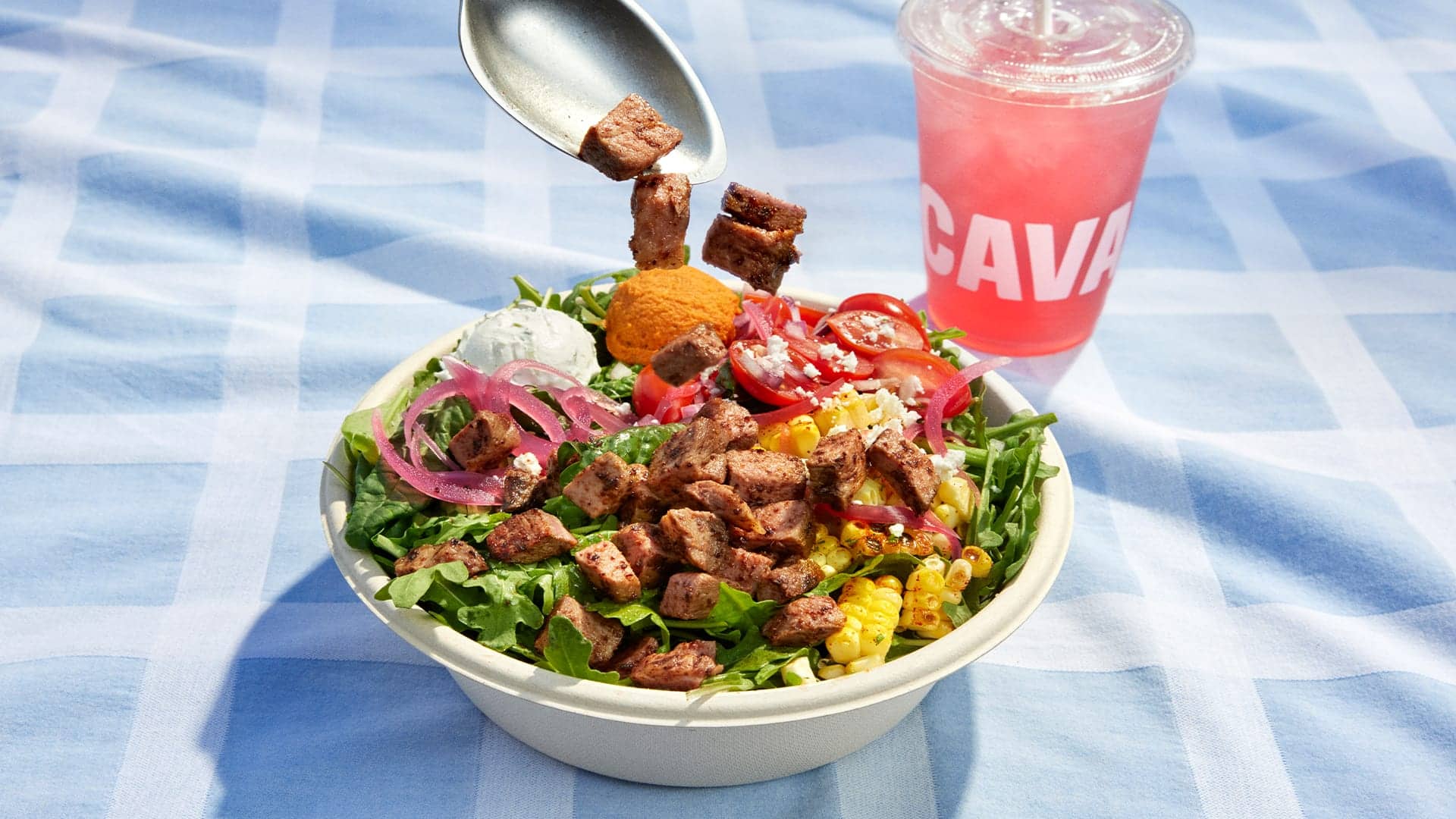
Despite the macroeconomic challenges, Cava has managed to sustain its market share and address consumer price sensitivity effectively. Tolivar noted that the brand has observed a consistent demand for premium items, with a particular increase in the popularity of fan-favorite products like the premium pita chips. This resilience against price sensitivity fluctuations indicates a strong brand loyalty and a well-received pricing strategy that resonates with customers from various income brackets and market segments.
Driving Growth Through Strategic Store Openings
Cava's strategic approach to store openings plays a crucial role in driving growth and maintaining momentum. Tolivar mentioned the exceptional performance of the 2024 cohort of store openings, especially in new markets like Chicago. While facing a slight sales stagnation due to the 'honeymoon effect' from the previous year, Cava continues to outperform its initial sales expectations with the 2024 and 2025 store classes. This strategic expansion contributes significantly to the brand's overall sales performance and market presence.
Focus on In-Restaurant Experience: Project Soul
In response to changing consumer preferences and a shift towards experiential dining, Cava has initiated 'Project Soul' to enhance in-restaurant experiences. The project focuses on incorporating design elements such as comfortable seating, warm color schemes, soft curves, and natural greenery like olive trees to create a welcoming ambiance for customers. These efforts align with the trend seen in the industry, where brands like Starbucks are also emphasizing the importance of in-store experiences to drive customer engagement and loyalty.