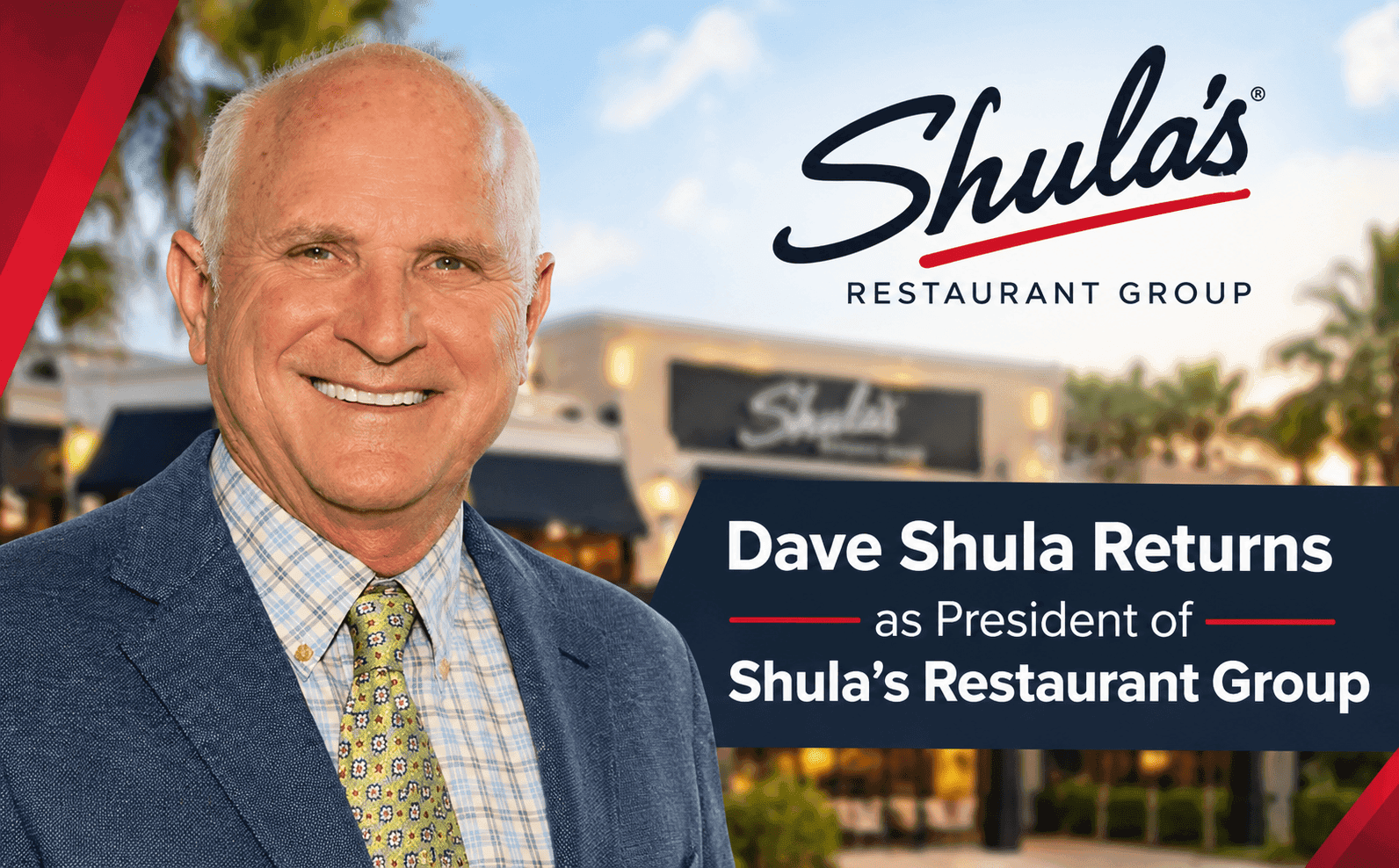
Dave Shula Returns as President of Shula's Restaurant Group
Dave Shula rejoins Shula's Restaurant Group as president, leading growth into Palm Beach Gardens and a 2027 Thomasville, Georgia expansion.
News
Sep 23, 2026
Dave Shula rejoins Shula's Restaurant Group as president, leading growth into Palm Beach Gardens and a 2027 Thomasville, Georgia expansion.
Sep 23, 2026
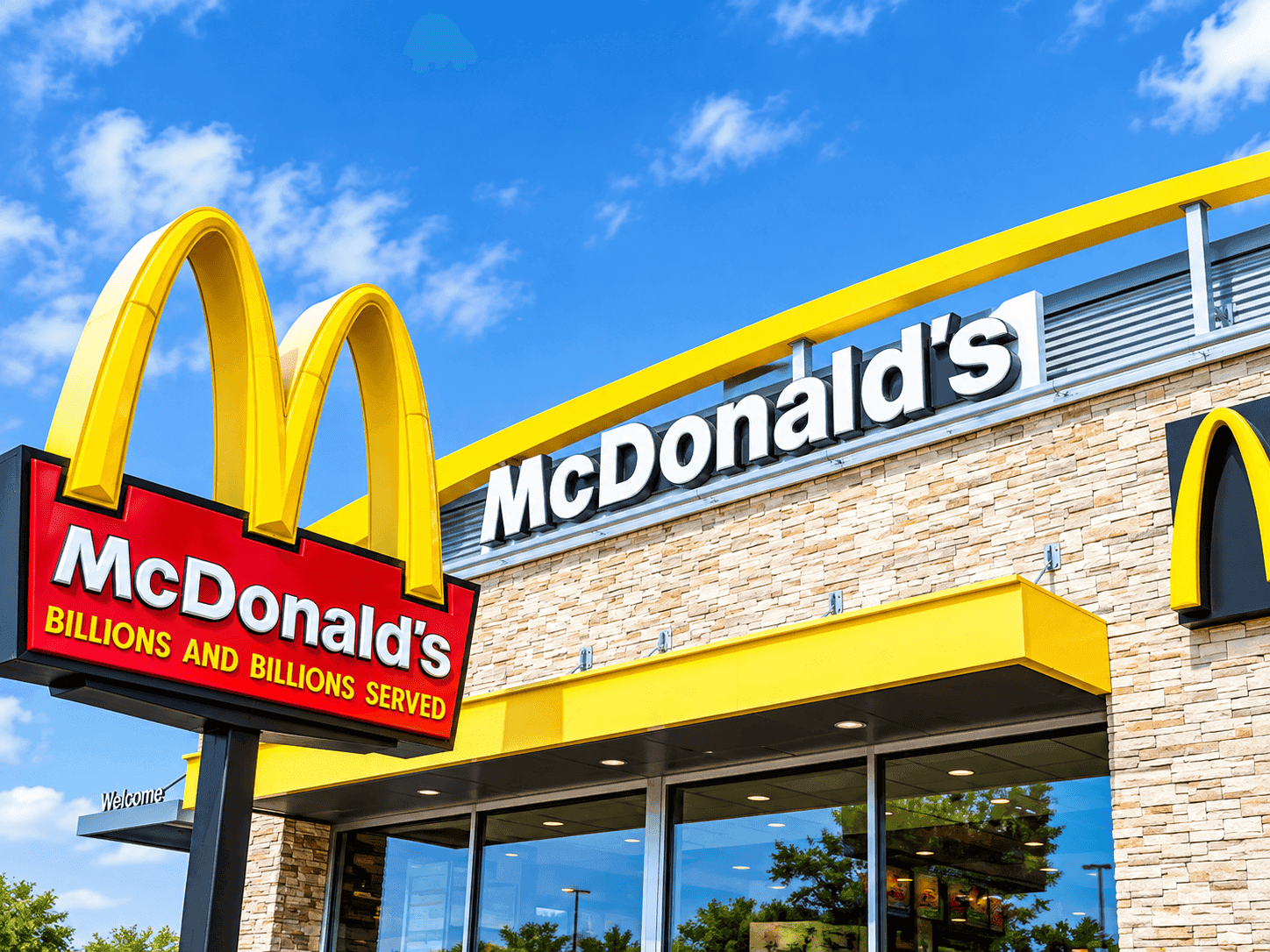
McDonald's commits $8.5 billion through 2036 to modernize restaurants, boost cash flow by $100,000 per store, and grow chicken and beverage sales.
Sep 23, 2026
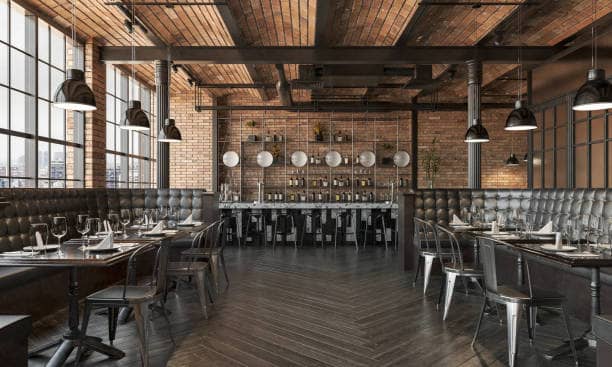
WKS Restaurant Group promotes Jay Spongberg to president and COO after he helped grow the company from 65 to 382 restaurants over 16 years.
Sep 23, 2026

Smokey Mo's BBQ names Von Dawson, a Dine Brands veteran, as VP of Franchise Development to lead its Texas expansion strategy.
Sep 23, 2026
.png&w=3840&q=70)
Meritage Hospitality's Chapter 11 filing pulls 5% of Wendy's U.S. stores into bankruptcy, exposing cracks in franchising's bigger-is-safer bet.
Sep 21, 2026
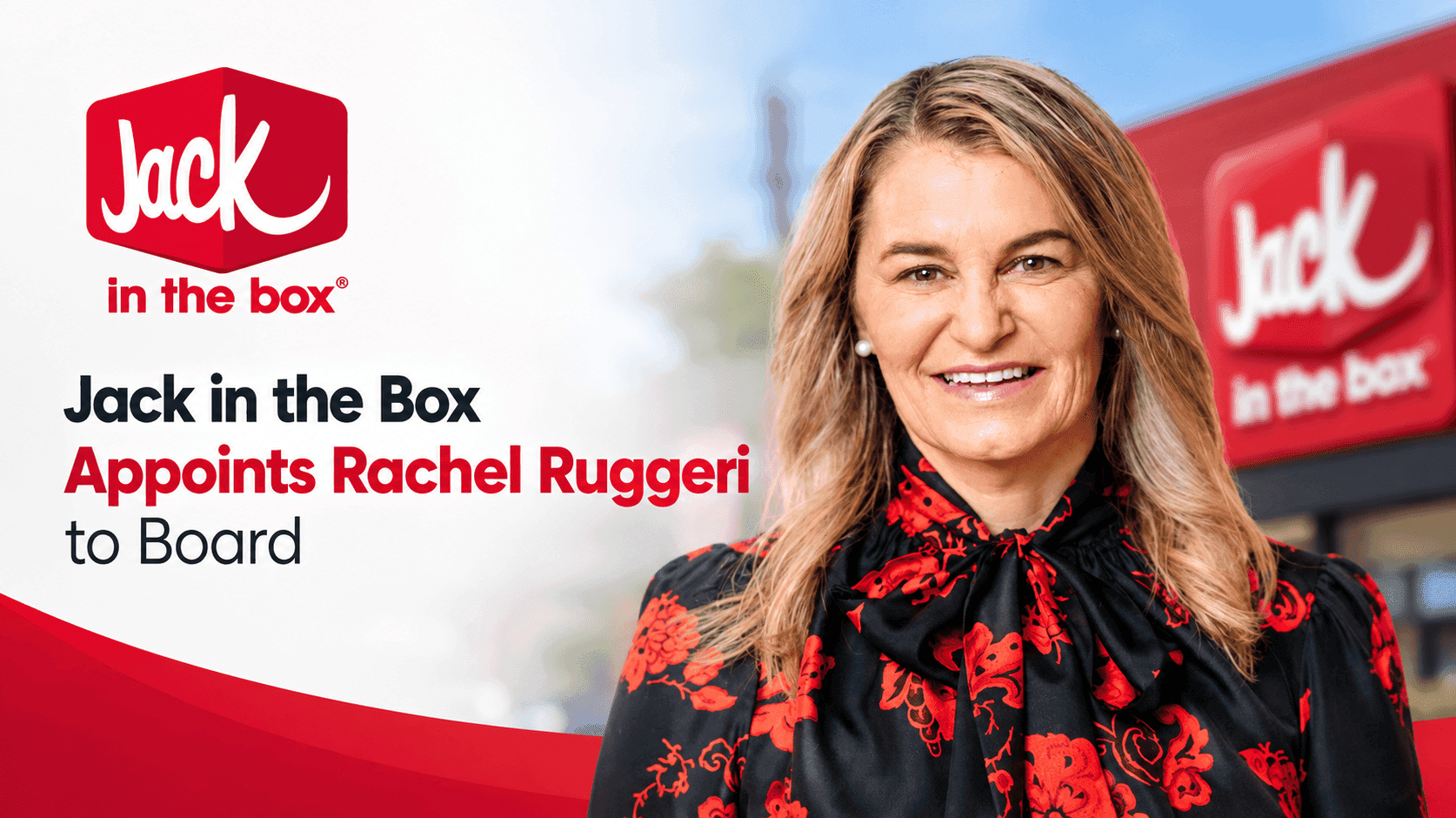
Jack in the Box names Rachel Ruggeri to its board as Michael Murphy retires, amid a CEO transition and deal with investor GreenWood.
Sep 21, 2026

Restaurant inventory tracking helps owners monitor stock, control food costs, reduce waste, improve purchasing, and make informed operational decisions.
Sep 21, 2026
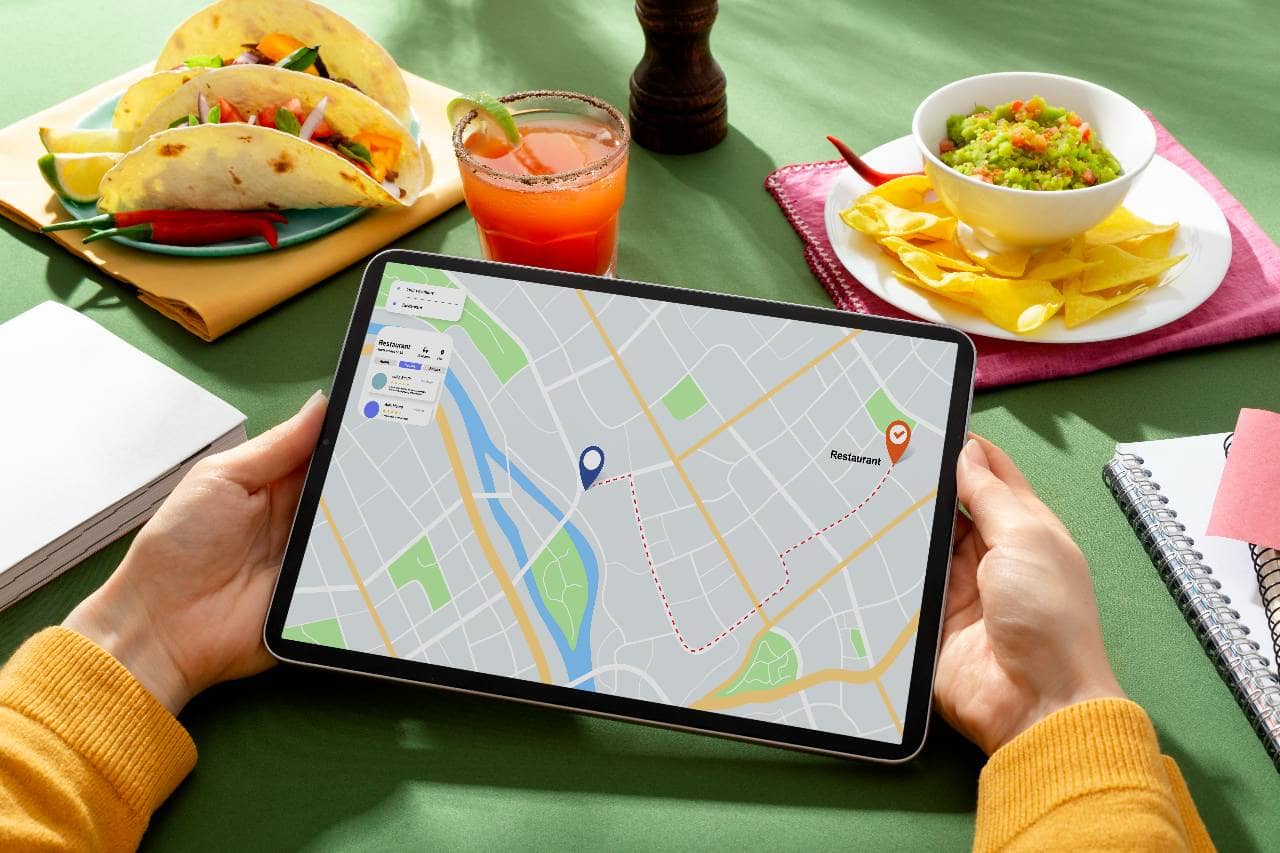
Improve restaurant Google Maps rankings by optimizing your business profile, selecting accurate categories, gathering reviews, adding photos, and strengthening local relevance signals.
Sep 21, 2026

Restaurant owners can significantly reduce restaurant costs by leveraging technology across inventory, labor, procurement, forecasting, and administrative operations for better profit margins.
Sep 18, 2026

Understand how to forecast restaurant revenue and expenses with methods for sales projection, cost scaling, fixed-cost planning, and risk buffering.
Sep 18, 2026

Unlock Exclusive Access To Webinars, Events, And The Latest News For Free!
Utilizing technology solutions and data analysis to improve Supply Chain Management In Food Industry will prevent illness, streamline supply chain processes, and increase customer satisfaction. Here are the top 3 practices to utilize.
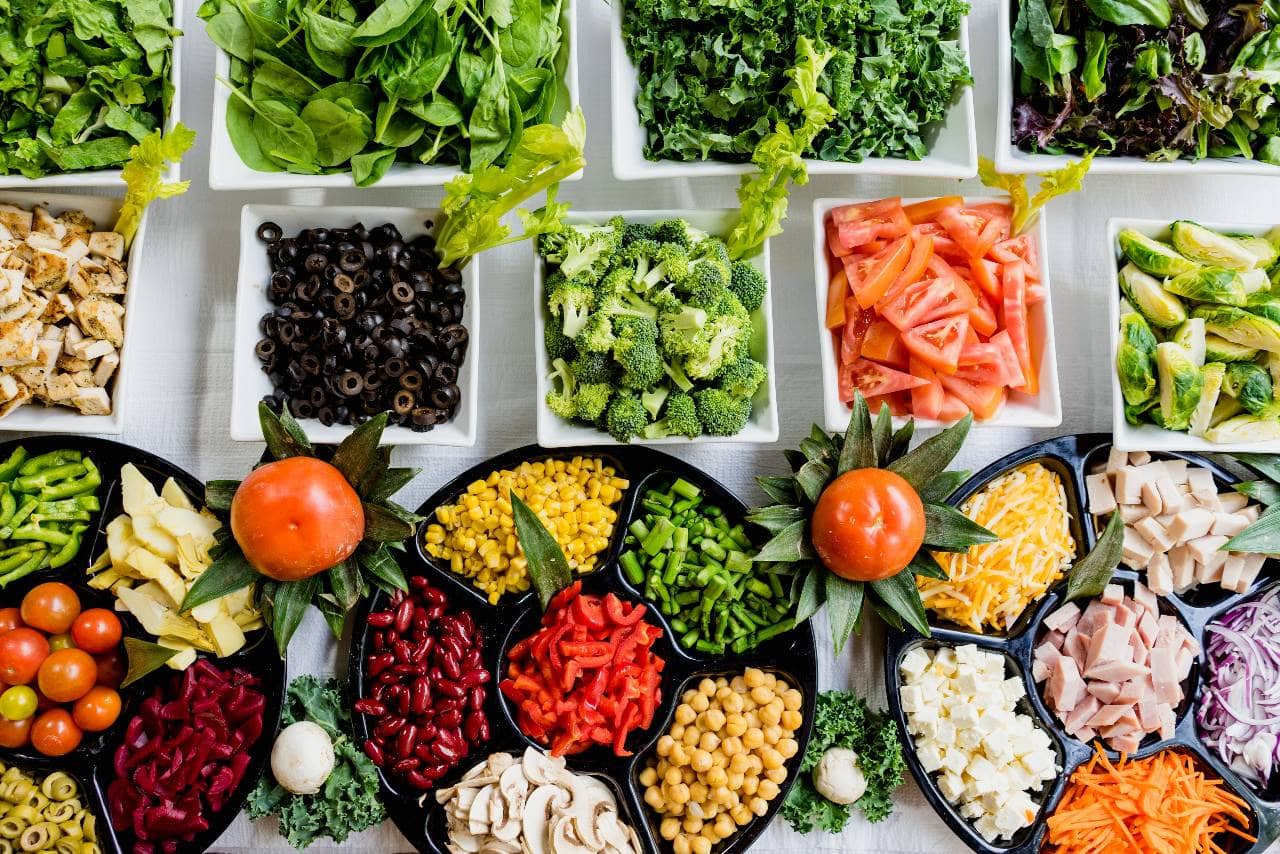
The supply chain has grown more complicated due to globalization, the coronavirus, and an increase in consumer demand for traceability. Managing a worldwide operation from one location can be nearly impossible without an optimized technology solution and policies in place to improve communication among participants. Thankfully, modern society has provided options for restaurants and grocers who aren't sure how to comply with growing regulations and an increasingly fragmented global chain. Improving collaboration and implementing health-based programs with suppliers can also help grocers and restaurants optimize supply chain management.
Supply chain management refers to the tracking, streamlining, and monitoring of all of the processes that transform food on a farm to a product eaten by consumers. As the food industry continues to evolve due to an increase in regulations, globalization, and COVID-19, efficient supply chain management has become more essential. Consumers are more invested in knowing the details regarding the quality and safety of their food items. Sustainability is also a growing concern among governments, consumers, and interest groups. To satisfy these customers and meet sustainability requirements, restaurants and grocers have no choice but to improve their management of the supply chain. Proper supply chain management ensures quality food arrives safely for the right people at the right time. It also helps pinpoint foodborne illnesses, contamination, and potential outbreaks before they ever reach the consumer. Furthermore, a streamlined supply chain depends on collaboration and communication among all participants. Food needs to be packaged properly, in a sterile environment and stored at the correct temperature to prevent spoilage. Utilizing technology systems to optimize tracking and manage quality control during logistics has helped to improve supply chain management, but operators still need to take more ownership of the process. Here are the top 3 best practices for improving supply chain management in the food industry-
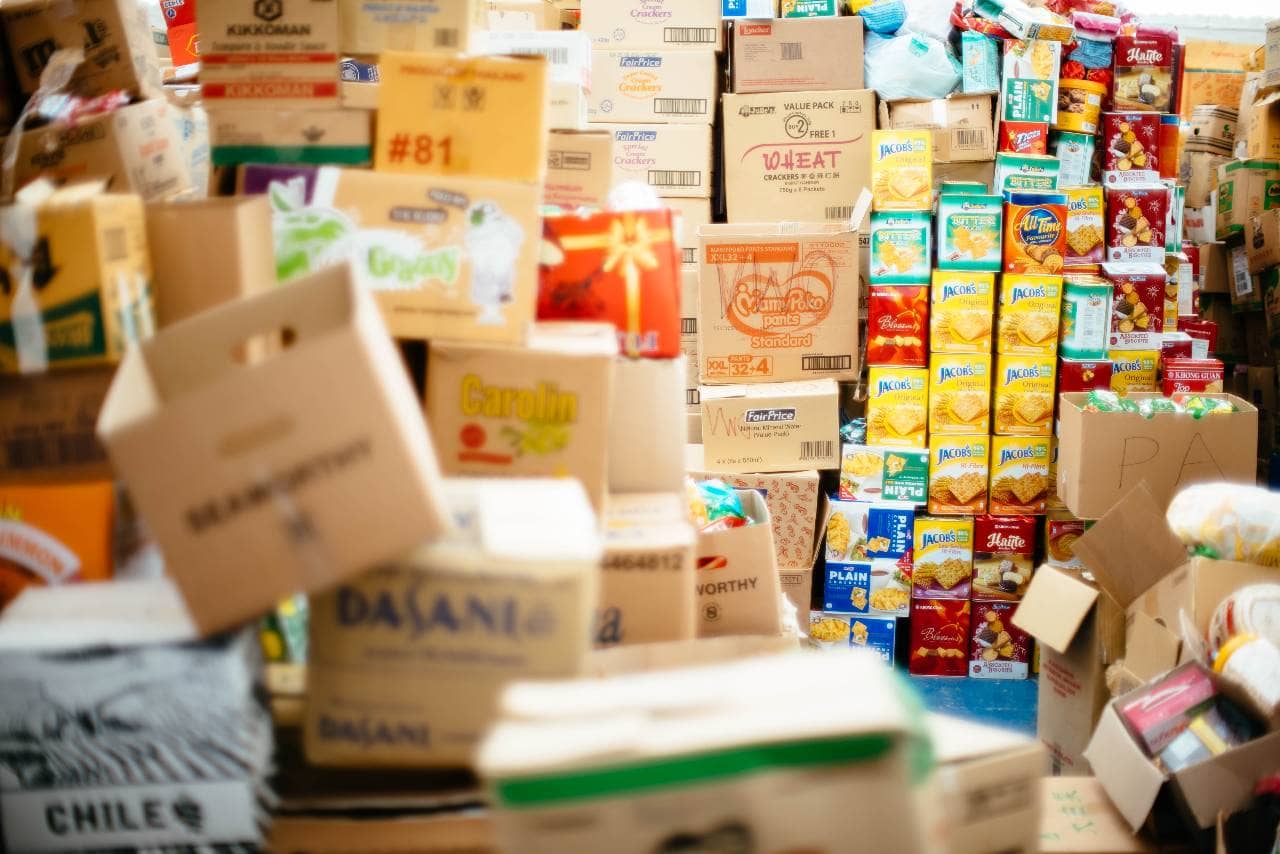
1. Improve Demand Forecasts Predicting future consumer demand can help optimize inventory management, particularly when it comes to re-ordering. Streamlining the re-ordering process based on collected data that shows past demand and sales can help to know how much to order in the future. However, utilizing past data to predict future demand isn't always entirely accurate due to-
In conclusion, here are the key takeaways to remember about supply chain management in the food industry-