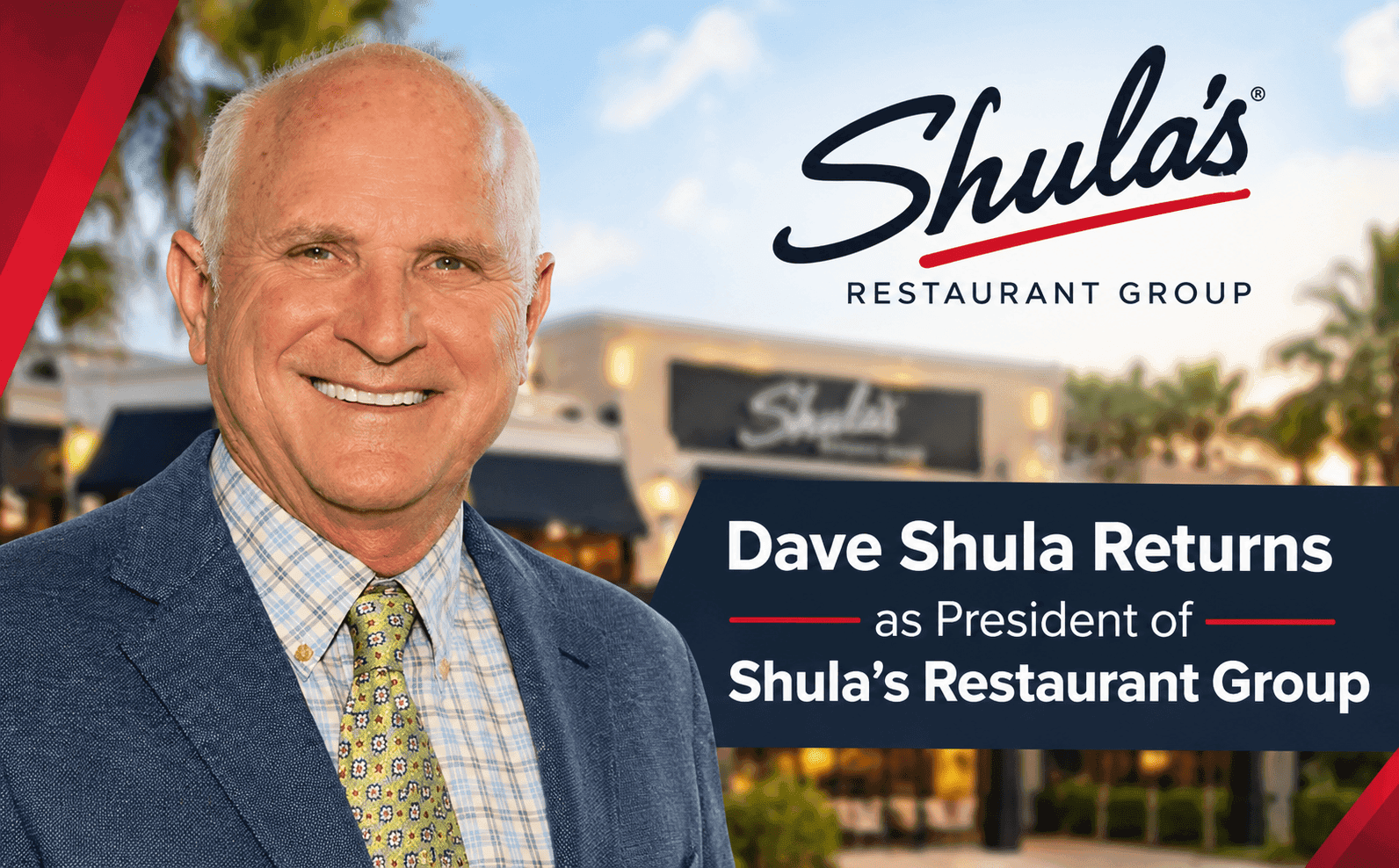
Dave Shula Returns as President of Shula's Restaurant Group
Dave Shula rejoins Shula's Restaurant Group as president, leading growth into Palm Beach Gardens and a 2027 Thomasville, Georgia expansion.
News
Sep 23, 2026
Dave Shula rejoins Shula's Restaurant Group as president, leading growth into Palm Beach Gardens and a 2027 Thomasville, Georgia expansion.
Sep 23, 2026
McDonald's commits $8.5 billion through 2036 to modernize restaurants, boost cash flow by $100,000 per store, and grow chicken and beverage sales.
Sep 23, 2026
WKS Restaurant Group promotes Jay Spongberg to president and COO after he helped grow the company from 65 to 382 restaurants over 16 years.
Sep 23, 2026

Smokey Mo's BBQ names Von Dawson, a Dine Brands veteran, as VP of Franchise Development to lead its Texas expansion strategy.
Sep 23, 2026
.png&w=3840&q=70)
Meritage Hospitality's Chapter 11 filing pulls 5% of Wendy's U.S. stores into bankruptcy, exposing cracks in franchising's bigger-is-safer bet.
Sep 21, 2026
Jack in the Box names Rachel Ruggeri to its board as Michael Murphy retires, amid a CEO transition and deal with investor GreenWood.
Sep 21, 2026

Restaurant inventory tracking helps owners monitor stock, control food costs, reduce waste, improve purchasing, and make informed operational decisions.
Sep 21, 2026
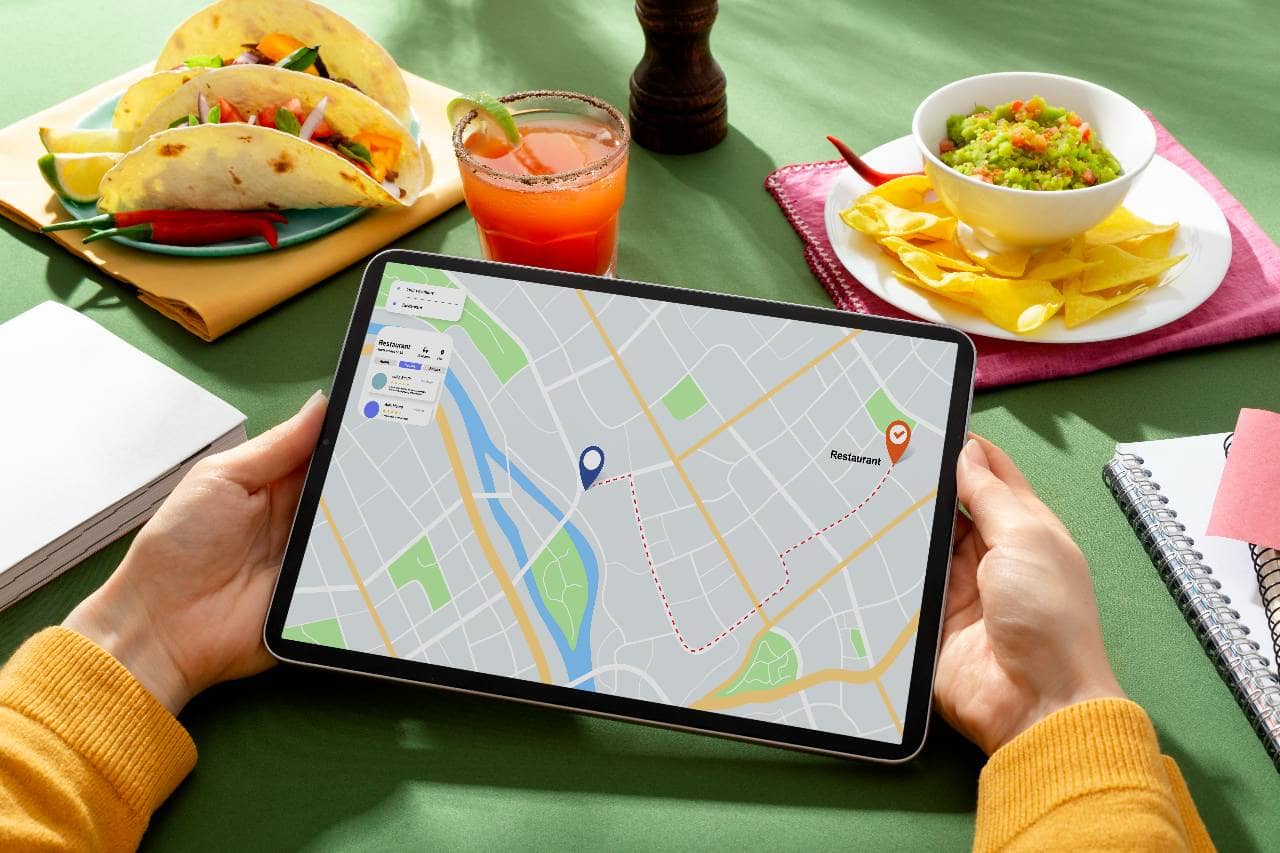
Improve restaurant Google Maps rankings by optimizing your business profile, selecting accurate categories, gathering reviews, adding photos, and strengthening local relevance signals.
Sep 21, 2026
Restaurant owners can significantly reduce restaurant costs by leveraging technology across inventory, labor, procurement, forecasting, and administrative operations for better profit margins.
Sep 18, 2026

Understand how to forecast restaurant revenue and expenses with methods for sales projection, cost scaling, fixed-cost planning, and risk buffering.
Sep 18, 2026

Unlock Exclusive Access To Webinars, Events, And The Latest News For Free!
Restaurants must depend on the efficiency of their supply chains in order to meet customer demand. Find out how to optimize the restaurant supply chain process.
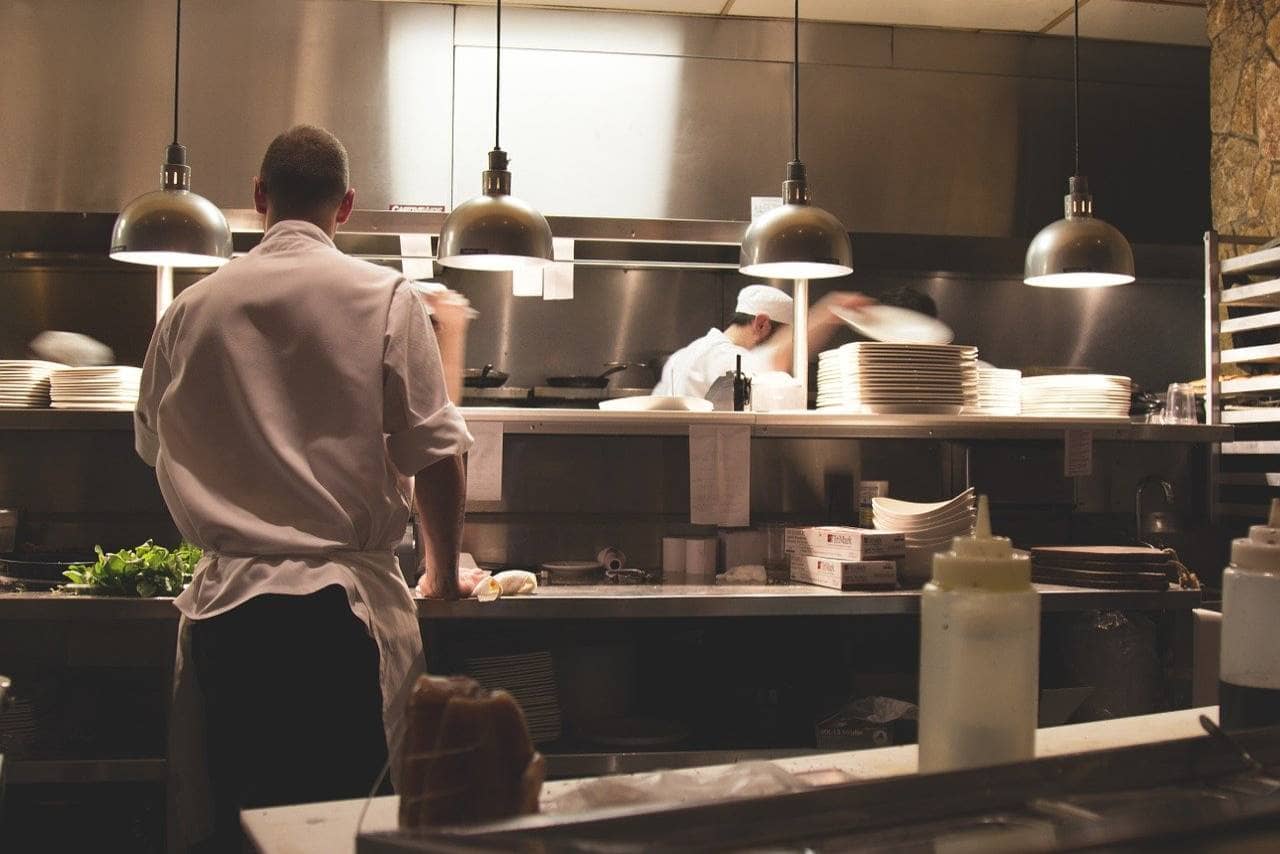
The success of any restaurant is dependent on the supply chain it establishes to stock their kitchen with ingredients. With the rapid advancement of technology, the methods of inventory replenishment are quickly transforming. Restaurants today are slowly turning to third party retailers online to meet their supply demands. Approximately 12% of restaurants are currently utilizing online third-party sellers to stock up their restaurants, while 40% of purchase supplies from online services on a monthly basis. These statistics are only getting higher by the year and it's prudent for restaurants to think of their supply chains not only by what's been done in the past but also by focusing on more efficient and cost-saving ways for the future.
A restaurant supply chain is a process whereby restaurants establish a relationship with suppliers and distributors to produce menu items and meet customer orders. This can involve purchasing anything from food, beverages, napkins, plastic cups, and more. The food and beverage industry is dependent on the relationships that are established with vendors because one disruption in the chain management system could result in restaurants not being able to adequately serve their customers. This is why it is incredibly important for restaurants to closely manage their supply chain networks. Keeping close tabs on the supply chain to ensure that it is operating efficiently can mean lower costs and more revenue. Since distributors in the supply chain are a restaurant's primary source of replenishment, disruptions to any of the ingredient suppliers can cause shortages in the kitchen. If restaurant supply chain disruptions do occur, it can force establishments to search for emergency suppliers and drive up last-minute inventory purchasing costs.
There are many different ways to improve your supply chain. These are just six measures restaurants can implement to get the most out of their suppliers and the money they spend on inventory purchasing. 1. Acting on Changes in Demand in Real-Time The benefit of relying on a digital supply chain tracking system is that it should offer insights that ultimately lead to actions. The digital management of a restaurant's network of suppliers should be able to detect changes in demand, correct any supply forecasts in response, and coordinate with suppliers on restocking the products appropriately. This must all be done in real-time and in response to changes in customer demand. 2. Consolidating Logistics and Warehouses Simultaneously optimizing costs relating to transportation and inventory is another way to increase efficiency. This entails better optimizing the supply chain by turning to a demand-driven distribution of products rather than one that is fixed on a set schedule. 3. Tracking Where Your Supply Comes From As a restaurant, serving food that is safe to consume is of the utmost importance. Thus, if there is an outbreak involved with the raw foods you receive, it's important for restaurants to be able to trace where the outbreak occurred. Food and beverage businesses utilizing automated inventory ordering systems are able to track this information and all purchase orders digitally. 4. Managing Your Promotions Restaurants that offer promotions to their customers need to make sure that they won't run out of their current supply if the promotion is a success. Thus, management needs to be certain that product shortages won't occur by checking their quality management system to see their suppliers' distribution inventory. Before any promotion is offered, restaurants need to know if the demand will be there and that accurate forecasting projections are in place. Ensuring that customer demands and forecasting models are accurate will help to prevent wastage and will save the restaurant valuable capital spent on excess stock.

A crucial component of the restaurant supply chain process is inventory replenishment. This important step can be easily automated using inventory ordering software to streamline supply chain and restocking procedures. Here are some benefits of using inventory ordering software.