Jay Spongberg Named President, COO of WKS Restaurant Group
WKS Restaurant Group promotes Jay Spongberg to president and COO after he helped grow the company from 65 to 382 restaurants over 16 years.
News
Sep 23, 2026
WKS Restaurant Group promotes Jay Spongberg to president and COO after he helped grow the company from 65 to 382 restaurants over 16 years.
Sep 23, 2026

Smokey Mo's BBQ names Von Dawson, a Dine Brands veteran, as VP of Franchise Development to lead its Texas expansion strategy.
Sep 23, 2026
.png&w=3840&q=70)
Meritage Hospitality's Chapter 11 filing pulls 5% of Wendy's U.S. stores into bankruptcy, exposing cracks in franchising's bigger-is-safer bet.
Sep 21, 2026
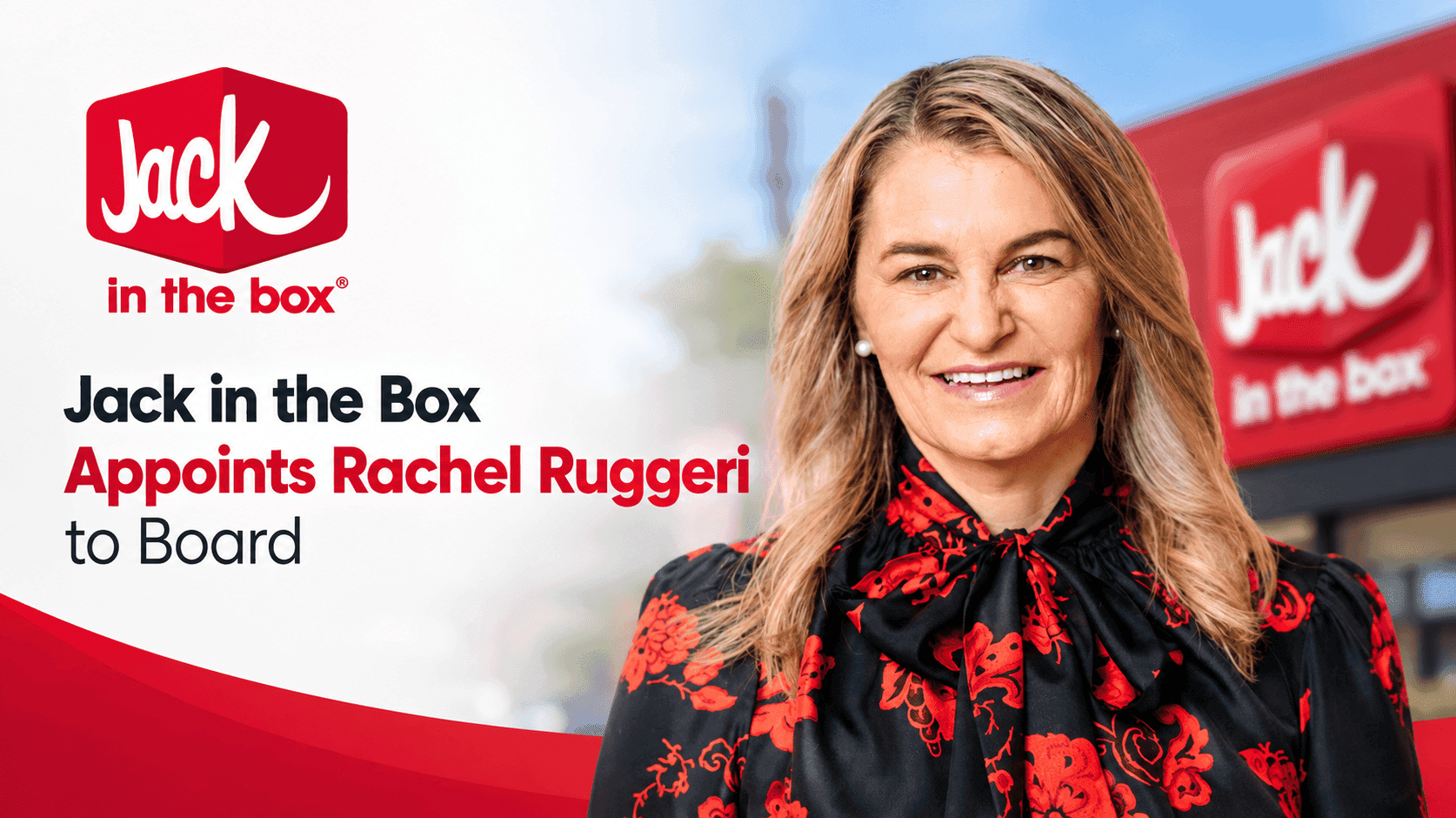
Jack in the Box names Rachel Ruggeri to its board as Michael Murphy retires, amid a CEO transition and deal with investor GreenWood.
Sep 21, 2026

Restaurant inventory tracking helps owners monitor stock, control food costs, reduce waste, improve purchasing, and make informed operational decisions.
Sep 21, 2026
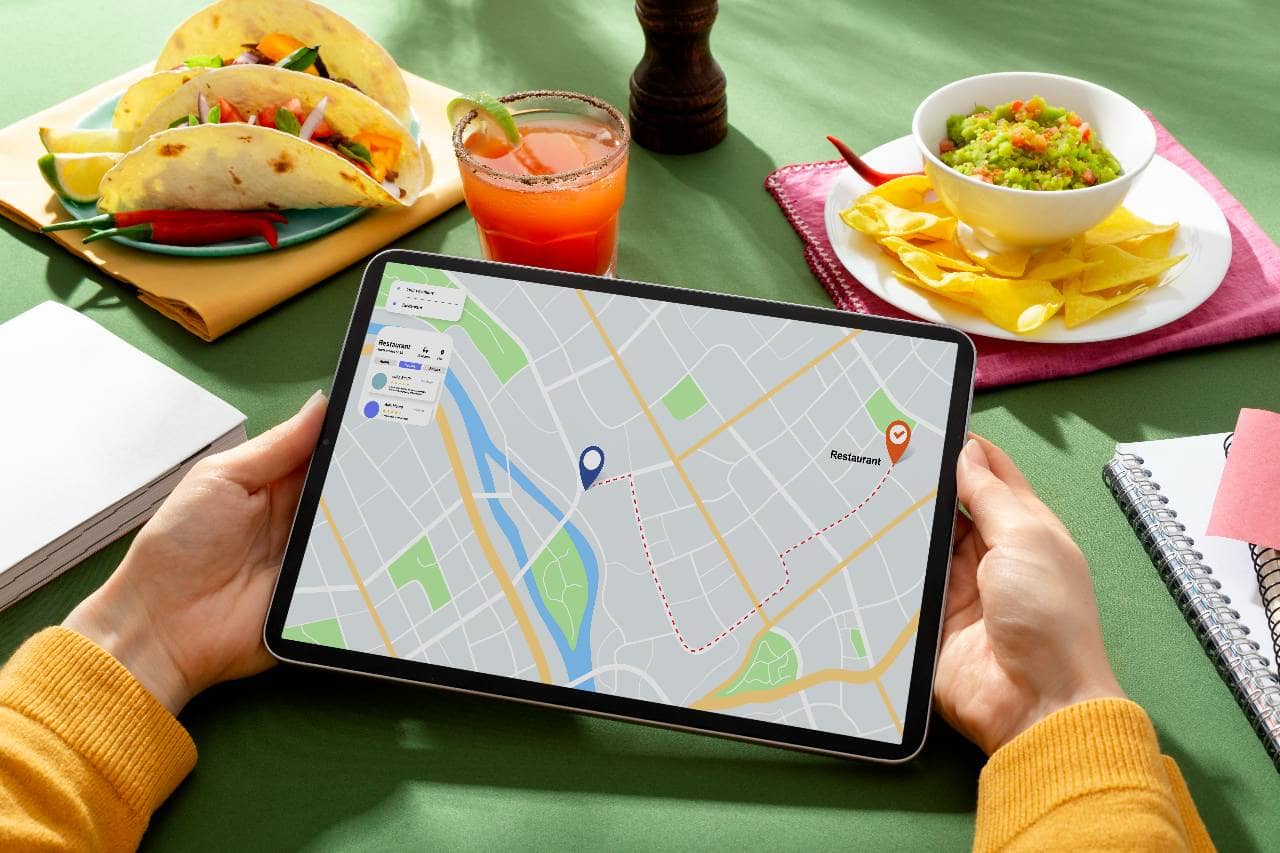
Improve restaurant Google Maps rankings by optimizing your business profile, selecting accurate categories, gathering reviews, adding photos, and strengthening local relevance signals.
Sep 21, 2026
Restaurant owners can significantly reduce restaurant costs by leveraging technology across inventory, labor, procurement, forecasting, and administrative operations for better profit margins.
Sep 18, 2026
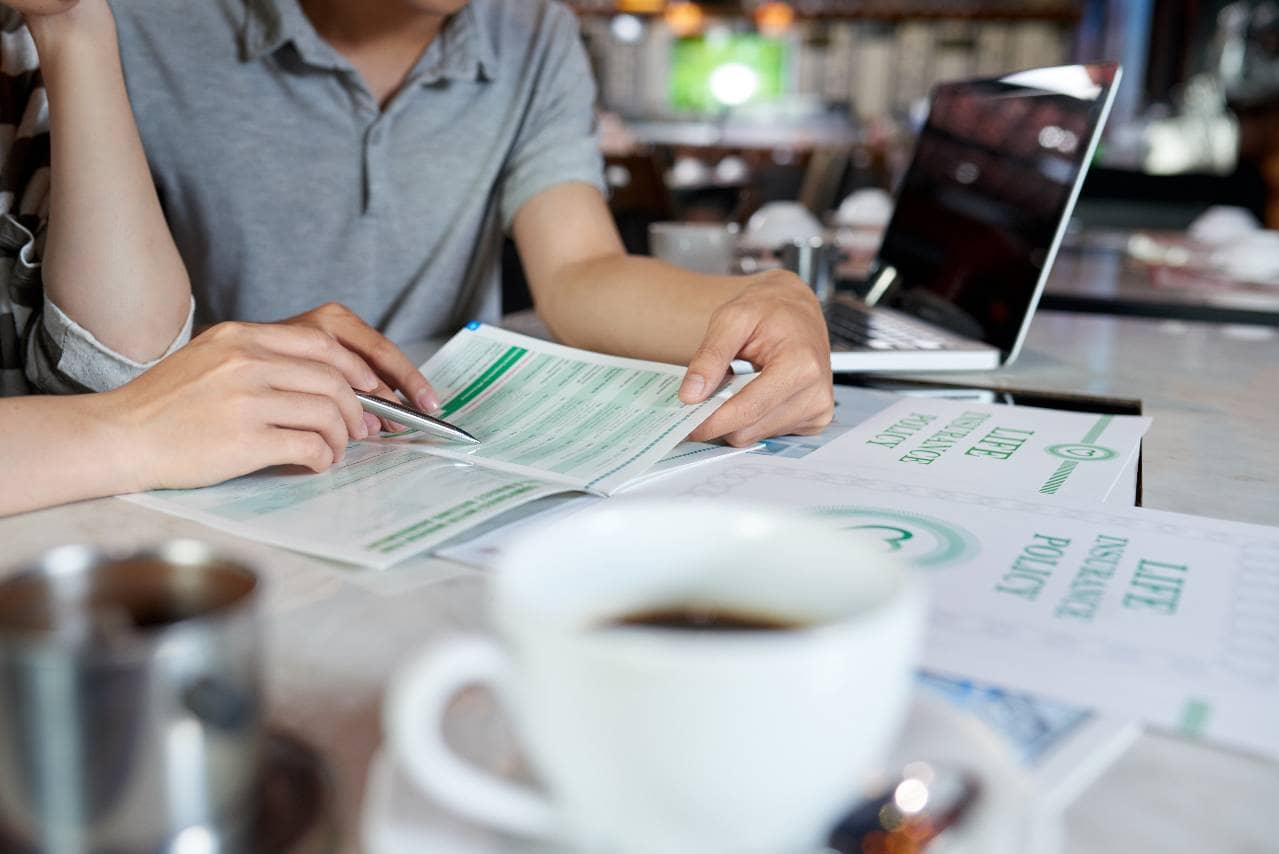
Understand how to forecast restaurant revenue and expenses with methods for sales projection, cost scaling, fixed-cost planning, and risk buffering.
Sep 18, 2026

everbowl names Anna Gabele Brand President and Natalie Trzcinski COO, pulling both from Jack in the Box to guide its next growth phase.
Sep 18, 2026

Mountain Mike's Pizza hires Jack in the Box veteran Sheena Dougher as CMO to drive national growth while preserving its regional brand identity.
Sep 17, 2026

Unlock Exclusive Access To Webinars, Events, And The Latest News For Free!
The new verification process by DoorDash, the delivery app, requires drivers to determine if the customer is intoxicated or not. It has now raised questions about the drivers' qualifications.
In a bid to control the number of minors ordering alcohol via its delivery system, DoorDash is rolling out a two-step verification system. The delivery app is now putting the responsibility of curbing underage drinking in the hands of its drivers and customers. There was a need for checks to be put in place, as underage drinking is already a problem in the US. The pandemic gave a boost to home delivery of alcohol when people were stuck at home, and many states in the US allowed restaurants to deliver alcohol to homes. Even DoorDash agreed that alcohol delivery is profitable for vendors, as it increases the order value by 30-50%. In an investigation carried out by the Department of Alcoholic Beverage Control (ABC), many of the 200 orders placed for alcohol were ordered by decoy minors, and 80% of the deliveries made by on-demand apps were made without any proper ID checks. Hence, DoorDash's verification process is a much-needed step in the right direction.
Delivery app DoorDash announced its two-step verification process for ordering alcohol through the system on July 20, 2022. The app has already expanded its alcohol ordering service in 2021 to all states and also offers the service in Canada and Australia. "The reason for setting up the verification process is to ensure that they deliver the alcohol in the most responsible and safest way possible," said Erik Ragotte, DoorDash general manager of alcohol, in a press release. He added that they are setting a new standard for responsible alcohol delivery. The company also said they will work on finding better methods to make sure that minors are not able to order alcohol through the app. The company is already working with organizations like Responsibility.org, the National Association of Women Law Enforcement Executives, and Students Against Destructive Decisions toward the same goal. The delivery app has already tested the pilot version of the verification program in areas like Dallas, Detroit, Phoenix, Miami, Portland, Seattle, Oregon, and Northern Virginia.
As discussed, the delivery app has already pilot-tested the verification system in several areas in the United States. Let us now look at how the two-step verification process works-
After many states restricted norms on alcohol delivery during the pandemic, it was found that many minors were taking advantage of contactless delivery to order alcohol without any proper checks. While the go-ahead was given for alcohol delivery, the exact Liquor Laws vary from state to state. The basic rules require food as part of orders with the mixed drink. The rules also state that drinks have to be in tamper-proof packaging or containers. Some rules also put a cap on the number of cocktails that can be ordered per meal. But the new verification process by DoorDash, which requires drivers to determine if the customer is intoxicated or not, has raised questions about the driver's qualification to determine if a customer is drunk or not as a bartender does. Most bartenders are given professional training and have certification to judge when to cut off a drunk customer. There are also professionals available for help if a customer gets out of hand after being cut off. DoorDash has said that it is offering guidance and a course to drivers on responsible alcohol delivery. The only way a driver can determine if a customer should be refused delivery is when they are standing in front of them. Hence, they may not be safe from an aggressive customer after being refused delivery, unlike bartenders as there are bouncers who can check aggressive customers. The rule can also inconvenience customers, as the driver has barely a minute to determine if a customer is drunk. They can be denied even if they are not drunk, as the driver doesn't have the right training. In the end, the responsibility to ensure that alcohol is not delivered to a minor is in the driver's hands and not DoorDash.
When the pandemic forced restaurants to shut down and they were struggling, many states gave their dwindling revenues a boost by allowing the sale of cocktails to-go, either through takeout, home delivery, or curbside pickup. But along with the positives came the negatives of underage drinking. Understaffed alcohol enforcement agencies have to also check if bars and restaurants are labeling and packaging correctly. They also have to ensure that food is being ordered with alcohol, as per local Liquor Control law requirements. Most importantly, they also have to monitor if drivers are checking IDs during delivery to curb underage drinking. Purchasing alcohol has become easier now, as there are many online options available with supermarkets selling six-packs on Instacart, restaurants offering wine and cocktails via UberEats and DoorDash, and apps like Drizly delivering hard liquor in under an hour. The sheer convenience and lack of need for human interaction have ensured alcohol on-demand is here to stay. Relaxation of laws has also made it possible for the service to become permanent and there is a rush to seize a chunk of the delivery market by striking deals. The popularity of alcohol on-demand can also be gauged by the fact that DoorDash reported delivery people earning around 30% more on deliveries for alcoholic beverages.
As per reports by the National Institute on Alcohol Abuse and Alcoholism, underage drinking is a serious problem in the United States. As per a report, about 24% of 14-15-year-olds said that they have had at least one alcoholic drink, and about 7 million people in the 12-20 age bracket said that they have had alcohol. The bad effects of alcohol consumption, like aggressive behavior, violence, injuries, property damage, and deaths, are a nationwide concern. There is also a need to promote responsible drinking. Easy access to alcoholic beverages increases the risk of misuse and abuse. There is mounting pressure on delivery apps to take steps to verify consumers' age before selling alcohol. Therefore, a step like DoorDash's verification process is a step that is much needed, but there is a lot of work that still needs to be done. But it is not easy, as the apps are trying to work through unclear and outdated laws and regulations like the exact time of ID check during purchase or delivery. Most delivery drivers are often underpaid and overworked, and hence can slack off while carrying out checks. Therefore, there is a need to rework laws and lay out clear outlines for the ordering and delivery of alcohol.
As per a report by the National Restaurant Association, there is a growing preference for having alcohol at home. There are concerns over easier access to alcohol leading to an increase in cases of substance abuse. At least 11 states are allowing third-party delivery apps such as DoorDash to provide alcohol delivery, and New Jersey and Pennsylvania are debating bills to make to-go cocktails permanent. With changes to the law, there is also a need for more responsibility, not just from delivery apps and restaurants but also from enforcement agencies. The National Liquor Law Enforcement Association has already recommended random, quarterly compliance checks. It has also asked for servers, bartenders, and delivery drivers to be trained in alcohol policies and how to check IDs properly.