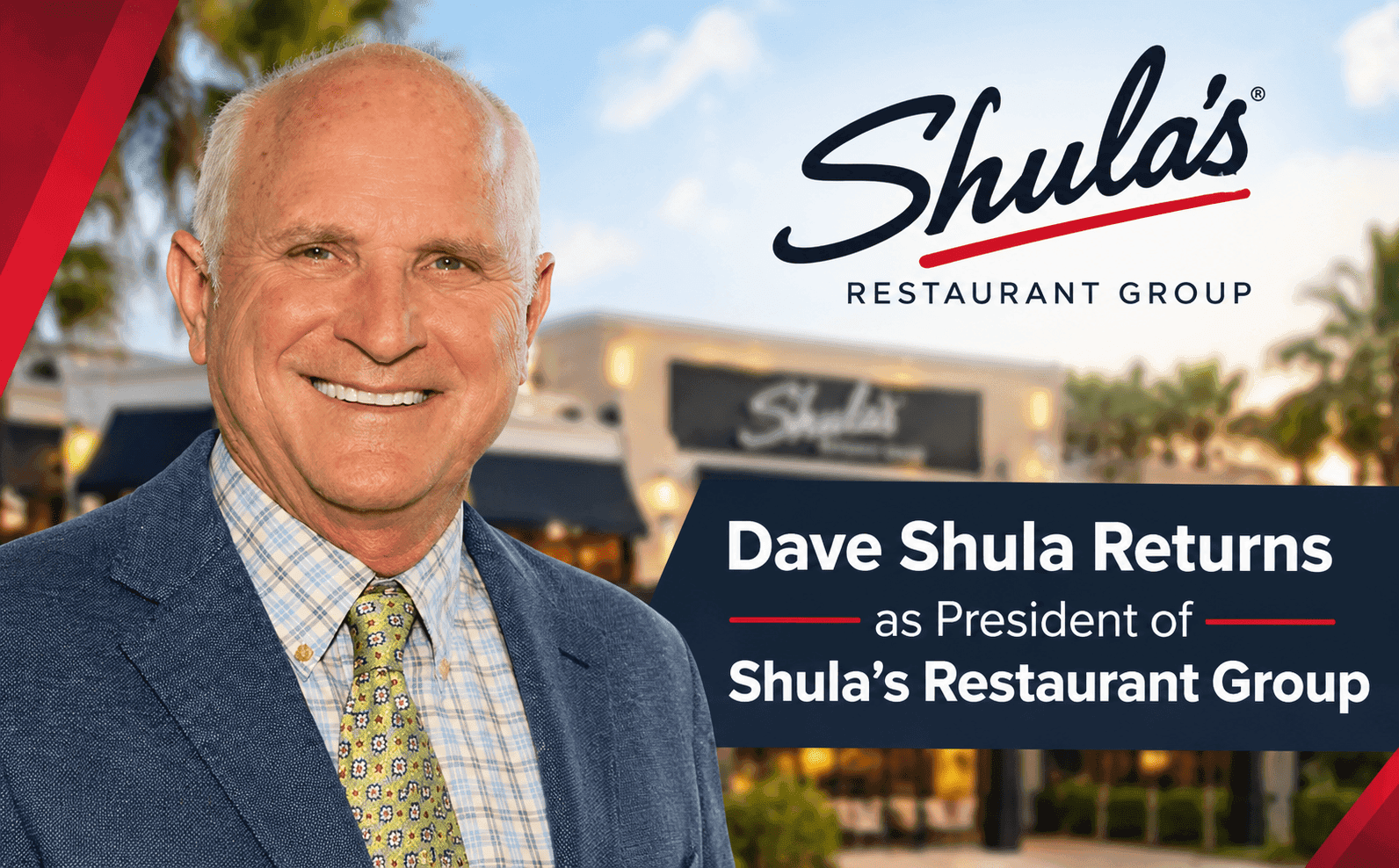
Dave Shula Returns as President of Shula's Restaurant Group
Dave Shula rejoins Shula's Restaurant Group as president, leading growth into Palm Beach Gardens and a 2027 Thomasville, Georgia expansion.
News
Sep 23, 2026
Dave Shula rejoins Shula's Restaurant Group as president, leading growth into Palm Beach Gardens and a 2027 Thomasville, Georgia expansion.
Sep 23, 2026
McDonald's commits $8.5 billion through 2036 to modernize restaurants, boost cash flow by $100,000 per store, and grow chicken and beverage sales.
Sep 23, 2026

WKS Restaurant Group promotes Jay Spongberg to president and COO after he helped grow the company from 65 to 382 restaurants over 16 years.
Sep 23, 2026

Smokey Mo's BBQ names Von Dawson, a Dine Brands veteran, as VP of Franchise Development to lead its Texas expansion strategy.
Sep 23, 2026
.png&w=3840&q=70)
Meritage Hospitality's Chapter 11 filing pulls 5% of Wendy's U.S. stores into bankruptcy, exposing cracks in franchising's bigger-is-safer bet.
Sep 21, 2026
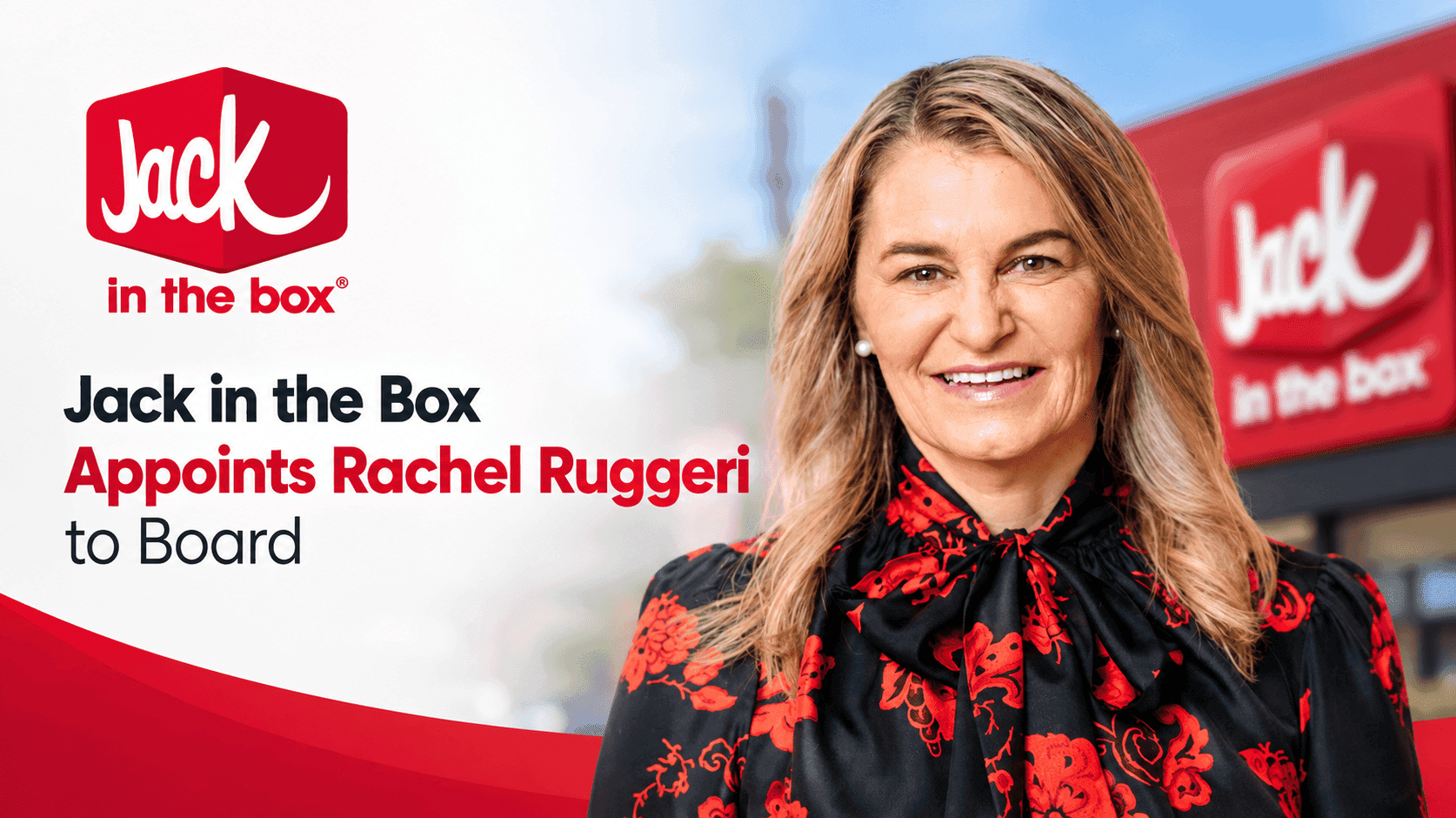
Jack in the Box names Rachel Ruggeri to its board as Michael Murphy retires, amid a CEO transition and deal with investor GreenWood.
Sep 21, 2026

Restaurant inventory tracking helps owners monitor stock, control food costs, reduce waste, improve purchasing, and make informed operational decisions.
Sep 21, 2026
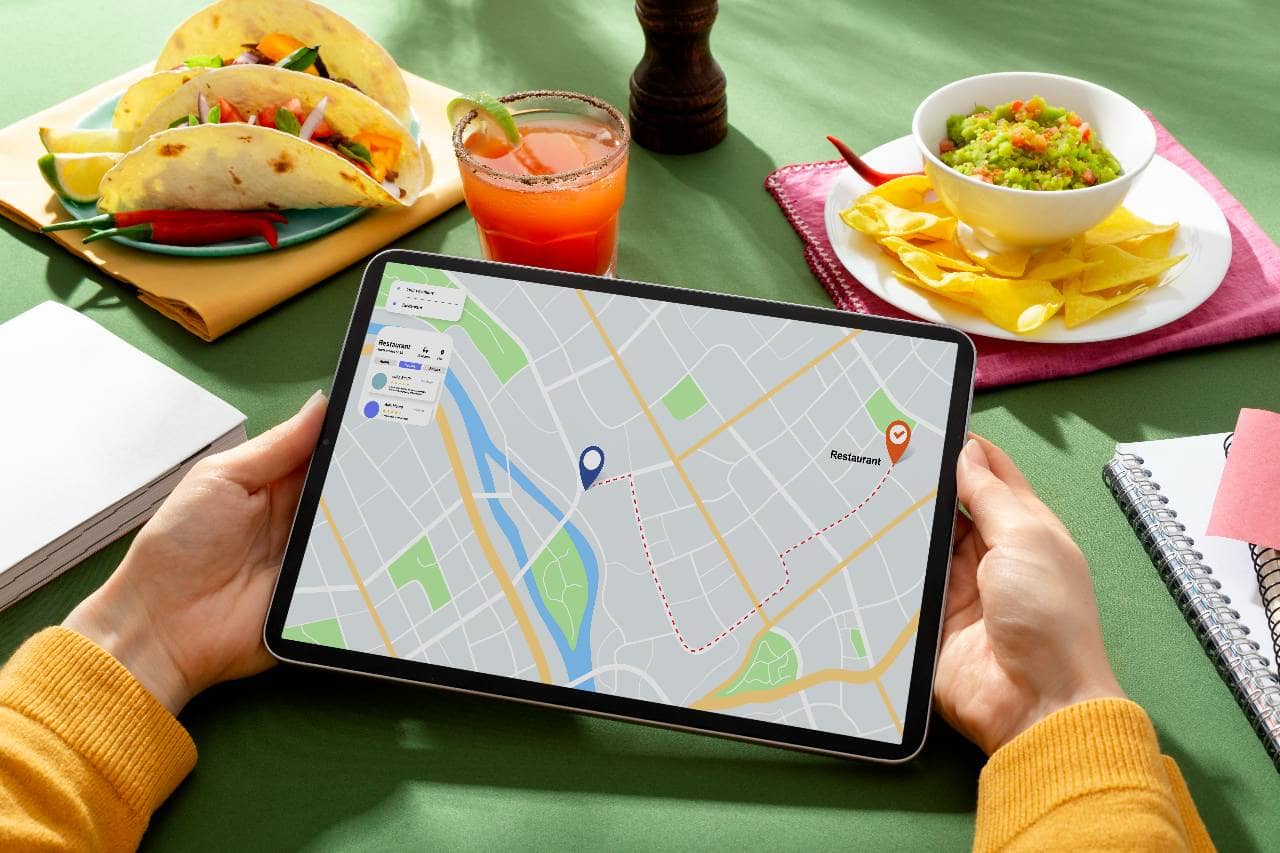
Improve restaurant Google Maps rankings by optimizing your business profile, selecting accurate categories, gathering reviews, adding photos, and strengthening local relevance signals.
Sep 21, 2026

Restaurant owners can significantly reduce restaurant costs by leveraging technology across inventory, labor, procurement, forecasting, and administrative operations for better profit margins.
Sep 18, 2026

Understand how to forecast restaurant revenue and expenses with methods for sales projection, cost scaling, fixed-cost planning, and risk buffering.
Sep 18, 2026

Unlock Exclusive Access To Webinars, Events, And The Latest News For Free!
An optimized food management system allows operators to streamline inventory management, logistics, and prevent food safety problems. Here are the ultimate benefits of food management systems.
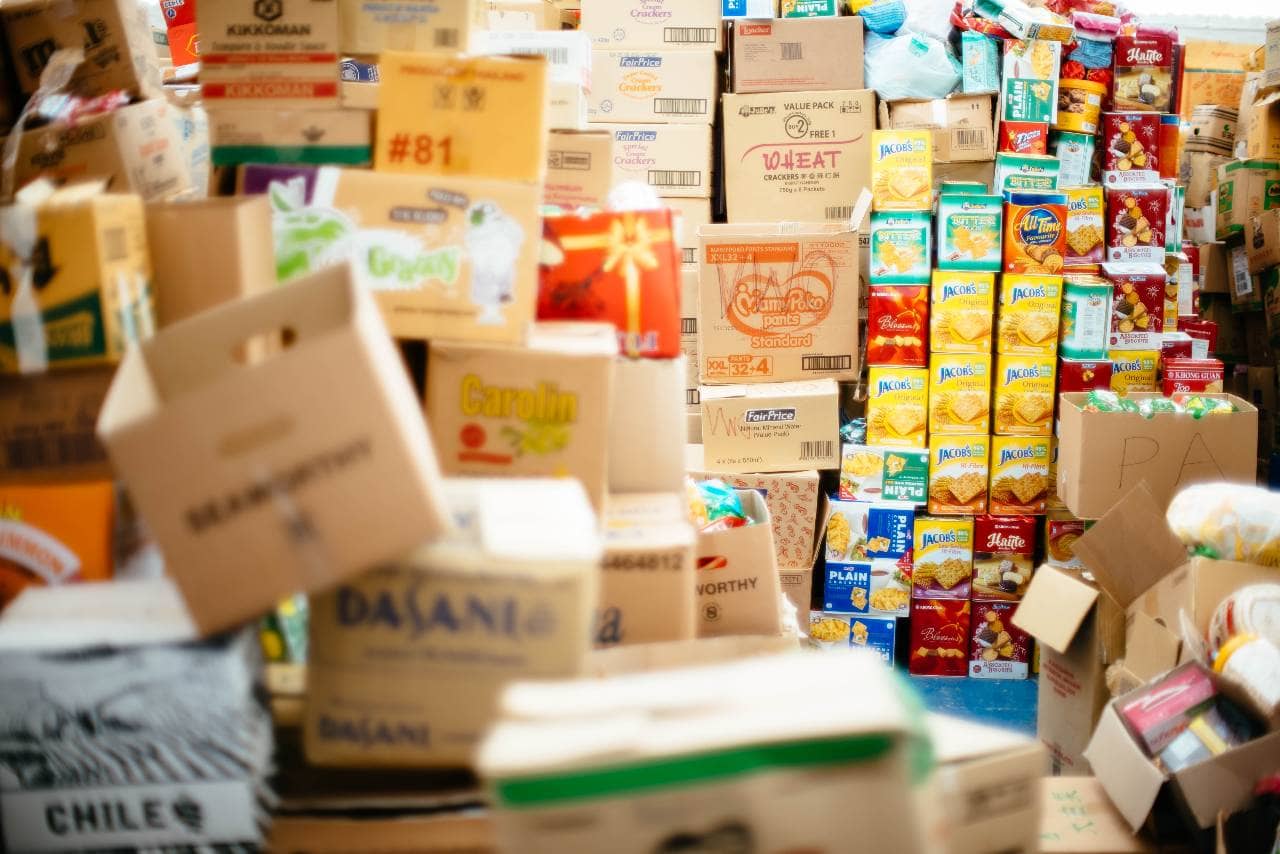
Over time, the food service industry has faced new challenges. COVID-19 increased regulations, and globalization has forced food operators to adapt in ways they never had to. Navigating the complexities of food management requires expertise and extensive training in safety practices and quality control. An increase in consumer desire for traceability has also proved challenging, particularly for smaller operators with minimal resources. Unfortunately, many restaurants and grocers have struggled and failed to meet these requirements. Developments in technology have provided a solution for those seeking to streamline the entire supply chainprocess and meet complex requirements. Successful participants in the food industry have utilized an optimized software solution that alleviates the pressure to comply with regulations and meet consumer needs. The benefits of these solutions cannot be understated, as many of them have saved struggling restaurants and grocers during one of the more challenging times in history. Read ahead for a comprehensive guide to food management systems and their advantages.
Food management is an extensive operation that entails the supervision of food picking, preparation, exhibition, and conservation. The food industry requires a variety of workers, inspectors, and managers to oversee every part of the operation to make certain that each item is quality, nutritious, and safe to eat. It is also necessary to closely supervise the process to comply with local and FDA-based regulations. The primary goal of food management is to make certain that every item sold to restaurants, grocers, and businesses is high-quality and meets safety standards. Because of this important responsibility, food inspectors need to make sure preparation spaces are sanitized and contamination-free, as well as ensure that all packaged items are stored properly at the appropriate temperatures throughout transport. Software solutions have provided a way for operators to streamline and automate these tasks throughout the supply chain. The top benefits of utilizing a food management system include-

Violating food safety regulations is no longer a minor offense. Processors need to comply with complex regulations to stay open and avoid penalties, including the FSMA, or the Food Safety Modernization Act. The FSMA is gradually transforming the United States' food safety system by focusing on preventing foodborne illnesses, rather than responding to them. The FSMA consists of six major rules, including-

Monitoring food temperatures, packaging, and humidity levels are essential requirements in food management. Operators need to comply with regulations, maintain customers, and prevent contamination by ensuring food is stored properly at the right temperature during transport. Before the development of modern technology systems, many operators had no choice but to put their trust in transporters and suppliers to perform their jobs properly. Nowadays, technology systems combine software, built-in temperature monitoring devices, and mobile tablets to collect and store valuable real-time food data from any location. These technology systems allow operators to streamline logistics, ensure their suppliers are following safety rules, and have greater visibility into the supply chain and processing facilities. RFID or Radio Frequency Identification is a newer data collection system that identifies food items through low-power radio waves. This allows operators to track food inventory and streamline the re-ordering process. Over time, using these systems helps to save money by preventing over-ordering, spoilage, and food waste. It also holds everyone accountable by requiring employees to go to the location of the RFID tag and check its temperature. This helps to prevent inaccurate temperature readings, guesswork, fraud, and spoilage from occurring.

Because software solutions can integrate with mobile devices, managers can monitor their food data from any location. Authorized individuals can update inventory, address suspicious activity, or pinpoint inefficiencies both on-site and off-site. Automated data collection allows everyone to know what's happening in real-time, resulting in improved communication and collaboration among all involved stakeholders. Instant notifications are sent if there is out-of-the-ordinary data input, allowing managers to address inventory and logistics problems before they become more serious. Food quality and safety data are monitored in real-time, which helps to improve traceability in the supply chain. As a result of streamlining the food management system, consumer satisfaction increases, food items are of higher quality, and safety requirements are met. There is also more assurance that involved stakeholders are complying with FSMA or other local regulations.
In conclusion, here are the key points to remember about food management solutions and its benefits-