Hardee's Taps Alisa Gmelich as New President
CKE Restaurants names marketing veteran Alisa Gmelich President of Hardee's, tasking her with rebuilding franchisee trust and driving growth.
News
Oct 7, 2026
CKE Restaurants names marketing veteran Alisa Gmelich President of Hardee's, tasking her with rebuilding franchisee trust and driving growth.
Oct 7, 2026
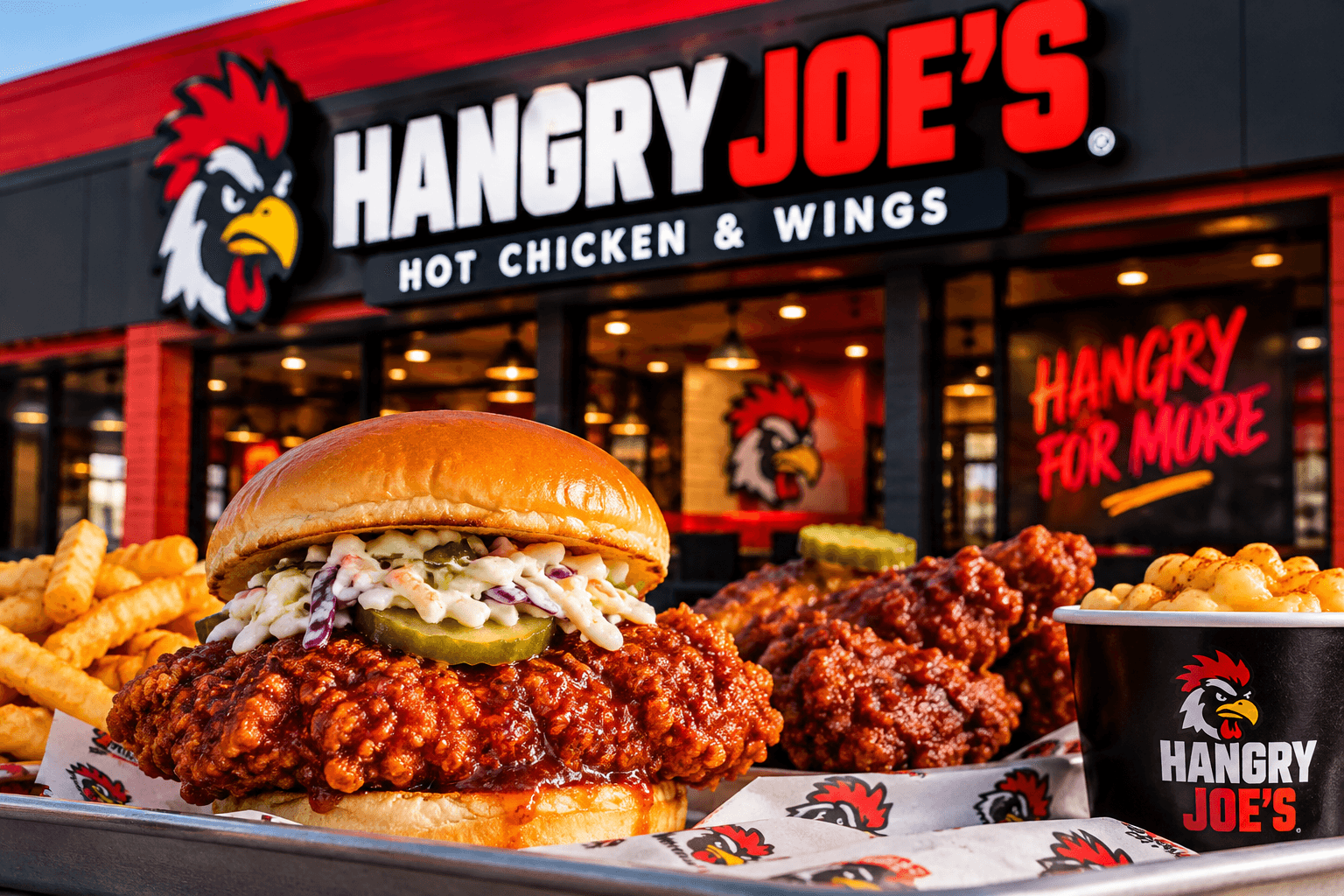
Hangry Joe's promotes insider Brandon Wilhelm to CEO, prioritizing franchisee profitability over rapid unit growth as the chain expands past 90 locations.
Oct 6, 2026
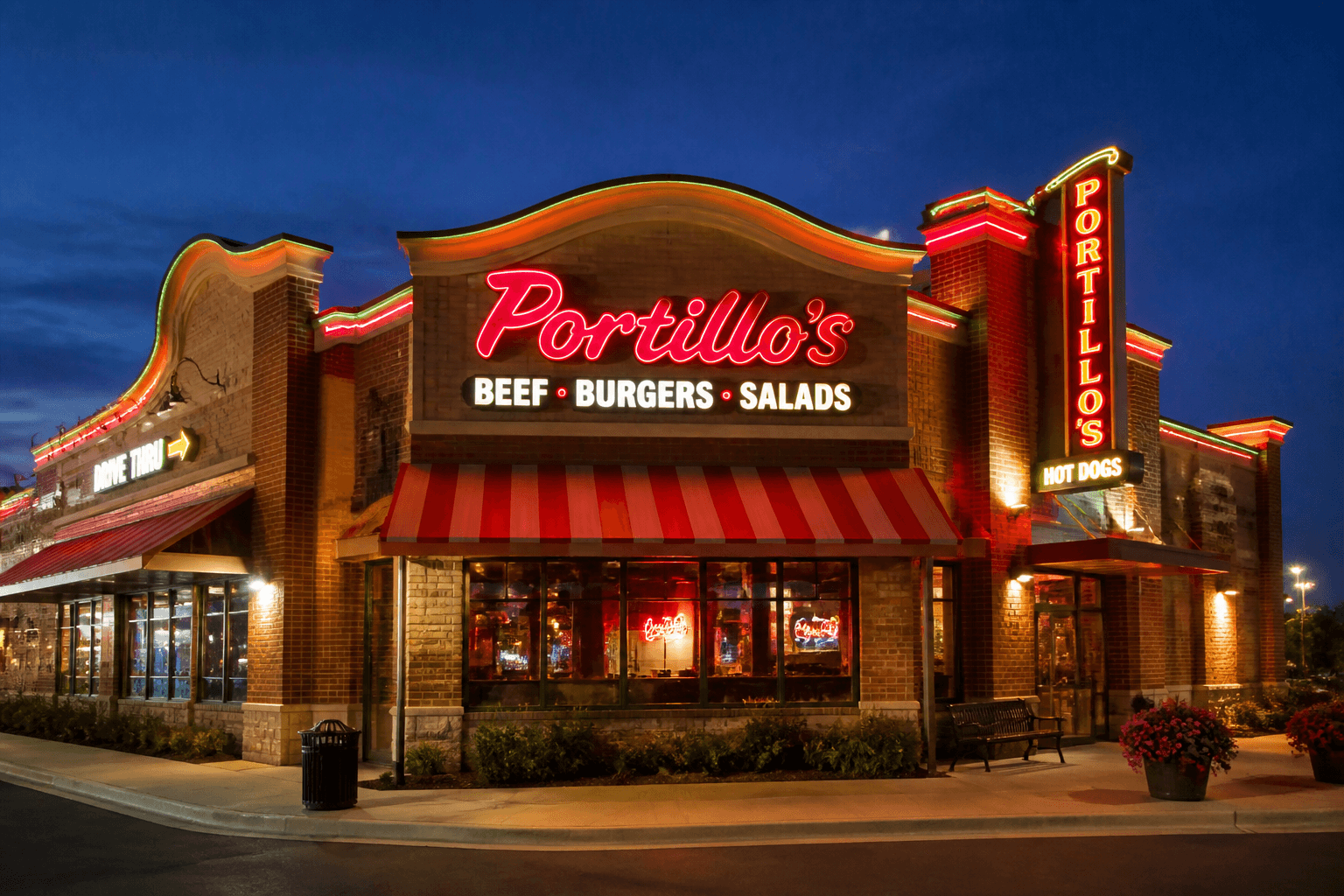
Portillo's chief people officer Jill Waite departs as new CEO Brett Patterson reshapes leadership with layoffs and fresh executive hires.
Oct 6, 2026
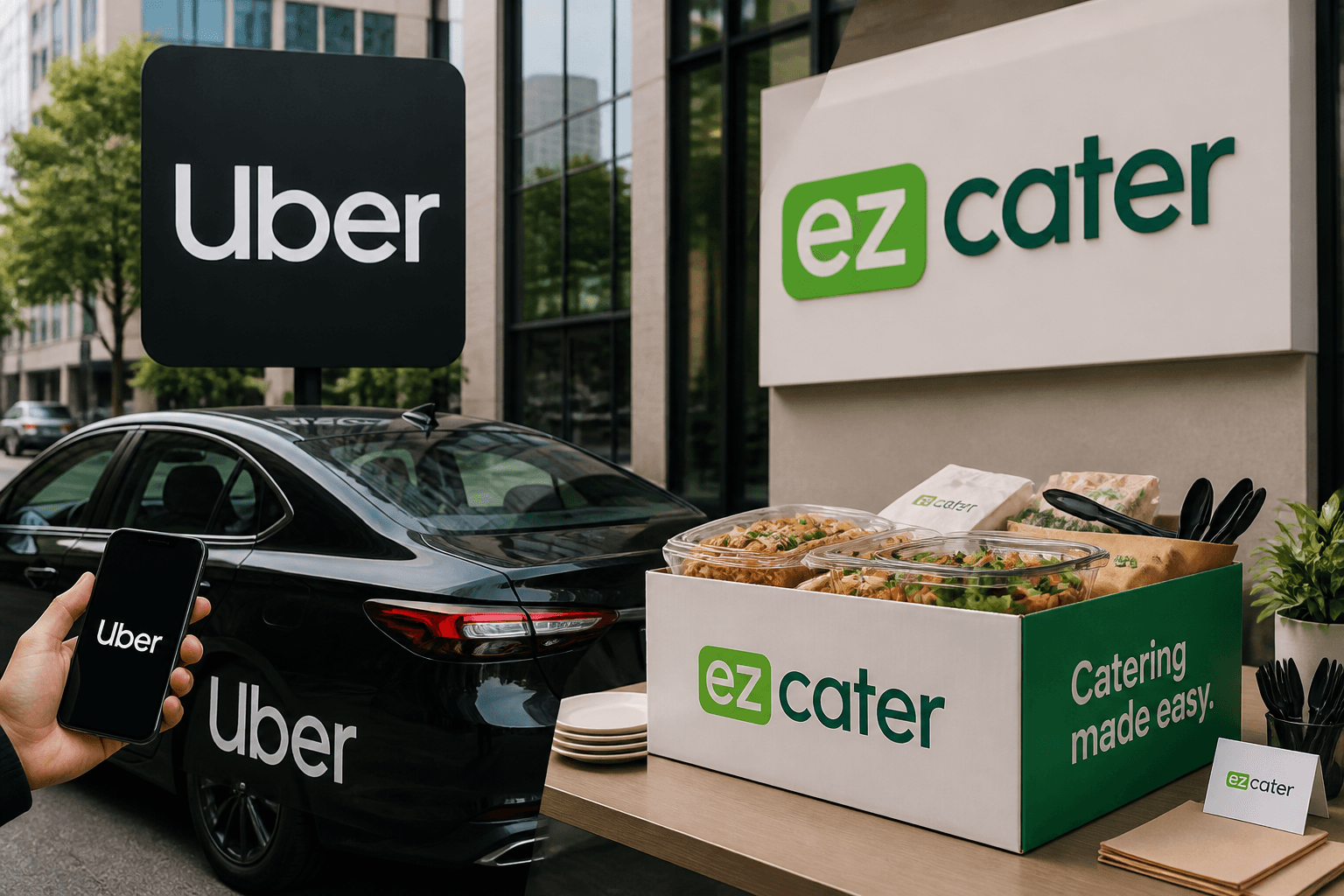
Uber is paying $2.3 billion to acquire ezCater, merging its catering network into Uber Eats and Uber for Business to enter workplace catering.
Oct 6, 2026
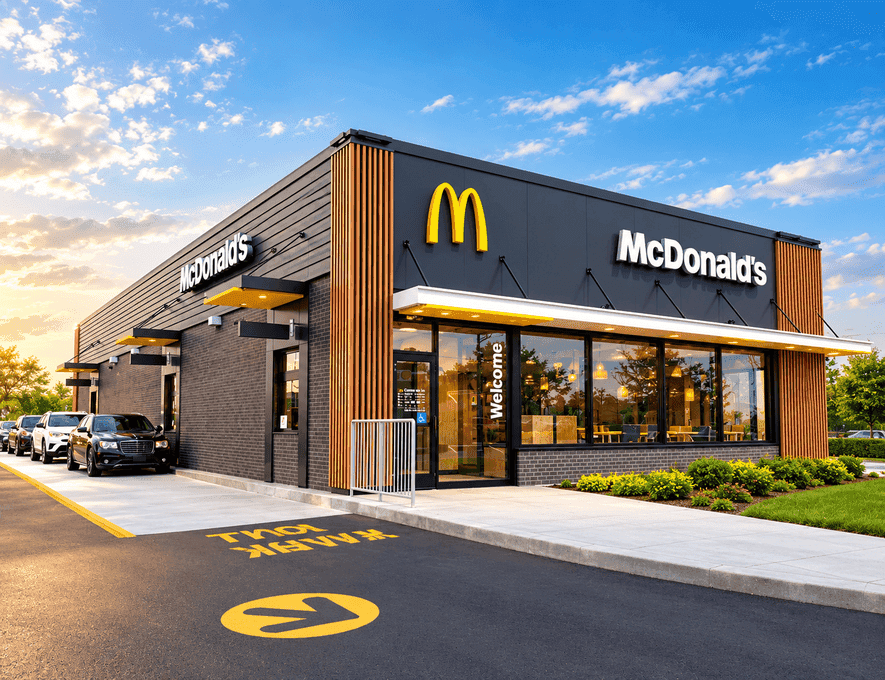
A new lawsuit claims McDonald's pricing tool pressures franchisees into algorithmic price-fixing, raising fresh antitrust questions for the chain.
Oct 6, 2026

True Food Kitchen filed for Chapter 11 bankruptcy, closing 12 locations and shrinking to 34 restaurants across 14 states amid $42.1 million in debt.
Oct 5, 2026

Snooze Eatery names industry veteran Amy Hom as COO, starting Sept. 28, to strengthen hospitality and operations ahead of its next growth phase.
Oct 5, 2026
Opening a second restaurant location requires readiness, clear goals, financial planning, funding, smart strategy, standardized operations, strong teams, and careful launch monitoring for sustainable growth.
Sep 30, 2026
Restaurants can control operating costs by tracking food, labor, rent, utilities, technology, marketing, and other expenses against sales.
Oct 5, 2026
Improve restaurant visibility with local SEO by optimizing Google Business Profile, targeting local keywords, managing reviews, and maintaining accurate online information.
Oct 5, 2026

Unlock Exclusive Access To Webinars, Events, And The Latest News For Free!
When your restaurant's POS system and inventory records don't connect, food cost reporting becomes unreliable. Here's how to close the data gap and regain control of your margins.
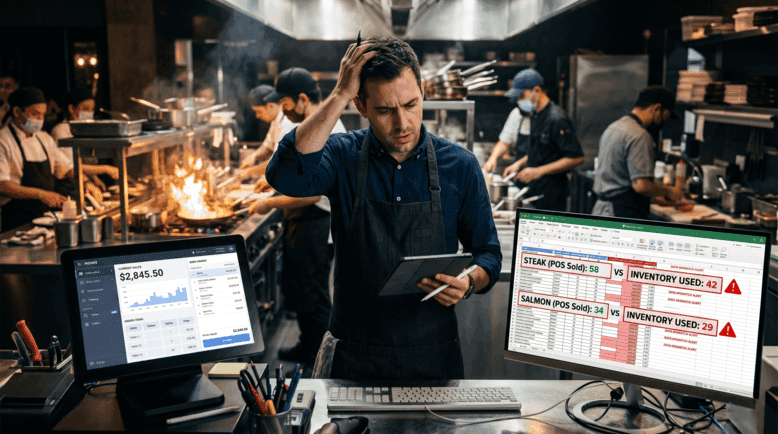
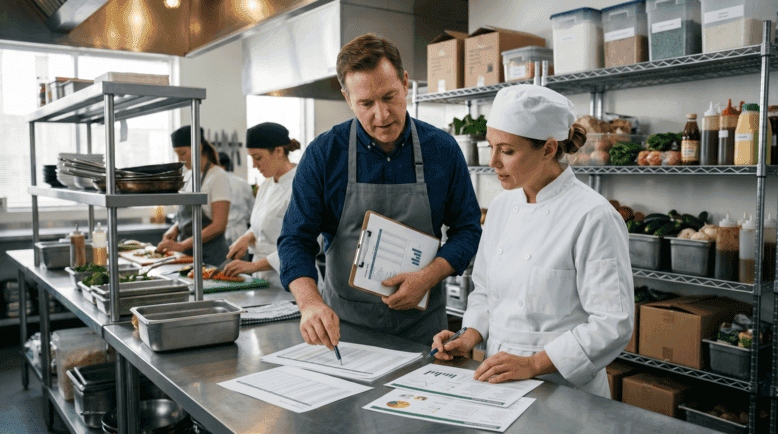
There is a fundamental assumption built into most restaurant cost management - that you know what you sold, and that your inventory reflects what was used to produce those sales. But in many operations, these two systems run in parallel without ever actually connecting. Your POS records what went out. Your inventory records what came in. But nobody is checking whether the numbers make sense together. When restaurant inventory and sales data are disconnected, you are managing your costs in the dark. Your ordering decisions are based on incomplete information. Your food cost calculations are unreliable. And the small daily losses that compound into significant monthly shortfalls stay completely invisible until the damage is already done.
In many restaurants, inventory and sales exist as separate administrative functions that happen to coexist in the same building. Someone counts stock. Someone else pulls POS reports. The two pieces of information may both be collected, but they are never put next to each other in a way that creates a meaningful comparison. Part of the problem is timing. Inventory is typically counted periodically, while sales happen in real time continuously. By the time a count is done, days of transactions have accumulated, and reconciling usage against sales requires either a solid integrated system or time-consuming manual work that most operators cannot sustain. Manual inventory processes make the problem worse. When counts are recorded on paper or in a basic spreadsheet, they are disconnected from your actual transaction data. Common contributors to the restaurant inventory and sales data gap include -
The most direct consequence is inaccurate ordering. If your inventory records do not accurately reflect what you have on hand, the quantities you order will be built on incorrect assumptions. You may order product you already have sitting in your walk-in. You may fail to reorder something you are about to run out of entirely. Beyond ordering, the financial consequences of disconnected data include -
Before you can fix the problem, you need to recognize it. Key indicators that your inventory and POS systems are operating in silos include -
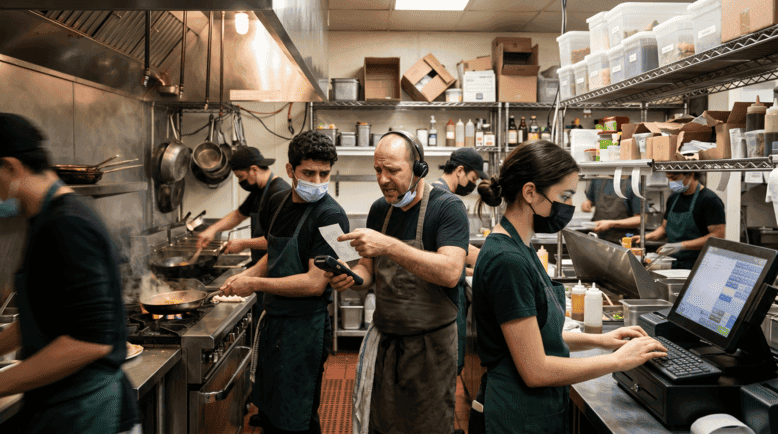
The foundation of connected restaurant inventory management is ensuring that your sales data informs your inventory picture in real time, or as close to real time as your systems allow. When a menu item is sold, the ingredients required to produce it should be deducted from your inventory count. This creates a running picture of theoretical usage that you can compare to your physical counts to identify variance. The gap between theoretical and actual usage is where your margin is going. Practical steps to close the inventory-sales gap in your restaurant include -
The goal is a kitchen where what your records say and what your shelves hold are as close to identical as possible, and where every item that leaves the kitchen can be traced back to a sale or a logged use. That alignment is not just an operational convenience. It is the foundation of accurate food cost reporting, reliable forecasting, and informed business decisions. Restaurants that achieve tight control over their food cost percentage are almost always the ones that have closed this data gap. They know what they sold. They know what was used to produce it. And when the numbers do not match, they know how to find out why. That level of visibility is not reserved for large chains with sophisticated technology budgets. It starts with the discipline of connecting two things that too many restaurants keep separate - what went out the pass, and what came in through the back door.