
Hardee's Taps Alisa Gmelich as New President
CKE Restaurants names marketing veteran Alisa Gmelich President of Hardee's, tasking her with rebuilding franchisee trust and driving growth.
News
Oct 7, 2026
CKE Restaurants names marketing veteran Alisa Gmelich President of Hardee's, tasking her with rebuilding franchisee trust and driving growth.
Oct 7, 2026
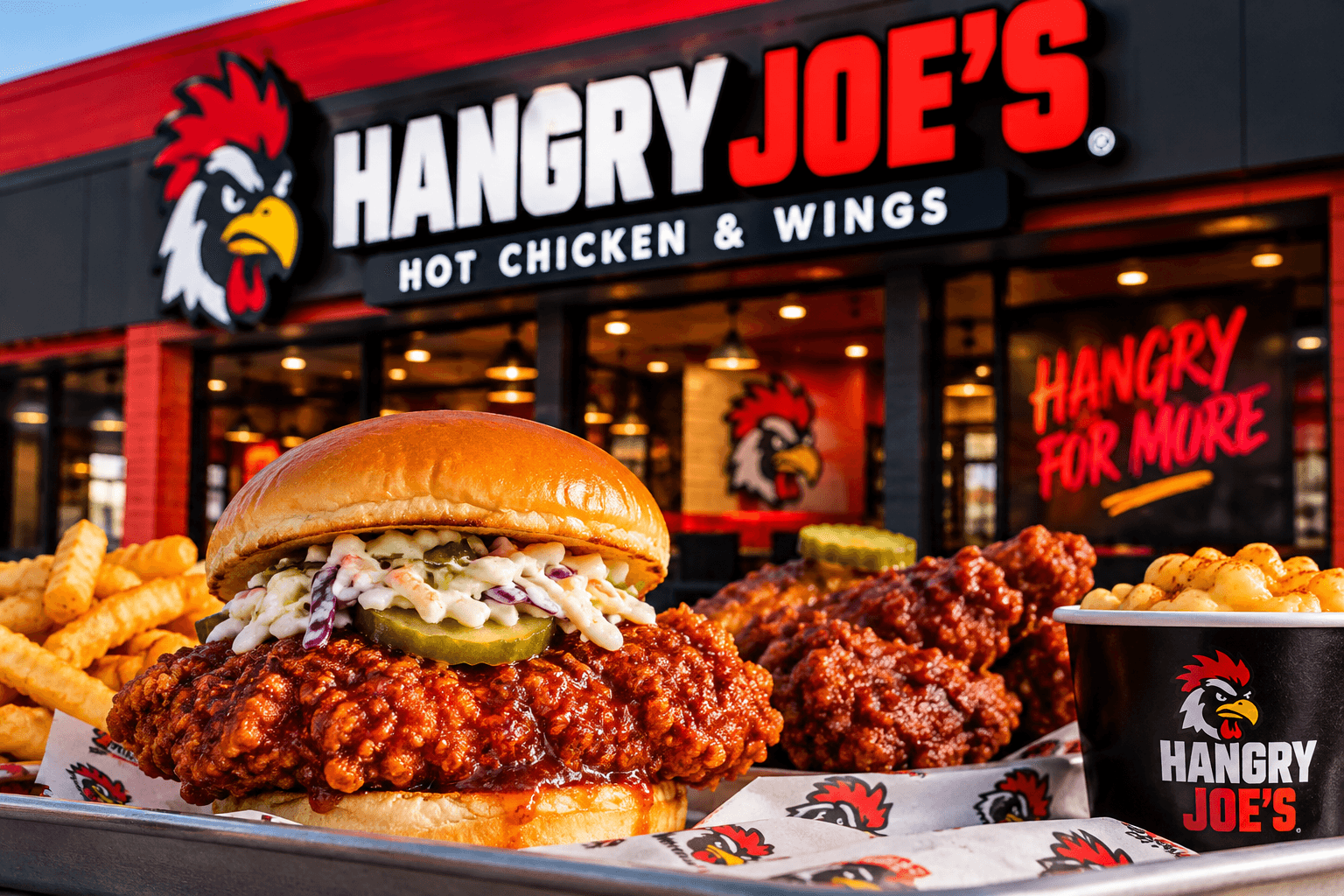
Hangry Joe's promotes insider Brandon Wilhelm to CEO, prioritizing franchisee profitability over rapid unit growth as the chain expands past 90 locations.
Oct 6, 2026
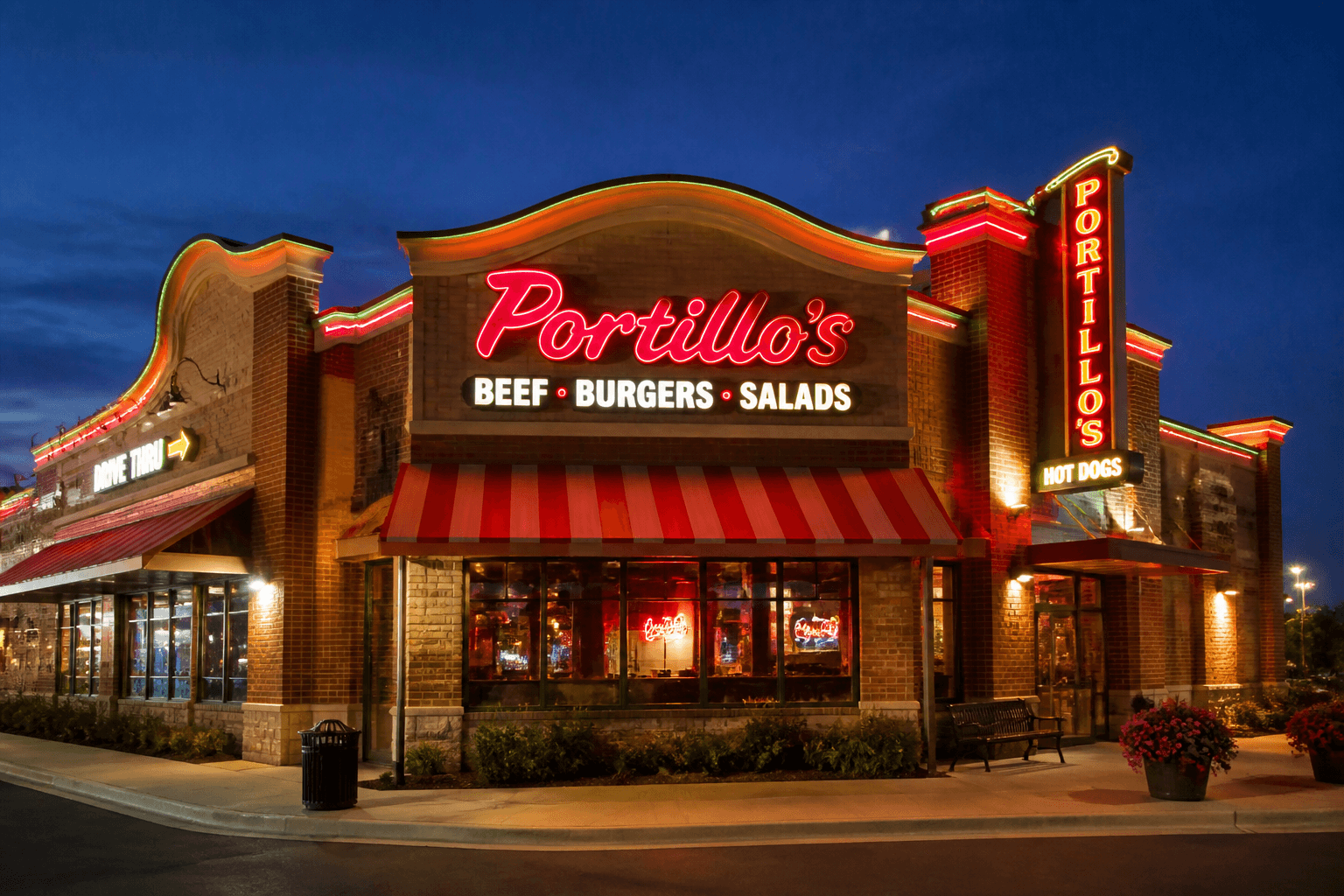
Portillo's chief people officer Jill Waite departs as new CEO Brett Patterson reshapes leadership with layoffs and fresh executive hires.
Oct 6, 2026
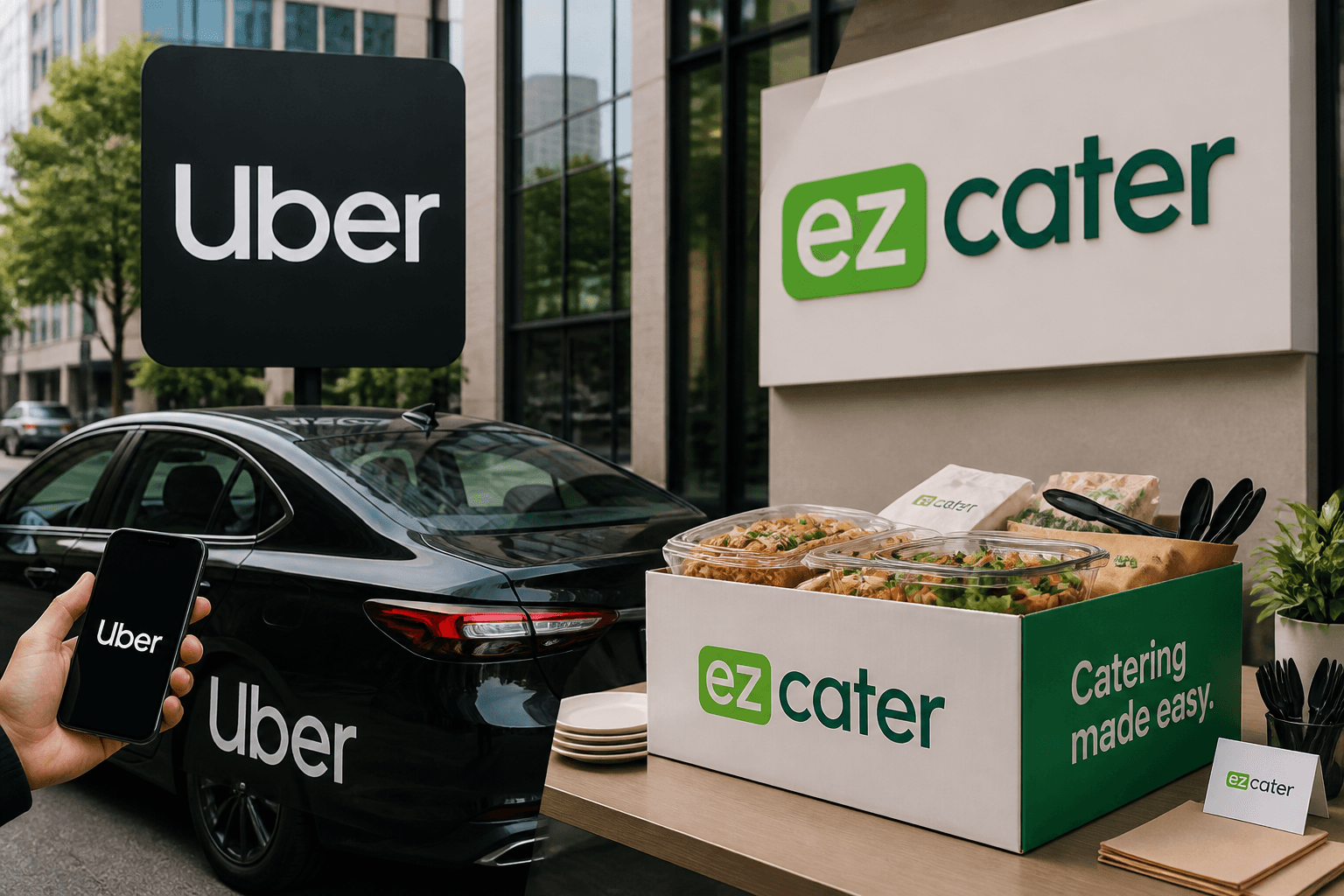
Uber is paying $2.3 billion to acquire ezCater, merging its catering network into Uber Eats and Uber for Business to enter workplace catering.
Oct 6, 2026
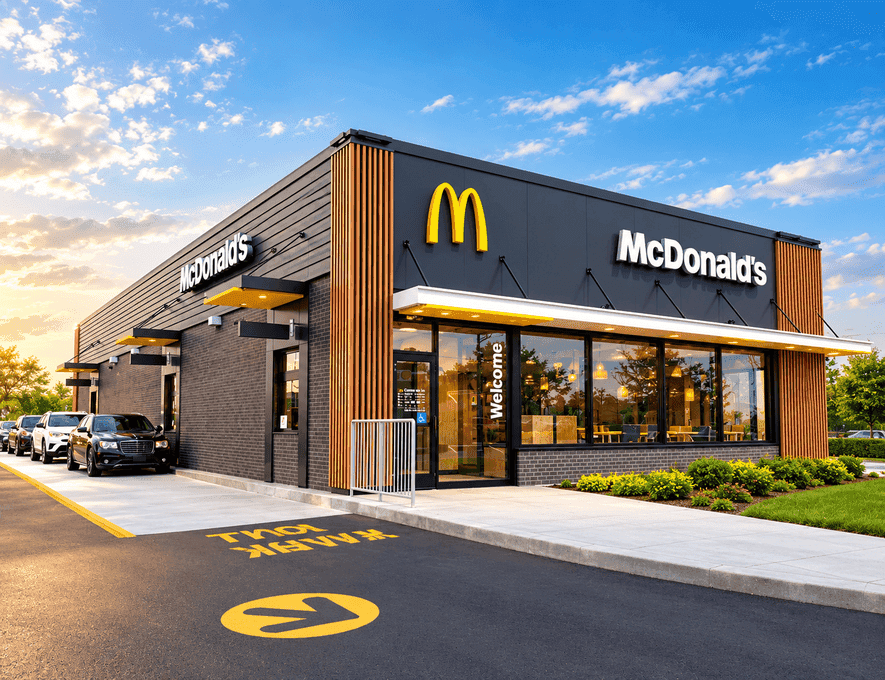
A new lawsuit claims McDonald's pricing tool pressures franchisees into algorithmic price-fixing, raising fresh antitrust questions for the chain.
Oct 6, 2026

True Food Kitchen filed for Chapter 11 bankruptcy, closing 12 locations and shrinking to 34 restaurants across 14 states amid $42.1 million in debt.
Oct 5, 2026

Snooze Eatery names industry veteran Amy Hom as COO, starting Sept. 28, to strengthen hospitality and operations ahead of its next growth phase.
Oct 5, 2026
Opening a second restaurant location requires readiness, clear goals, financial planning, funding, smart strategy, standardized operations, strong teams, and careful launch monitoring for sustainable growth.
Sep 30, 2026
Restaurants can control operating costs by tracking food, labor, rent, utilities, technology, marketing, and other expenses against sales.
Oct 5, 2026
Improve restaurant visibility with local SEO by optimizing Google Business Profile, targeting local keywords, managing reviews, and maintaining accurate online information.
Oct 5, 2026

Unlock Exclusive Access To Webinars, Events, And The Latest News For Free!
Over-ordering is a leading cause of high food costs in restaurants. Learn how to identify this common restaurant inventory mistake and fix it before it drains your profits.
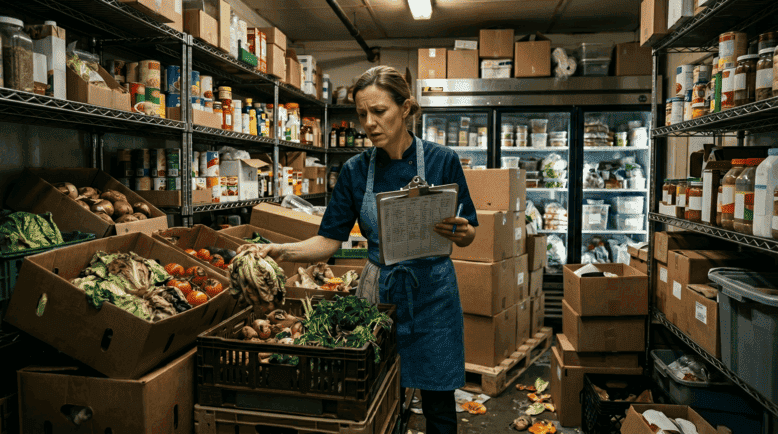
Every week, restaurant operators place orders. And every week, many of them add a little extra to that order, just in case. Just in case it gets busy. Just in case a supplier runs short. Just in case demand spikes unexpectedly. It feels like smart planning. It feels responsible. But for most restaurants, this single habit is quietly draining thousands of dollars every month. Over-ordering is one of the most common restaurant inventory mistakes in the food service industry, and the reason it persists is that it rarely looks like a problem in the moment. The damage only becomes visible later, when product starts expiring, when storage runs out of space, or when the end-of-month food cost numbers come back higher than expected.
The root cause of over-ordering is almost always uncertainty. When operators are not confident in their demand data, they compensate with volume. If you are not sure how much chicken you will sell this week, ordering more feels like the safer choice. The thinking goes- if you have too much, you will use it eventually. If you have too little, you will lose sales. But this logic breaks down fast in a restaurant environment. Unlike a retail product that can sit on a shelf for months, food has a shelf life. That extra case of produce you ordered because it felt safe does not wait patiently for demand to catch up. It wilts, it spoils, and it ends up in the trash. Common reasons restaurants fall into the over-ordering habit include -
The financial impact of over-ordering is easy to underestimate because it does not show up as a single line-item loss. Instead, it spreads across multiple areas of your food cost. You spend more on the initial order, you may spend more on storage or refrigeration, you lose the value of whatever expires, and you carry a higher food cost percentage that squeezes your margins on every dish. When you add this up across a week, a month, and a year, the numbers become significant. A restaurant that routinely over-orders by even 10 to 15 percent of its weekly food spend can find itself wasting thousands of dollars annually on product that never made it to a plate.
Over-ordering often leaves a trail that is easy to recognize once you know what to look for. These are the signals that your restaurant inventory management process needs attention-

The solution to over-ordering is not to swing to the other extreme and order too little. It is to base your purchasing on what your restaurant actually uses, not on what feels comfortable. Start by tracking your real usage data. How much of each item did you use last week? Over the past four weeks? Are there patterns tied to day of the week, season, or specific events? When you have that data, your orders stop being guesses and start being decisions. Build a par level system that reflects actual consumption. A par level is the minimum quantity of each item you need on hand to get through a set period, typically until your next delivery. Ordering to par means you are not ordering more than you need, and you are not running out either. Practical steps to smarter restaurant ordering include-
Over-ordering feels like caution, but it functions like waste. Every unit of food that leaves your kitchen in a trash bag rather than on a plate represents money you already spent and will never recover. It inflates your cost of goods sold, distorts your food cost percentage, and makes it harder to understand what your restaurant actually needs. The restaurants that run lean, profitable operations are not the ones with the most product on hand. They are the ones with the right product on hand, in the right quantities, at the right time. That discipline starts with recognizing that just in case is not a purchasing strategy. It is a costly habit that adds up faster than most operators realize.

