Hardee's Taps Alisa Gmelich as New President
CKE Restaurants names marketing veteran Alisa Gmelich President of Hardee's, tasking her with rebuilding franchisee trust and driving growth.
News
Oct 7, 2026
CKE Restaurants names marketing veteran Alisa Gmelich President of Hardee's, tasking her with rebuilding franchisee trust and driving growth.
Oct 7, 2026

Understand overtime rules for restaurant employees, including eligibility, pay calculations, hours worked, compliance requirements, timekeeping, and overtime management.
Oct 7, 2026

POS data helps restaurant owners control food costs by improving purchasing, reducing waste, optimizing portions, analyzing profitability, and managing inventory.
Oct 7, 2026
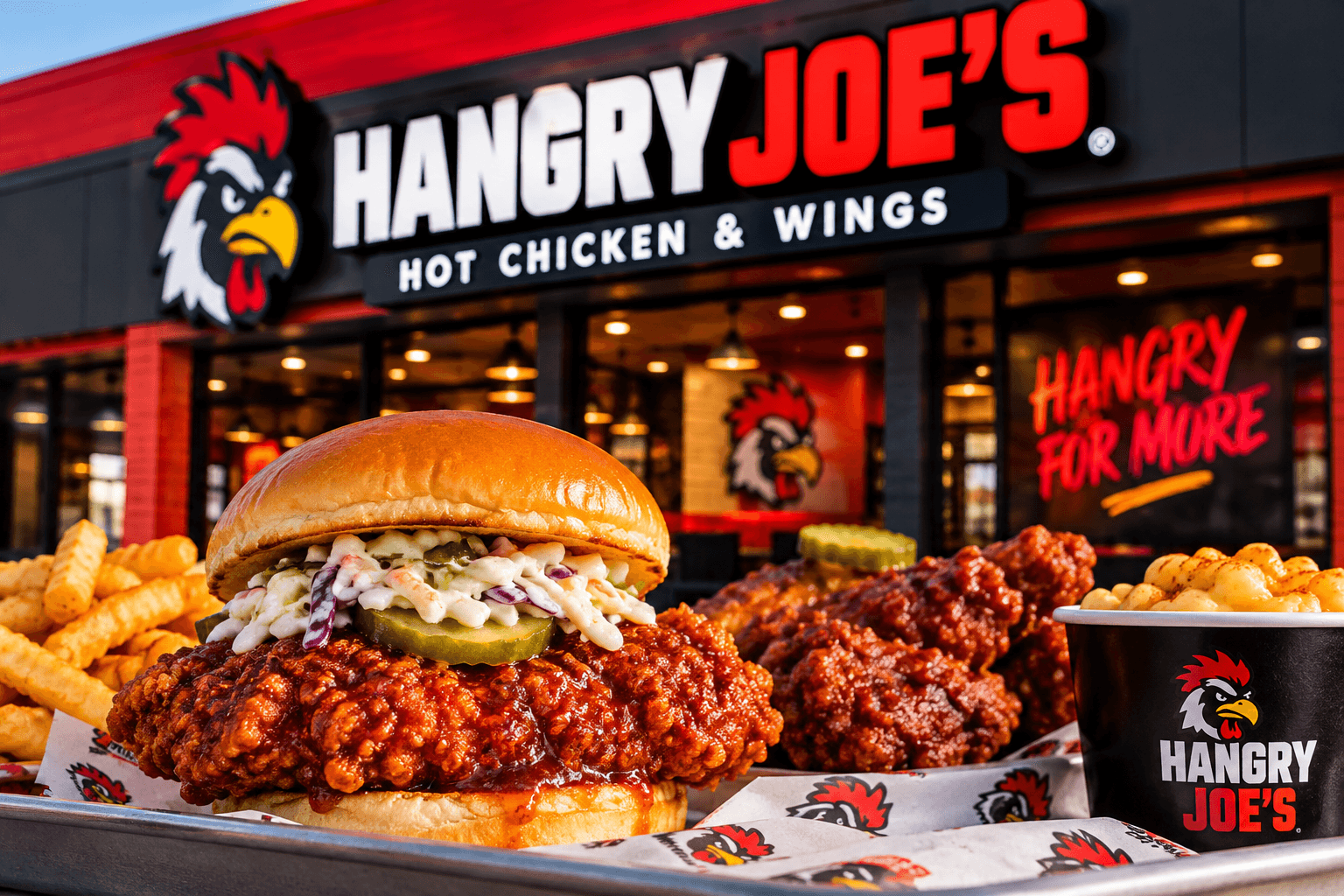
Hangry Joe's promotes insider Brandon Wilhelm to CEO, prioritizing franchisee profitability over rapid unit growth as the chain expands past 90 locations.
Oct 6, 2026

Portillo's chief people officer Jill Waite departs as new CEO Brett Patterson reshapes leadership with layoffs and fresh executive hires.
Oct 6, 2026

Uber is paying $2.3 billion to acquire ezCater, merging its catering network into Uber Eats and Uber for Business to enter workplace catering.
Oct 6, 2026

A new lawsuit claims McDonald's pricing tool pressures franchisees into algorithmic price-fixing, raising fresh antitrust questions for the chain.
Oct 6, 2026

True Food Kitchen filed for Chapter 11 bankruptcy, closing 12 locations and shrinking to 34 restaurants across 14 states amid $42.1 million in debt.
Oct 5, 2026

Snooze Eatery names industry veteran Amy Hom as COO, starting Sept. 28, to strengthen hospitality and operations ahead of its next growth phase.
Oct 5, 2026

Opening a second restaurant location requires readiness, clear goals, financial planning, funding, smart strategy, standardized operations, strong teams, and careful launch monitoring for sustainable growth.
Sep 30, 2026

Unlock Exclusive Access To Webinars, Events, And The Latest News For Free!
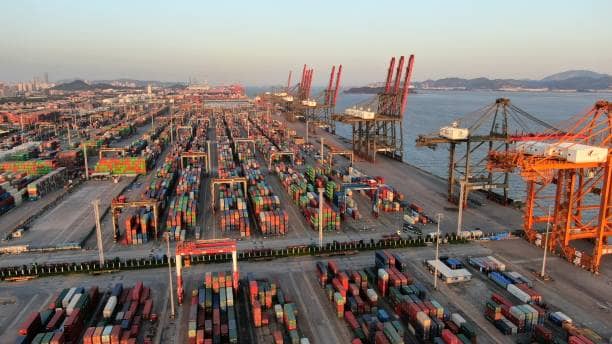
Read about the recent developments in the U.S.-Mexico trade relationship, including the delay of tariffs and new security measures.

The decision to delay tariffs that were to be imposed on Mexico by the United States marks a significant shift in the recent trade relations between the two countries. Mexico's President Claudia Sheinbaum’s announcement of the postponement came after a series of discussions with U.S. President Donald Trump. This delay reflects a commitment to finding mutually beneficial agreements between the nations.
As part of the agreements reached, Mexico has pledged to send 10,000 troops to the U.S.-Mexico border to enhance efforts in combating drug trafficking. In return, the United States has committed to preventing the flow of high-powered weapons into Mexico. These bilateral actions not only address security concerns but also signify a collaborative approach towards shared challenges.
President Sheinbaum emphasized that both countries’ teams would focus on enhancing security and trade aspects of their relationship. The engagement of top officials like Secretary of State Marco Rubio and Secretary of Commerce Howard Lutnick in forthcoming negotiations highlights the seriousness and commitment from both sides in resolving trade disputes and strengthening economic ties.
Mexico's proactive preparation for potential tariffs included efforts to align policies with the United States, particularly on key issues like migration. The country's officials aimed to demonstrate the complementary nature of trade between the nations rather than a competitive one. Mexico had devised contingency plans, one of which involved both tariff and non-tariff actions, indicating a strategic response to any trade challenges.

President Sheinbaum's emphasis on collaboration and mutual trust underscores the importance of working together to combat organized crime and enhance security measures. She highlighted the need for respect for sovereignty, emphasizing that cooperation should not equate to subordination. This stance emphasizes the importance of equal partnership and shared responsibility in addressing common issues.
While the tariffs on Mexico have been postponed, the United States is set to enforce new duties on other countries like Canada and China. This move could impact the global trade landscape, leading to retaliatory measures and potential shifts in trade dynamics among nations. The response from Canada, with retaliatory tariffs on U.S. goods, suggests a complex interplay of trade strategies among nations.