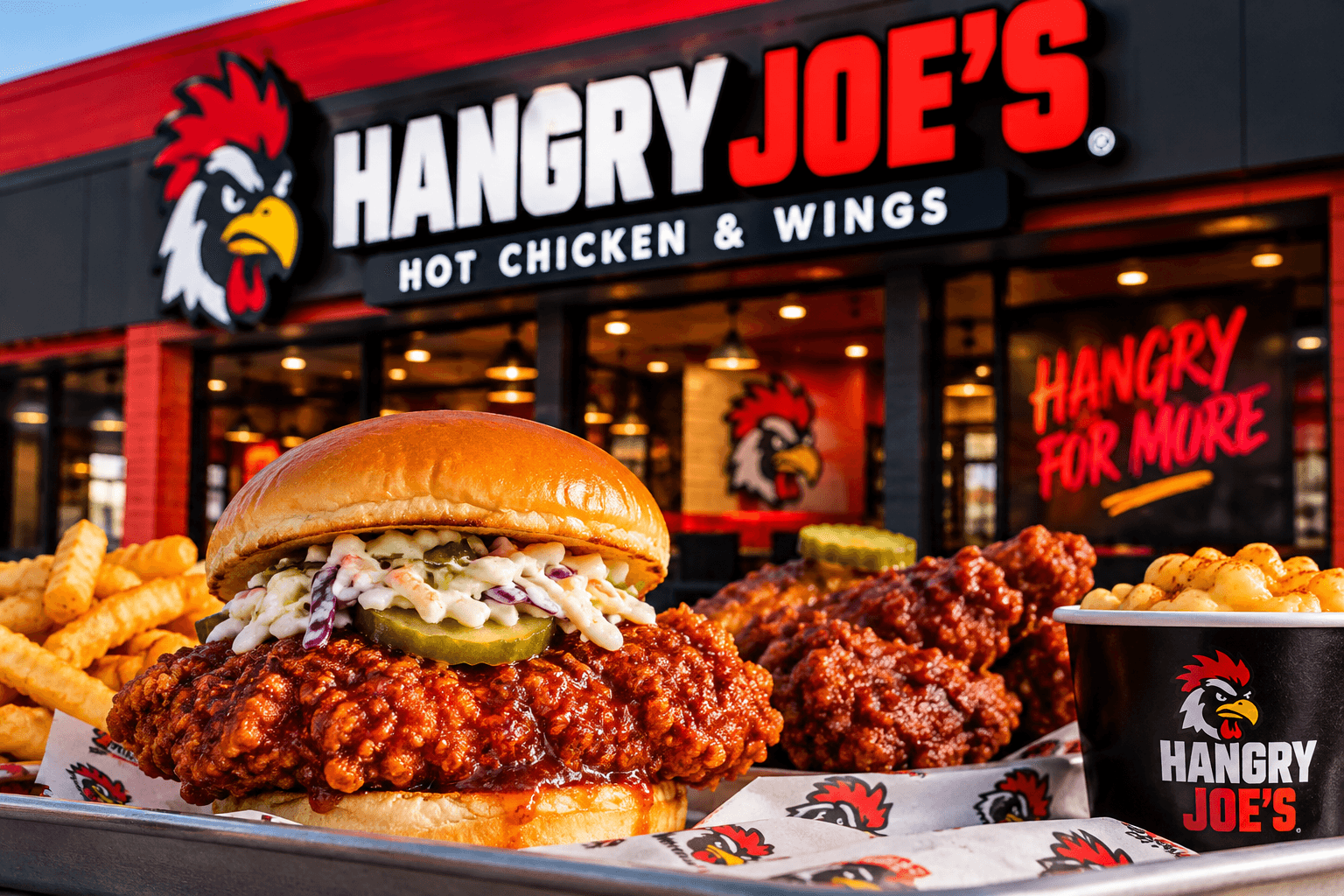
Hangry Joe's Names Brandon Wilhelm as New CEO
Hangry Joe's promotes insider Brandon Wilhelm to CEO, prioritizing franchisee profitability over rapid unit growth as the chain expands past 90 locations.
Franchising
Oct 6, 2026
Hangry Joe's promotes insider Brandon Wilhelm to CEO, prioritizing franchisee profitability over rapid unit growth as the chain expands past 90 locations.
Oct 6, 2026
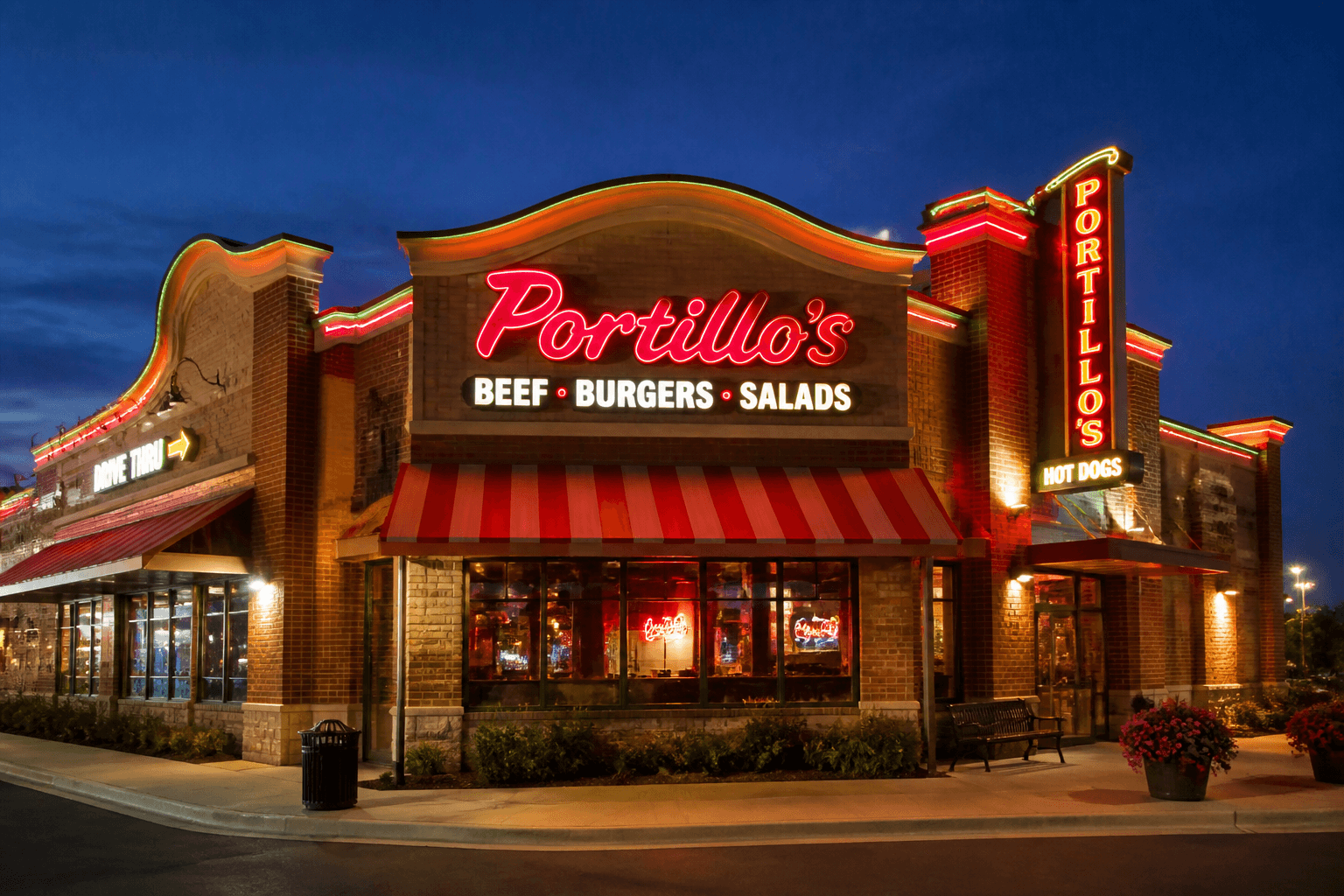
Portillo's chief people officer Jill Waite departs as new CEO Brett Patterson reshapes leadership with layoffs and fresh executive hires.
Oct 6, 2026
Uber is paying $2.3 billion to acquire ezCater, merging its catering network into Uber Eats and Uber for Business to enter workplace catering.
Oct 6, 2026
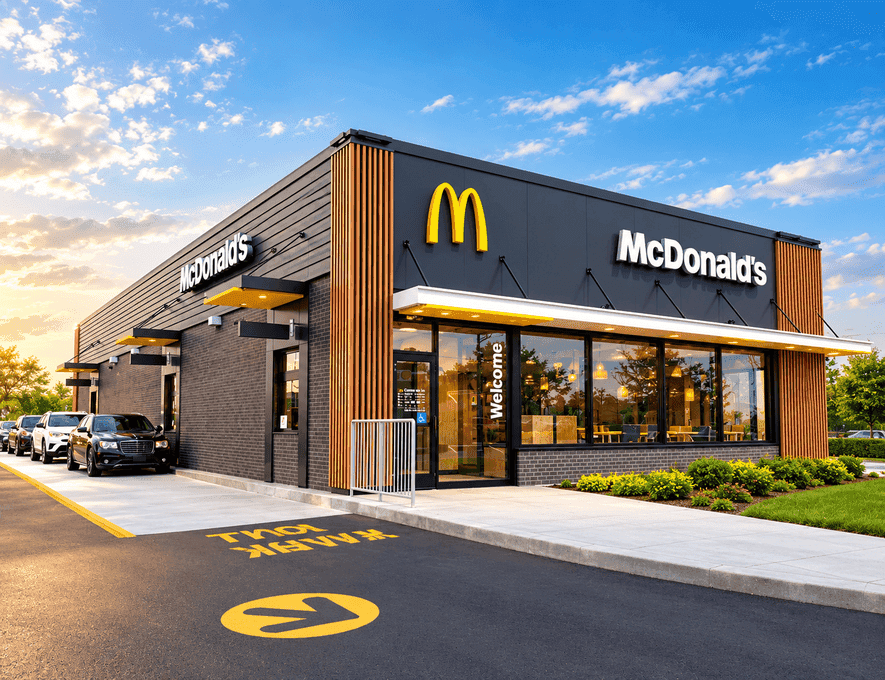
A new lawsuit claims McDonald's pricing tool pressures franchisees into algorithmic price-fixing, raising fresh antitrust questions for the chain.
Oct 6, 2026

True Food Kitchen filed for Chapter 11 bankruptcy, closing 12 locations and shrinking to 34 restaurants across 14 states amid $42.1 million in debt.
Oct 5, 2026

Snooze Eatery names industry veteran Amy Hom as COO, starting Sept. 28, to strengthen hospitality and operations ahead of its next growth phase.
Oct 5, 2026
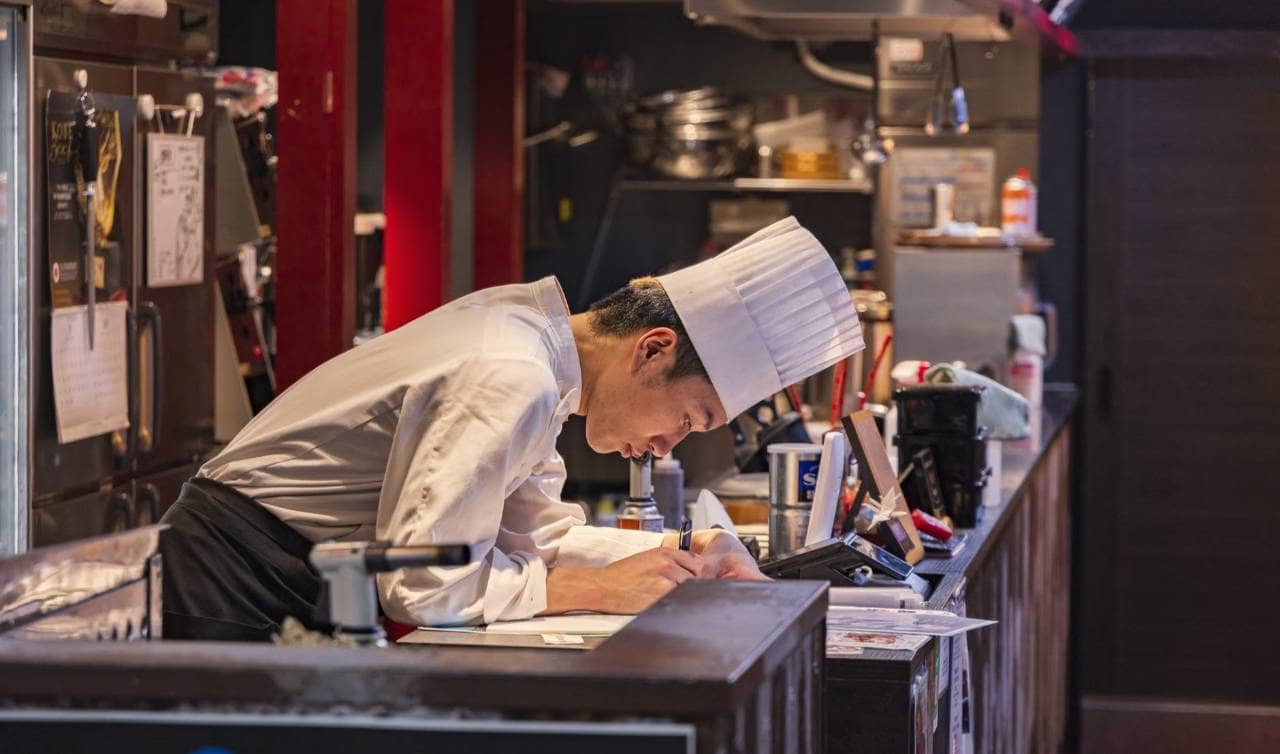
Restaurants can control operating costs by tracking food, labor, rent, utilities, technology, marketing, and other expenses against sales.
Oct 5, 2026

Opening a second restaurant location requires readiness, clear goals, financial planning, funding, smart strategy, standardized operations, strong teams, and careful launch monitoring for sustainable growth.
Sep 30, 2026

Improve restaurant visibility with local SEO by optimizing Google Business Profile, targeting local keywords, managing reviews, and maintaining accurate online information.
Oct 5, 2026

Evaluate restaurant industry performance in Q3 2026 through key trends affecting restaurant sales, traffic, consumer spending, labor, costs, and technology.
Oct 2, 2026

Unlock Exclusive Access To Webinars, Events, And The Latest News For Free!
Explore the journey of On the Border restaurant chain from its growth in the 1990s to its recent bankruptcy filing, revealing the challenges faced in the competitive restaurant industry.
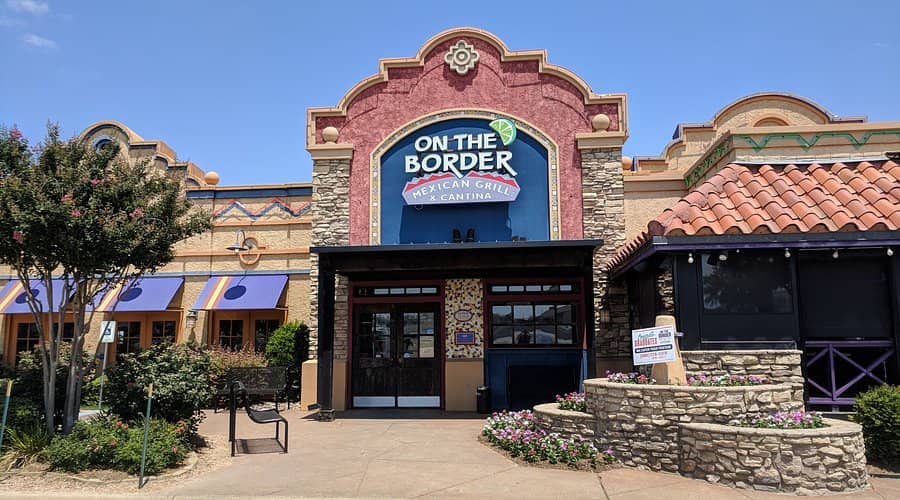
On the Border, a renowned Mexican food chain, embarked on its journey in 1982 in Dallas, Texas. With a menu featuring mesquite-grilled fajitas, margaritas, and endless chips and salsa, the restaurant quickly gained popularity. Expanding both domestically and internationally, the chain caught the attention of Brinker International, which acquired On the Border in 1994. By 2001, the brand boasted 100 locations in the US and later ventured into the South Korean market in 2007 through franchising partnerships.
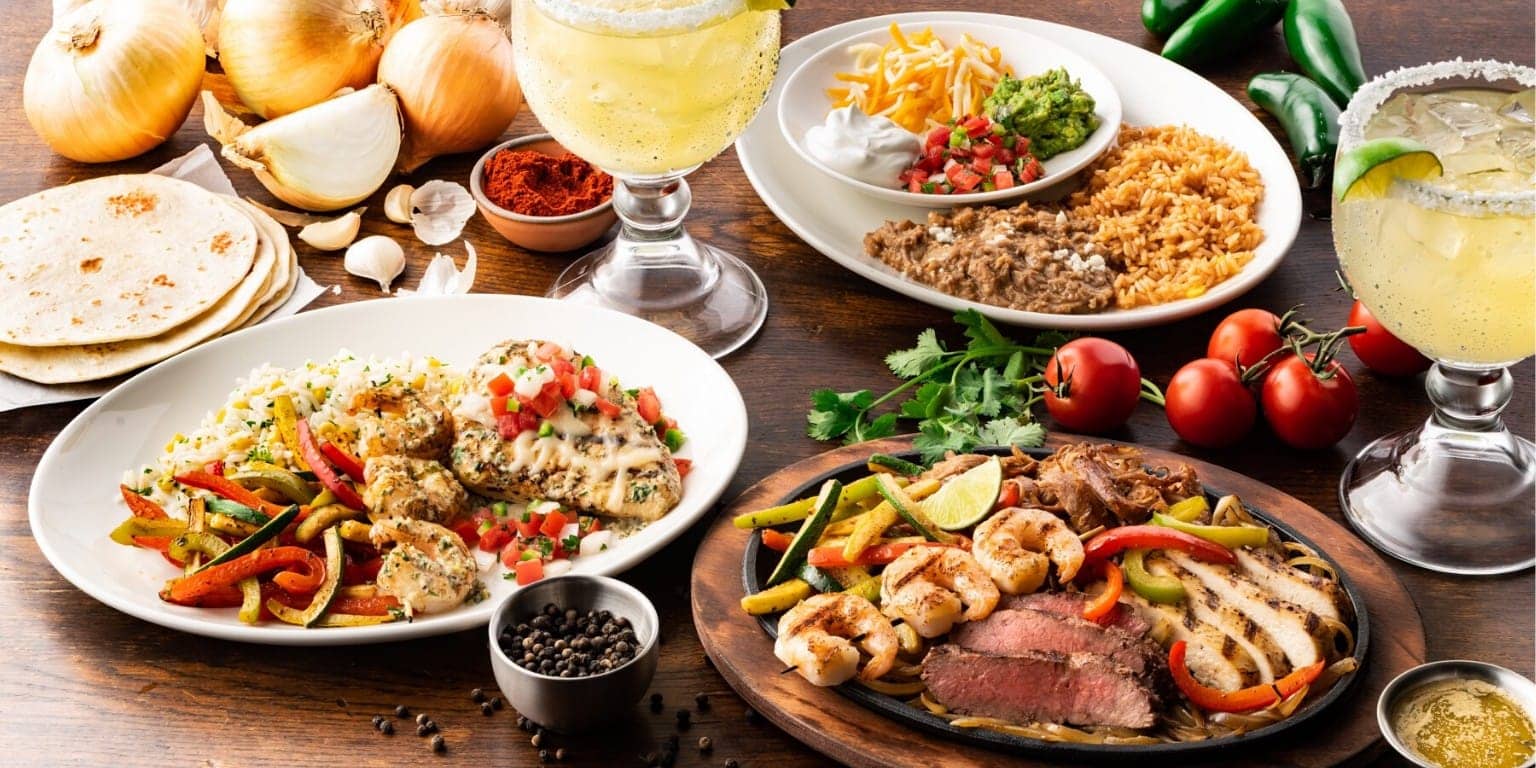
The trajectory of On the Border took a turn in 2010 when Brinker International sold the 160-unit chain to Golden Gate Capital. Subsequent ownership transfers in 2014 to Border Holdings, linked to Argonne Capital Group, marked another chapter in the brand's history. In the midst of these transitions, Utz's acquisition of the rights to manufacture chips and dips under the On the Border brand in 2020 added another layer to the company's operations.
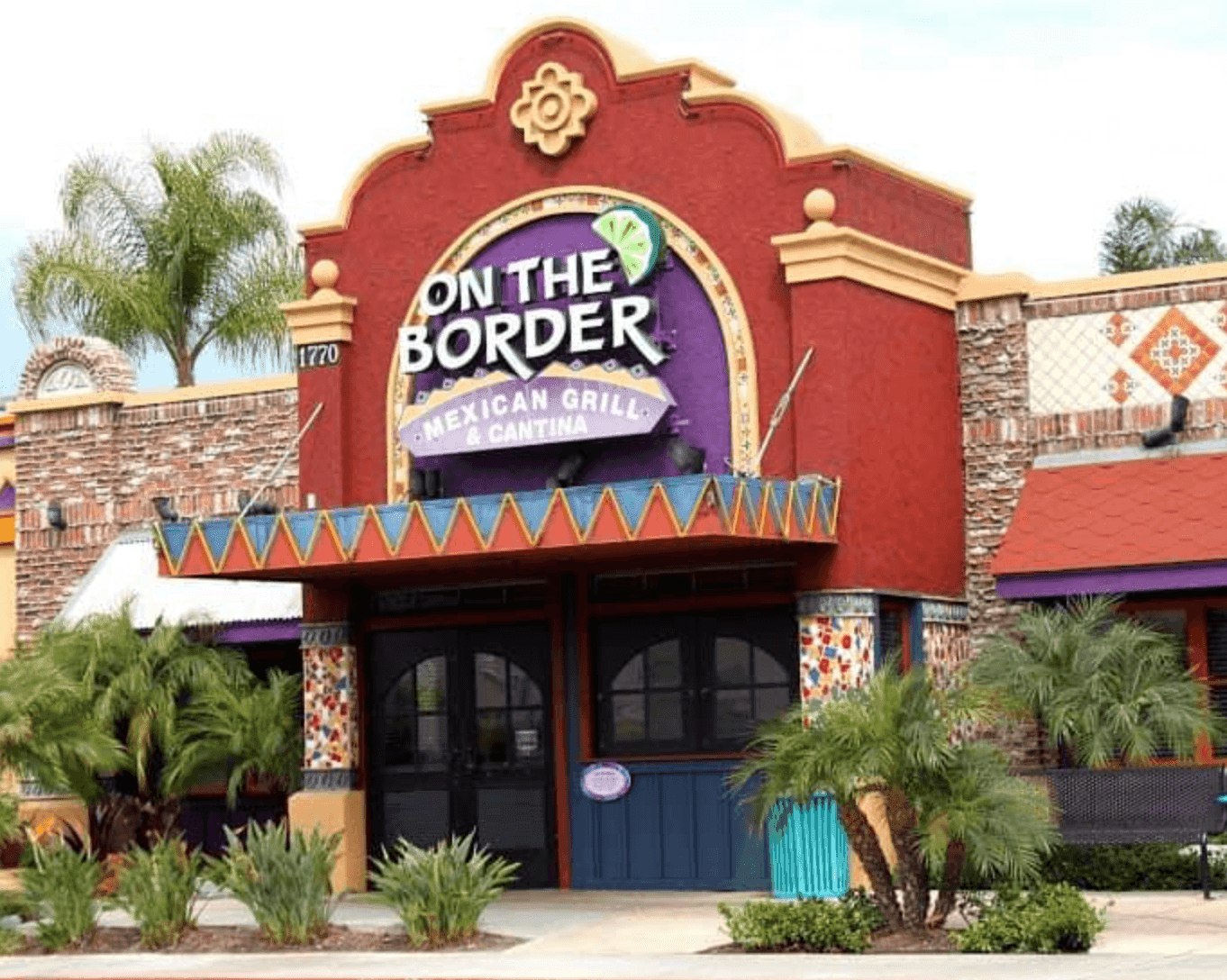
Despite its early success, On the Border faced challenges associated with macroeconomic factors impacting the restaurant industry. Rising menu prices outpacing grocery costs led to a decline in consumer dining out habits. Moreover, wage increases outstripping the company's ability to adjust prices added further strain on profit margins. Issues with workforce recruitment and retention further hampered operational efficiency, culminating in the closure of 40 underperforming locations in February 2021.

The financial strain on On the Border became evident with over $25 million spent on leases, with a significant portion allocated to underperforming locations. As the company grappled with liquidity challenges, it resorted to delaying vendor and rent payments to manage cash flow. This dire situation led to landlords and vendors taking drastic measures, including store closures and repossessions, exacerbating the operational hurdles. Consequently, the chain had to file for Chapter 11 bankruptcy to navigate its financial turmoil.
Looking ahead, On the Border aims to navigate its bankruptcy proceedings with the support of CrossFirst, its expected debtor-in-possession lender. By initiating a stalking horse asset purchase agreement and inviting competitive bids through a robust marketing process, the company seeks a path to financial recovery. As bidding procedures are set to commence in early April, the future of On the Border hinges on strategic restructuring and alignment with evolving market demands.